
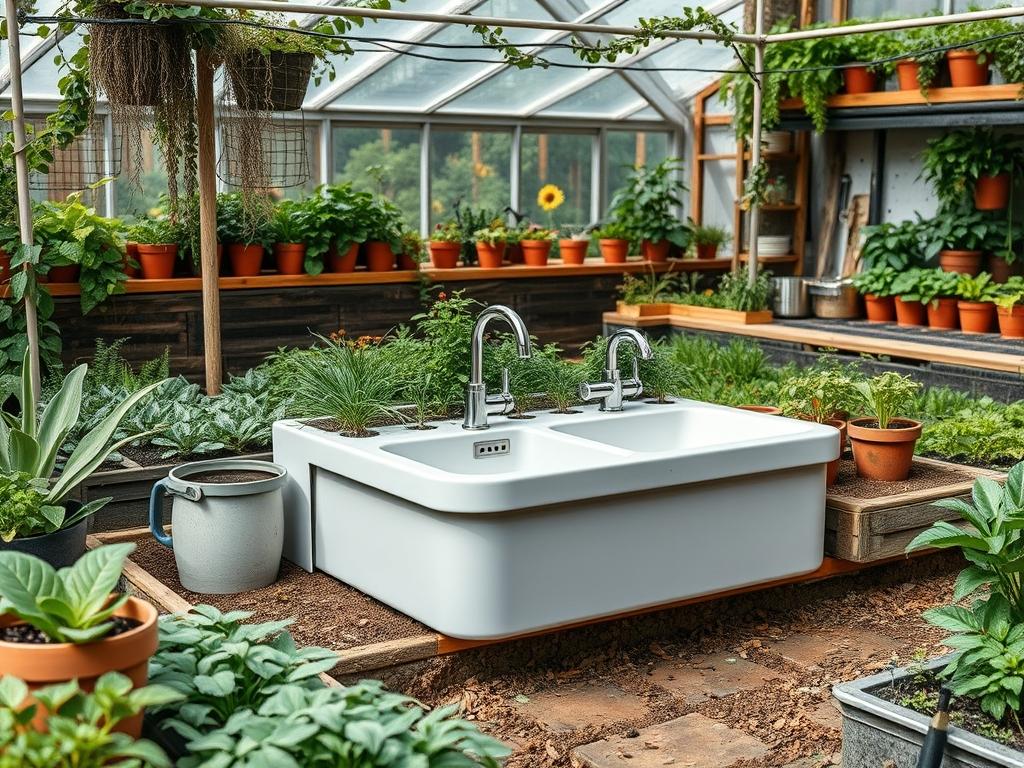
Integrating a professional-grade workstation into a residential landscape requires more than just a plumbing connection. It demands a sophisticated understanding of spatial flow, material resilience, and site engineering. As the boundary between interior and exterior living continues to blur, the demand for high-function backyard outdoor sinks has transitioned from a luxury addition to an essential component of the modern outdoor kitchen. These installations serve as the primary utility hub for rinsing harvested vegetables, prepping grilled meals, or maintaining a sanitary environment during social gatherings. However, a poorly planned sink can quickly become a drainage nightmare or a visual eyesore that disrupts the harmony of the garden. To achieve a successful integration, the architect must weigh the practicalities of water supply and waste management against the aesthetic goals of the property owner. Proper placement considers not only the proximity to the main house but also the prevailing wind patterns, solar orientation, and the existing topography of the yard.
High-functionality in a landscape context means the sink must withstand the rigors of the local climate while contributing to the overall curb appeal. In colder regions, this necessitates a design that allows for easy winterization and protection against freeze-thaw cycles. In humid or coastal areas, material selection becomes the priority to prevent corrosion and fungal growth. When we approach an outdoor sink project from a consulting perspective, we look at the site as a series of interconnected systems. The water line is not just a pipe; it is a branch of the home’s primary irrigation and utility grid. The drainage is not just a hole in the ground; it is a critical component of the property’s sub-surface management. By prioritizing these engineering requirements during the initial conceptual phase, we ensure that the final product is as durable as it is beautiful.
Landscape Design Principles
Successful integration of backyard outdoor sinks begins with the principle of symmetry and visual balance. A sink should never feel like an afterthought perched on the edge of a patio. Instead, treat it as a focal point or a functional “node” within the larger garden map. We often utilize the rule of thirds to place the sink station in a location that feels naturally accessible but tucked away from the main traffic lanes. Elevation layers play a crucial role here. By mounting the sink into a tiered stone counter that matches the height of existing retaining walls, the structure feels grounded and permanent. We recommend a standard counter height of 36 inches for ergonomic comfort, often paired with a 42-inch high bar tier to hide prep clutter from guests seated nearby.
Irrigation planning must happen concurrently with the sink placement. If the sink is located near a heavy-use planting bed, consider a greywater diversion system that allows non-toxic rinse water to hydrate ornamental species. This requires a professional assessment of local building codes to ensure compliance. Walkways leading to the sink should be constructed from non-slip materials like textured flagstone or brushed concrete. These paths should be at least 36 inches wide to allow for easy transport of large trays and cleaning supplies. To enhance the sense of place, we often frame the sink area with vertical elements like a wooden pergola or a tall evergreen hedge. This creates a “room” effect that defines the utility zone as a distinct destination within the backyard.
Plant and Material Selection
The materials surrounding a sink must handle constant moisture exposure. We prefer 304-grade stainless steel or natural granite for the basin and countertops due to their non-porous nature and resistance to UV degradation. For the surrounding vegetation, choose species that can handle the occasional splash or the higher humidity found near water sources.
| Plant Type | Sun Exposure | Soil Needs | Water Demand | Growth Speed | Maintenance Level |
| :— | :— | :— | :— | :— | :— |
| English Lavender | Full Sun | Well-Drained | Low | Moderate | Low |
| Japanese Forest Grass | Part Shade | Rich/Moist | Medium | Slow | Low |
| Rosemary | Full Sun | Sandy/Dry | Low | Fast | Moderate |
| Dwarf Boxwood | Full/Part Sun | Loamy | Medium | Slow | Moderate |
| Sweet Woodruff | Shade | Moist/Organic | Medium | Moderate | Low |
| Creeping Thyme | Full Sun | Poor/Gritty | Low | Fast | Low |
Implementation Strategy
The process begins with precise grading. The ground beneath and around the sink station must be sloped at a minimum of 2 percent away from the home’s foundation to prevent pooling. Designers should use a transit level to verify these slopes before any hardscaping begins. Once the grade is established, the plumbing trenches are excavated to a depth below the local frost line, typically between 12 inches and 36 inches depending on the region. We suggest using Pex-B piping for the supply lines because of its flexibility and resistance to bursting in cold temperatures.
For the base, a 4-inch layer of compacted crushed stone provides a stable foundation for the cabinetry or masonry. If you are building a custom stone surround, ensure that the edging is crisp and the mortar joints are sealed with a high-quality water repellent. Mulching around the perimeter of the sink station is also essential. A 3-inch layer of hardwood mulch or decorative river rock helps stabilize soil temperature and prevents mud from splashing onto the clean surfaces of the sink during rainstorms. Finally, the drainage system should be connected either to the home’s main sewer line or a dedicated French drain filled with 1-inch diameter clean gravel, provided that local regulations allow for such greywater discharge.
Common Landscaping Failures
The most frequent mistake in backyard sink installation is inadequate drainage engineering. Many homeowners assume the small amount of water used in a sink can simply disappear into the soil. Over time, this leads to soil saturation, anaerobic conditions, and a foul-smelling “mud hole” that attracts pests. Always install a proper P-trap and ensure the discharge point is at least 10 feet away from the sink structure to prevent erosion. Another common failure is root overcrowding. Planting a thirsty tree like a Willow or Red Maple too close to the plumbing lines is a recipe for disaster. These aggressive root systems will eventually infiltrate the pipes in search of moisture, leading to costly repairs.
Soil compaction is another silent killer of both plants and infrastructure. During the construction of the sink station, heavy foot traffic and equipment can crush the soil structure, preventing water from infiltrating the ground. This results in runoff that can undermine the stability of the sink’s foundation. To avoid this, use plywood sheets to distribute weight during installation and aerate the soil once the project is complete. Lastly, many designers fail to account for the “splash zone.” Using porous materials like soft limestone or untreated wood near the faucet will lead to staining and rot within just a few seasons.
Seasonal Maintenance
Spring is the season for reactivation and inspection. Begin by flushing the lines to remove any sediment that settled during the winter. Check all brass valves and O-rings for cracks. It is also the best time to apply a new coat of stone sealer to any natural rock surfaces. During the summer, maintain the area by keeping the drain screen clear of leaves and organic debris. If you have an integrated compost bin near the sink, empty it frequently to prevent odors during high-heat periods.
Autumn requires a transition toward protection. As leaves fall, ensure the gutters above the sink station are clear to prevent overflow onto the counters. Prune back any nearby shrubs like Hydrangea or Spirea to maintain a 12-inch clearance around the plumbing access panels. Winter maintenance is the most critical for longevity. In cold climates, the water must be shut off at the interior source and the exterior lines must be blown out with compressed air. Cover the faucet with an insulated foam jacket and place a fitted waterproof cover over the entire workstation to prevent ice from expanding in the basin or joints.
Professional Landscaping FAQ
Can I drain my outdoor sink directly into my garden?
This depends on local codes and what you wash. If you use biodegradable soap and only rinse vegetables, many jurisdictions allow greywater discharge into a French drain. However, food solids and grease must never enter the garden soil directly.
What is the best material for an outdoor sink countertop?
Granite and engineered quartz are top choices for their durability and low porosity. Unlike marble, they resist staining from acidic foods. Stainless steel is also excellent for a modern, industrial look that is entirely weatherproof and easy to sanitize.
How do I prevent my outdoor pipes from freezing?
Install a shut-off valve inside the house and a bleeder valve at the lowest point of the exterior line. Every autumn, close the indoor valve and open the exterior faucet to drain all remaining water before the first hard frost.
Do I need an architect to design a backyard sink station?
For simple hose-fed sinks, a contractor is usually sufficient. However, for a permanent, hard-plumbed station integrated into a masonry island, a landscape architect ensures the structural integrity, proper drainage, and aesthetic harmony with the rest of your property.
What lighting is best for a sink prep area?
Focus on task lighting. LED strip lights tucked under the counter overhang or a downward-facing sconce provide visibility without creating glare. Ensure all fixtures are UL-rated for wet locations and connected to a GFCI-protected circuit for safety.