
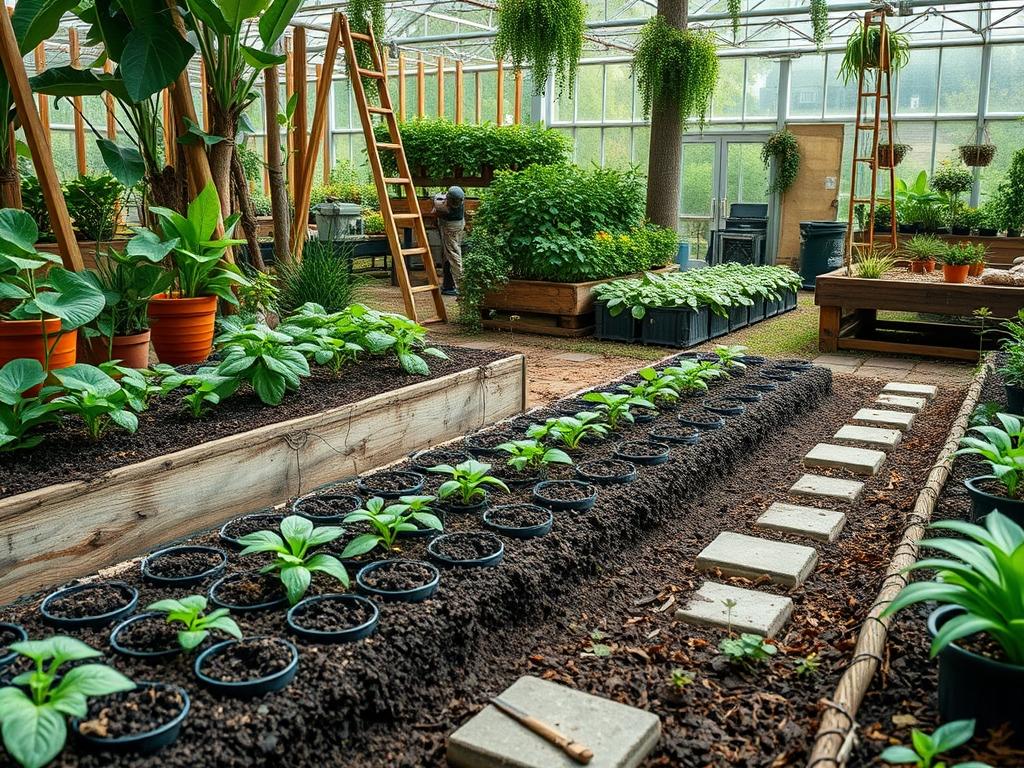
Selecting the right ground cover is a pivotal decision that impacts both the aesthetic integrity and the functional safety of a residential landscape. For many homeowners, the choice between traditional organic materials and synthetic alternatives like rubber mulch represents a crossroads of maintenance philosophy and risk management. While wood chips often appeal to those seeking a natural, forest floor aesthetic, the modern outdoor environment frequently demands higher performance in terms of durability and impact absorption. Backyard rubber mulch safety has become a central topic of discussion in contemporary landscape architecture, particularly as families seek to balance the visual appeal of their flower beds with the practical requirements of children’s play areas. Climate plays a significant role here. In arid regions, wood mulch can become a fire hazard or desiccate rapidly, whereas in humid climates, it may host fungus or attract wood-boring insects. Rubber mulch, typically derived from recycled styrene-butadiene rubber, offers a solution that resists decay and stays in place during heavy rain. However, the decision to implement this material requires a nuanced understanding of its thermal properties, chemical composition, and long term interaction with the local ecosystem.
Landscape Design Principles
Effective landscape design relies on the intentional orchestration of symmetry, focal points, and elevation layers to guide the eye and create a sense of order. When integrating rubber mulch into a design, one must consider its visual weight. Because it does not break down, it provides a permanent color saturation that can serve as a powerful anchor for a garden. Symmetry is often achieved by mirroring mulch type and border treatments across a central axis, such as a walkway or a large fountain. Creating focal points involves using high-contrast materials; for instance, a deep charcoal rubber mulch can make the vibrant greens of a Japanese Maple pop significantly more than a fading brown cedar chips.
Elevation layers are equally critical in a professional layout. Using retaining walls or raised beds allows the landscape architect to define specific zones for different activities. In a multi-level garden, rubber mulch is best utilized in transition zones or beneath play equipment where its superior shock absorption provides a documented safety advantage over grass or gravel. Visual balance is maintained by ensuring that the texture of the mulch complements the surrounding hardscaping. If your patio consists of smooth pavers, a smaller nugget size of mulch helps maintain a refined look. Conversely, larger shreds might be appropriate in a more rugged, naturalized perimeter. Irrigation planning must be integrated early because rubber is non-porous. Unlike wood, it will not absorb water, meaning that every gallon of water delivered by a drip irrigation system reaches the soil beneath, improving water efficiency but requiring precise grading to prevent runoff.
Plant and Material Selection
Choosing the right flora to coexist with synthetic mulch is essential for long-term garden health. Since rubber does not provide nutrients to the soil, the selected plants must rely entirely on the existing soil quality and supplemental fertilization.
| Plant Type | Sun Exposure | Soil Needs | Water Demand | Growth Speed | Maintenance Level |
| :— | :— | :— | :— | :— | :— |
| Boxwood Bush | Full Sun to Part Shade | Well-drained, Loamy | Moderate | Slow | Medium |
| Daylily | Full Sun | Adaptable | Low | Fast | Low |
| Hostas | Full Shade to Part Shade | Rich, Moist | Moderate | Medium | Low |
| Lavender | Full Sun | Gritty, Alkaline | Very Low | Medium | Medium |
| Ornamental Grass | Full Sun | Sandy to Loamy | Low | Fast | Low |
| Coneflower | Full Sun | Well-drained | Low | Medium | Low |
Implementation Strategy
A successful backyard renovation begins with thorough site preparation. The first step involves grading the soil to a 2 percent slope away from any permanent structures. This ensures that water does not pool under the mulch, which could lead to subsoil compaction or foundation issues. Once the grade is established, an edging material, such as galvanized steel or heavy-duty plastic, should be installed to create a crisp boundary between the mulch and the lawn.
Before laying the mulch, a professional-grade geotextile fabric or landscape fabric must be pinned to the ground using landscape staples. This barrier is vital for two reasons: it prevents the rubber from sinking into the dirt over time and it suppresses weed growth. When applying the material, aim for a mulch depth of 3 inches for standard garden beds. For dedicated playground areas, this depth should be increased to at least 6 inches to meet federal safety guidelines for fall protection. Use a steel rake to level the surface, ensuring even distribution around the base of plants. Care should be taken to leave a 2-inch gap between the mulch and the trunks of trees or stems of shrubs to prevent heat stress and allow for proper air circulation at the root flare.
Common Landscaping Failures
One of the most frequent mistakes in residential projects is inadequate drainage planning. Because rubber mulch is non-absorbent, it can act as a canopy that directs water into concentrated streams during heavy storms. Without proper french drains or catch basins, this can lead to erosion at the edges of the mulched area. Another common error is root overcrowding. Homeowners often plant too closely together, not accounting for the mature spread of the species. When combined with the heat-retention properties of rubber, overcrowded plants may suffer from scorched roots or decreased turgor pressure.
Soil compaction is another silent failure point. If the ground is not properly aerated before the landscape fabric and mulch are applied, the soil can become anaerobic, killing the beneficial microbes necessary for plant health. Furthermore, many people ignore the reality of heavy metal leaching. While high-quality, modern rubber mulch is stripped of steel wires and pollutants, cheaper varieties may contain trace amounts of zinc or other elements that can accumulate in the soil over a decade. Finally, irrigation inefficiencies occur when homeowners use overhead sprinklers on rubber mulch. The water often bounces off the synthetic nuggets rather than seeping down, leading to wasted water and thirsty plants. A dedicated subsurface drip line is the professional solution to this problem.
Seasonal Maintenance
Maintaining a landscape with rubber mulch requires a different cadence than a traditional garden. In the Spring, the focus is on debris removal. Use a leaf blower on a low setting or a soft-bristle broom to clear organic matter like fallen leaves or twigs that have accumulated over the winter. If left to rot, this debris will turn into a thin layer of compost on top of the rubber, which provides a foothold for weed seeds.
During the Summer, the primary concern is heat management. On days where temperatures exceed 90 degrees Fahrenheit, rubber can become quite hot to the touch. It is wise to hydrate the surrounding plants in the early morning to keep the soil temperature stable. In the Autumn, as deciduous trees drop their foliage, consistent cleaning is required to maintain the safety ratings of the material. If the mulch becomes mixed with too much organic “fines,” its impact-absorbing qualities decrease. In the Winter, rubber mulch excels because it does not freeze or shatter. However, it can shift during heavy snow removal. If you must shovel near a mulched edge, use a plastic shovel to avoid tearing the landscape fabric or displacing large amounts of the material.
Professional Landscaping FAQ
Is rubber mulch safe for vegetable gardens?
It is generally not recommended for edible crops. Potential chemical leaching and the lack of organic decomposition mean that traditional compost or straw is a much healthier choice for plants intended for human consumption.
Does rubber mulch attract pests like termites?
No, one of the primary benefits is that it does not serve as a food source for insects. Termites, carpenter ants, and roaches are far less likely to congregate in rubber compared to decaying wood chips.
How often does rubber mulch need to be replaced?
High-quality rubber mulch can last for 10 to 20 years. Unlike wood, it does not decompose, though it may experience slight color fading over a decade of intense UV exposure.
Can I use a leaf blower on rubber mulch?
Yes, but you must be careful. Use a low power setting and aim the air at an angle. This allows you to lift light leaves and pine needles without displacing the heavier rubber nuggets.
Is the smell of rubber mulch permanent?
The “new tire” odor is usually only noticeable during the first few weeks after installation, especially on hot days. After a few heavy rains and several weeks of venting, the scent typically dissipates completely.