
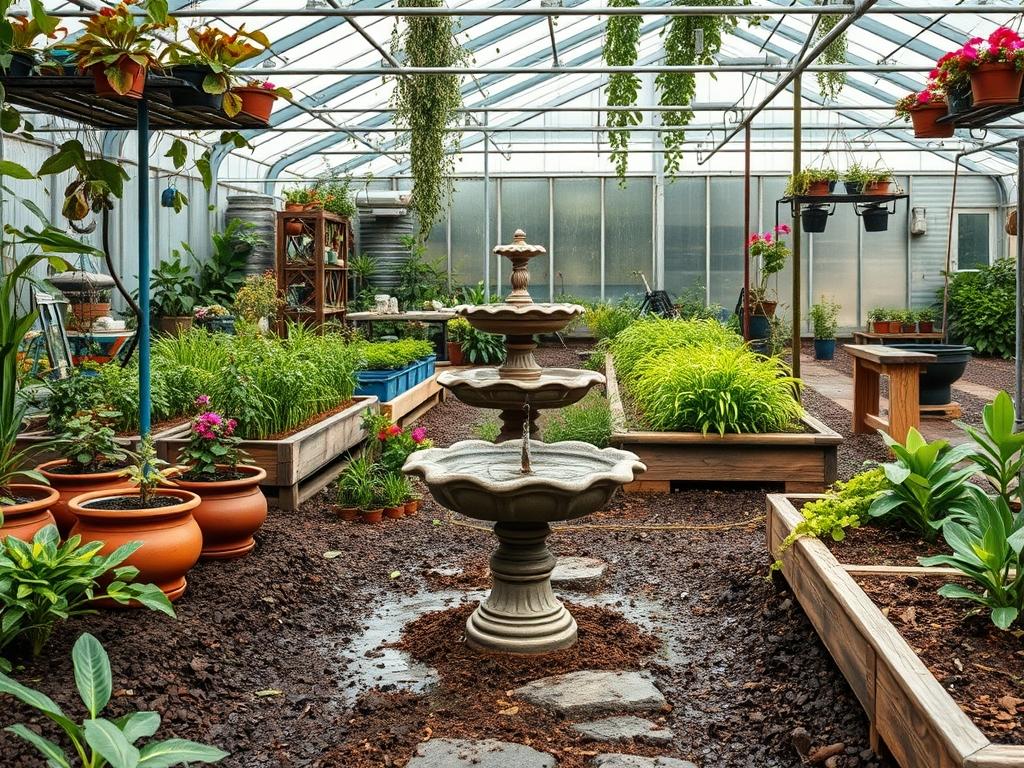
Designing a cohesive outdoor environment requires a delicate balance between aesthetic ambition and ecological responsibility. When property owners integrate Backyard Bird Bath Fountains into their landscape, they are not merely adding a decorative object; they are introducing a dynamic hydrological element that influences the microclimate and local biodiversity. The primary challenge in modern landscaping is to move beyond static greenery and create a multi-sensory experience that provides year-round interest. A well-placed water feature serves as a functional anchor, drawing the eye toward a central focal point while masks ambient noise through the rhythmic sound of falling water. Climate considerations play a pivotal role in this selection process. For instance, in arid regions, a fountain must be designed to minimize evaporation; conversely, in humid climates, the movement of water prevents stagnation and insect breeding. The ultimate goal is to enhance curb appeal by layering textures, sounds, and colors in a way that feels intentional rather than accidental.
Landscape Design Principles
Successful landscape architecture relies on the intelligent application of visual weight and spatial hierarchy. When positioning Backyard Bird Bath Fountains, the principle of symmetry often dictates a formal appearance, where the water feature is centered within a circular Stone Walkway or at the end of a long visual axis. However, asymmetrical designs often provide a more organic, modern feel. In these cases, the fountain acts as a counterbalance to a large Specimen Tree or a dense cluster of Native Grasses. Visual balance is achieved by considering the elevation layers of the garden. A low-profile basin might get lost in a sprawling lawn; therefore, elevating the fountain on a Pedestal or a slightly raised Stone Plinth ensures it remains a visible focal point from both the patio and the interior windows of the home.
Irrigation planning must be integrated into the initial design phase rather than added as an afterthought. Even though a bird bath fountain is a closed-loop system, it requires a nearby water source for periodic refilling and a dedicated electrical line for the submersible pump. Designers often hide these utilities beneath Decorative River Rocks or within a subterranean Resurvoir. Walkway placement is equally critical. You must allow for a 36-inch clear width around the feature to facilitate maintenance access without trampling the surrounding vegetation. By varying the height of the plantings, from low-growing Groundcovers to mid-sized Perennials, you create a stadium effect that draws the eye inward toward the shimmering water.
Plant and Material Selection
The materials surrounding your fountain determine the longevity and maintenance requirements of the site. Using porous materials like Natural Sandstone allows for better water infiltration, whereas Polished Granite offers a sleek, contemporary aesthetic that resists algae growth. Selecting the right plant palette is essential to ensure the greenery thrives in the high-humidity zone immediately surrounding the spray.
| Plant Type | Sun Exposure | Soil Needs | Water Demand | Growth Speed | Maintenance Level |
| :— | :— | :— | :— | :— | :— |
| Salvia Nemorosa | Full Sun | Well-drained | Moderate | Fast | Low |
| Lavandula Angustifolia | Full Sun | Sandy/Gravelly | Low | Moderate | Moderate |
| Miscanthus Sinensis | Full/Partial | Loamy | Moderate | Fast | Low |
| Heuchera | Partial/Shade | Rich/Organic | Moderate | Moderate | Low |
| Echinacea Purpurea | Full Sun | Adaptable | Low | Fast | Low |
| Hakonechloa Macra | Full Shade | Moist/Cool | High | Slow | Moderate |
Implementation Strategy
Executing a professional layout begins with a comprehensive site analysis and Grading plan. Before a single stone is laid, the surveyor must ensure the ground slopes away from the home foundation at a rate of at least 2 percent. Start by marking the footprint of the fountain and the surrounding hardscape using Marking Paint. Excavate the area to a depth of 6 inches for the base, filling it with Crushed Limestone or 3/4-inch Clean Stone. Compact this material using a Power Tamper to create a stable, non-shifting platform.
Once the base is level, install the Hardscaping elements such as Edge Restraints and Pavers. For the fountain assembly, ensure the basin is perfectly level using a 4-foot Spirit Level to prevent uneven water flow over the edges. If the design includes a pondless basin, line the excavation with 45-mil EPDM Liner and a protective Geotextile Fabric underlayment. After the mechanical components are tested, install the plantings. Use a Spade to create holes twice the width of the root ball, ensuring the crown of the plant sits slightly above the soil line to prevent rot. Finish the area with a 3-inch layer of Hardwood Mulch or Volcanic Rock to suppress weeds and retain moisture.
Common Landscaping Failures
The most frequent error in outdoor environment design is improper drainage, often referred to as the bathtub effect. This occurs when a fountain or planting bed is installed in heavy clay soil without a proper outlet for excess water. During heavy rain, the basin overflows, and the surrounding soil becomes anaerobic, eventually killing the plants. Another critical failure is root overcrowding. Ambitious gardeners often plant Shrubs too close to the fountain, failing to account for their mature width. Within three years, the foliage can obscure the fountain entirely or, worse, the roots can heave the Concrete Footings of the feature.
Soil compaction is another silent killer of landscape health. Using heavy machinery during installation without later aerating the soil leaves the ground impenetrable for air and water. Finally, irrigation inefficiency often stems from a lack of zoning. Grouping high-water plants with drought-tolerant species leads to one group either drowning or desiccating. In the context of Backyard Bird Bath Fountains, failing to install an auto-fill valve can lead to pump burnout if the water level drops below the intake during a summer heatwave.
Seasonal Maintenance
Landscape management is a year-round commitment that changes with the solar cycle. In the Spring, the focus is on reactivation. De-winterize the fountain pump, scrub the basin with a Nylon Brush to remove mineral deposits, and prune any dead wood from surrounding Deciduous Shrubs. This is also the time to apply a slow-release Granular Fertilizer to support new growth. As Summer arrives, the priority shifts to water quality and hydration. Check water levels daily and use Beneficial Bacteria tablets to prevent algae blooms without harming the birds.
When Autumn begins, the primary task is debris management. Falling leaves can quickly clog a pump intake or stain Light-Colored Masonry. Use a fine-mesh Leaf Net if the fountain is located under a canopy. Finally, Winter requires total system protection in cold climates. Drain the fountain completely and remove the pump to store it in a bucket of water in a frost-free garage. This prevents the seals from drying out and the basin from cracking due to the expansion of freezing water. If the fountain is too large to move, cover it with a Heavy-Duty Waterproof Tarp and ensure no standing water remains in the plumbing lines.
Professional Landscaping FAQ
How often should I clean the bird bath pump?
You should inspect the pump every two weeks. Remove the intake screen and rinse away pine needles, silt, or algae. A deep cleaning with a mixture of Vinegar and water every season will extend the motor life and maintain flow pressure.
What is the best way to prevent mosquito breeding?
Mosquitoes require stagnant water to lay eggs. By choosing Backyard Bird Bath Fountains with a continuous flow, you eliminate this risk. For added protection, use Mosquito Dunks containing BTI, which is a biological control safe for birds, pets, and beneficial insects.
Can I run my fountain twenty-four hours a day?
Yes, most modern Submersible Pumps are designed for continuous operation. Constant movement keeps the water oxygenated and prevents bio-film buildup. However, ensure the water level remains consistent to prevent the pump from running dry, which causes immediate mechanical failure and overheating.
Which mulch is best for moisture-heavy fountain areas?
Triple-Shredded Cedar Mulch is an excellent choice because it resists decay and stays in place during minor splashes. For a more permanent solution, use Polished River Pebbles or Lava Rock, which provide excellent drainage and do not wash away during heavy rain.
How do I choose the right pump size?
Calculate the vertical distance from the pump to the outlet, known as the Head Height. Choose a pump rated for at least 1.5 times the total volume of your basin per hour at that specific height to ensure a vigorous, audible flow.