
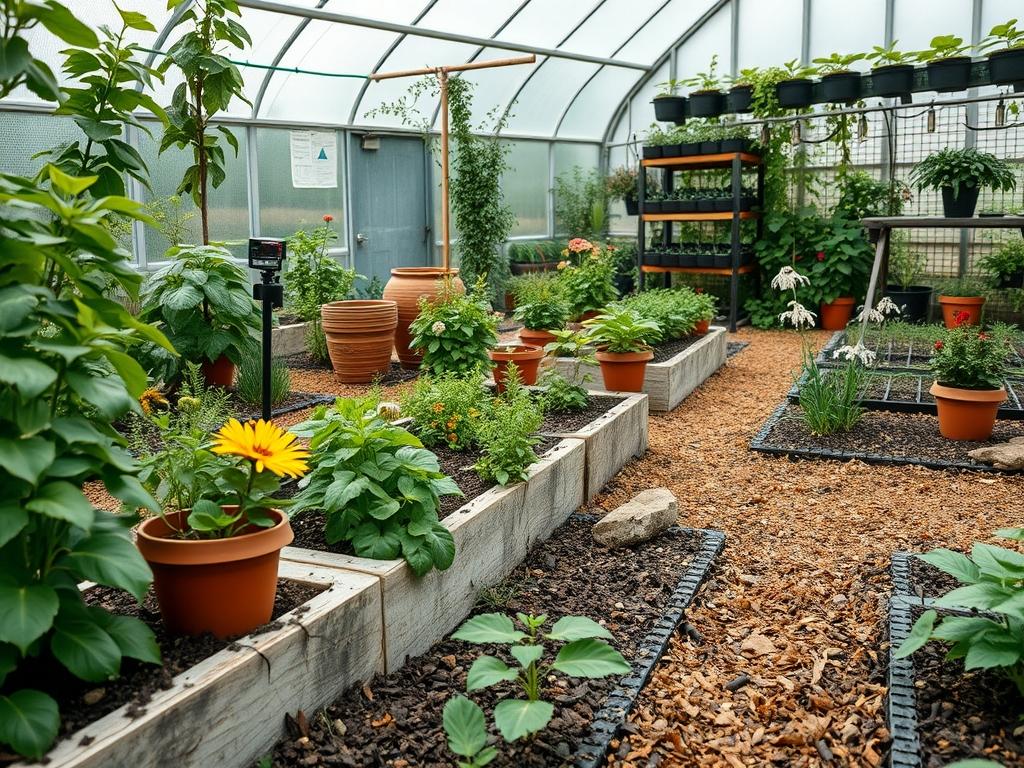
Creating a high performance landscape requires a shift in perspective from static greenery to a functional, living ecosystem. Most homeowners approach yard design with a focus on color or texture, yet the most successful projects integrate biological cycles into the structural planning of the site. When we discuss Butterfly Garden Basics, we are actually discussing the engineering of microclimates and the strategic selection of botanical assets that enhance curb appeal while providing vital habitat. The primary challenge in any professional landscape installation is balancing aesthetic order with the seemingly chaotic requirements of nature. A well-planned butterfly sanctuary increases property value by establishing a sophisticated, tiered environment that commands attention from the street. It involves complex decisions regarding wind patterns, soil drainage, and solar orientation. Without a structured architectural approach, a garden intended for pollinators can quickly become an unmanaged patch of weeds that detracts from the home’s exterior. To avoid this, we must apply rigorous design principles that treat the yard as a multifaceted outdoor room.
Landscape Design Principles
In professional landscape architecture, the concept of Butterfly Garden Basics begins with site analysis and spatial distribution. Symmetry and balance are central to creating a sense of intentionality. While nature is rarely symmetrical, your planting beds should be. Using a central focal point, such as a large granite boulder or a high quality birdbath, provides an anchor for the eye. From this center, we design outward using elevation layers. The tallest structural elements, such as Serviceberry trees or Viburnum shrubs, occupy the rear or center of the bed to provide wind protection. Butterflies are cold blooded and fragile; they require calm air and thermal mass to regulate their body temperature. Large flat stones placed in areas of maximum sun exposure serve as basking stations.
Visual balance is further achieved through the repetition of colors and textures. Instead of planting single specimens, a professional designer installs plants in masses of three, five, or seven. This creates a bold visual impact and helps pollinators locate food sources more efficiently. Functional infrastructure is equally important. Walkways made of natural flagstone or decomposed granite allow for maintenance access without compacting the soil. These paths also define the boundaries of the garden, creating a crisp contrast between the wilder floral elements and the structured hardscape. Irrigation moves from a secondary thought to a primary requirement. A drip irrigation system is the gold standard for these environments, as overhead spray can damage delicate wings and encourage fungal growth on foliage.
Plant and Material Selection
Selecting the right materials is the difference between a thriving habitat and a high maintenance failure. The following table outlines core selections for a balanced butterfly environment.
| Plant Type | Sun Exposure | Soil Needs | Water Demand | Growth Speed | Maintenance |
| :— | :— | :— | :— | :— | :— |
| Asclepias (Milkweed) | Full Sun | Well-drained | Moderate | Fast | Low |
| Echinacea (Coneflower) | Full Sun | Poor to Average | Low | Medium | Very Low |
| Salvia (Sage) | Full Sun | Sandy/Rocky | Low | Fast | Deadheading |
| Buddleia (Butterfly Bush) | Full Sun | Rich/Loamy | Moderate | Very Fast | High Pruning |
| Lantana | Full Sun | Any/Well-drained | Low | Fast | Minimal |
| Aster | Full/Part Sun | Moist/Loamy | Moderate | Medium | Seasonal Cutback |
Implementation Strategy
The transition from a blueprint to a finished landscape requires a disciplined implementation strategy. We begin with grading. The site must be sloped at a minimum of a 2 percent grade away from the home foundation to prevent water pooling. Once the terrain is sculpted, we define the bed edges. Using heavy duty steel edging or a deep spade-cut trench creates a permanent barrier between the turf and the garden, preventing grass encroachment.
After the primary structural soil is amended with organic compost, we install the largest elements first. Balled and burlapped trees and 3 gallon shrubs establish the “bones” of the garden. Once the perimeter and height are set, we move to the perennial layer. Each plant should be installed at the same depth it sat in its nursery container to avoid crown rot. To finish the space, a 3 inch layer of double shredded hardwood mulch is applied across all exposed soil. This serves three purposes: it suppresses weed germination, regulates soil temperature, and decomposes over time to provide nutrients. Finally, integrate a “puddling station.” This is a shallow area filled with coarse sand and river rocks kept slightly damp, providing butterflies with the minerals they cannot get from nectar alone.
Common Landscaping Failures
The most frequent mistake in yard planning is soil compaction caused by heavy equipment. When soil is crushed, the pore spaces that hold oxygen and water disappear, leading to root suffocation. Before planting, a broadfork or rototiller should be used to loosen the top 12 inches of the substrate. Another common failure is improper drainage. Many pollinator favorites, like Lavender or Russian Sage, will suffer from root rot if the soil remains saturated for more than 24 hours. If your site has clay-heavy soil, the installation of a French drain or the creation of a raised berm using topsoil and pea gravel is mandatory.
Overcrowding is a hidden cost of impatience. While it is tempting to plant closely for immediate fullness, you must account for the mature spread of the species. A Butterfly Bush that is 3 feet wide at the nursery can easily reach a 10 foot spread within three seasons. Failing to leave room for air circulation invites powdery mildew and pests. Lastly, many homeowners fail to include “host plants.” A butterfly garden that only provides nectar is merely a gas station. To create a true sanctuary, you must include plants that serve as food for caterpillars, such as Dill, Parsley, and Milkweed. This ensures the insects complete their life cycle on your property.
Seasonal Maintenance
Landscape management is a year-round commitment that shifts with the weather. In Spring, the focus is on cleanup and awakening. Prune back dead perennial stems once temperatures consistently stay above 50 degrees Fahrenheit. This protects beneficial insects that overwinter inside the hollow stalks. Apply a fresh application of slow release fertilizer and check the irrigation emitters for clogs.
Summer is defined by water management and deadheading. During peak heat, a deep soaking of 1 inch of water per week is better for root development than daily light mists. Removing spent blooms from Zinnias and Salvia encourages the plant to produce a second or third flush of flowers, extending the color into late August.
When Autumn arrives, resist the urge to perform a “deep clean.” Leave the seed heads on plants like Black-eyed Susans to feed migratory birds and provide winter interest. This is also the ideal time to plant new bulbs or hardy shrubs, as the cooling air and warm soil promote rapid root growth without the stress of summer sun.
In Winter, the landscape is about structural integrity. Ensure that evergreen shrubs are protected from heavy snow loads using jute twine if necessary. Check the depth of your mulch to ensure the roots of your perennials are insulated against the freeze-thaw cycle. This dormant season is also the best time to clean and sharpen your bypass pruners and shovels in preparation for the coming year.
Professional Landscaping FAQ
How much sun does a butterfly garden actually need?
Most pollinator plants require at least 6 to 8 hours of direct sunlight daily. Butterflies are solar powered and need heat to fly, while nectar producing flowers require high light levels to synthesize the sugars that attract insects.
Can I use pesticides if I have an aphid problem?
Traditional pesticides are catastrophic for butterfly gardens. Even organic sprays like neem oil can harm larvae. Instead, use a strong stream of water from a garden hose to dislodge pests or introduce natural predators like ladybugs and lacewings.
What is the best mulch for a pollinator habitat?
Double shredded hardwood mulch is the industry standard. It stays in position better than pine bark nuggets and decomposes into high quality organic matter. Avoid dyed mulches, as the chemicals and salts can be detrimental to delicate soil biology.
How do I handle drainage in a flat yard?
If your yard lacks natural elevation, create small mounds or berms using a mix of sandy loam and compost. Elevating the planting zone by just 8 to 12 inches ensures that roots remain oxygenated during heavy rain events.
When is the best time to plant perennials?
Early Spring and Early Fall are the premier windows. Planting during these temperate periods allows the root systems to establish without the extreme physiological stress caused by summer heat or the complete dormancy of a frozen winter ground.