
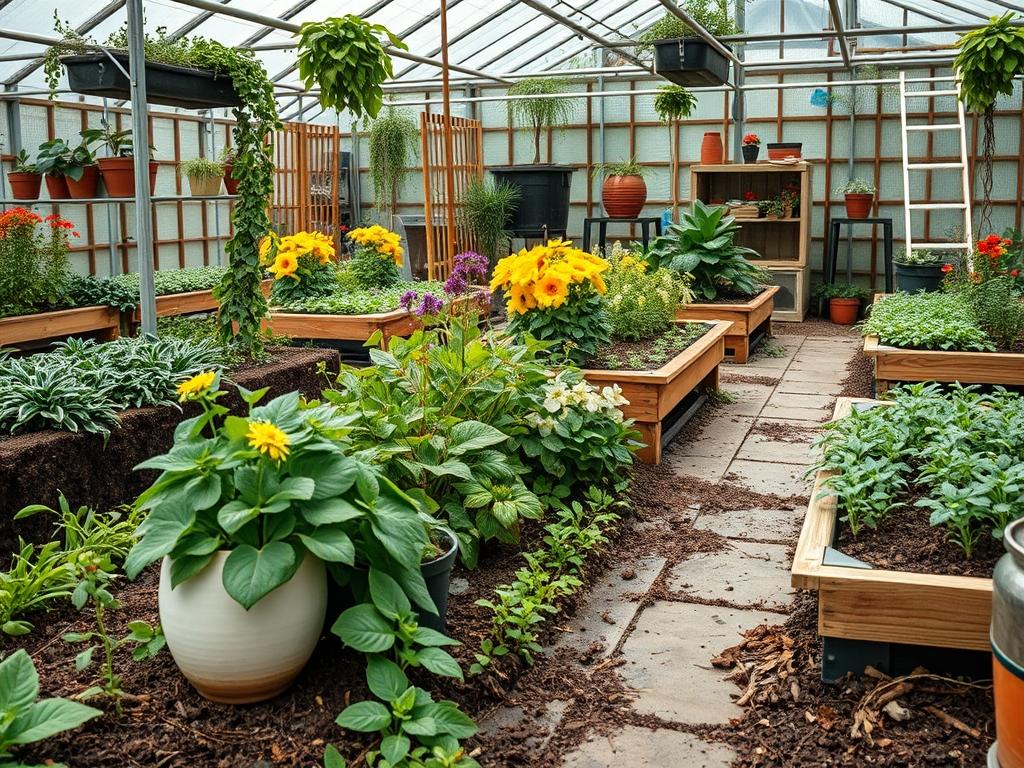
Designing a landscape that prioritizes both aesthetic elegance and biological functionality requires a sophisticated understanding of the ecosystem at play. For homeowners looking to reclaim their outdoor living spaces from invasive pests, the selection of backyard flea control plants is a strategic decision that bridges the gap between horticulture and environmental engineering. A professional landscape is more than a visual arrangement; it is a living shield. By integrating specific botanical species into a master plan, we can significantly reduce flea populations without relying exclusively on synthetic chemical interventions. This approach enhances curb appeal while ensuring the backyard remains a safe, functional sanctuary for families and pets. When we consider the outdoor environment as a series of interlocking zones, the inclusion of aromatic, repellent vegetation becomes a primary layer of defense within a comprehensive integrated pest management strategy.
Landscape Design Principles
A successful landscape design rests on the foundational concepts of symmetry, focal points, and elevation layers. When planning for backyard flea control plants, one must treat the perimeter of the property as a critical transition zone. This is where pests typically enter from adjacent wooded areas or neglected neighboring lots. By utilizing elevation layers, a designer can place taller repellent species, such as Lemongrass, against retaining walls or fences, while using low-growing herbs like Thyme as a living carpet between pavers. This creates a vertical barrier of scents that disrupt the sensory receptors of fleas.
Focal points should be strategically placed to draw the eye away from utility areas while hosting high-functioning plants. For instance, a large Rosemary shrub, pruned into a formal topiary, serves as a sculptural element near an outdoor kitchen while providing a constant release of essential oils. Visual balance is achieved by mirroring these plantings across walkways or around a central patio. Furthermore, the designer must account for irrigation planning. Many pest-repellent plants prefer well-drained soil, so the irrigation zones must be segmented; ensuring that high-moisture turf areas do not inadvertently drown the low-water aromatic borders.
Plant and Material Selection
The following selection of backyard flea control plants has been curated for their resilience, architectural value, and repellent properties. Each species requires specific environmental conditions to thrive and perform its functional role effectively.
| Plant Type | Sun Exposure | Soil Needs | Water Demand | Growth Speed | Maintenance Level |
| :— | :— | :— | :— | :— | :— |
| Lavender | Full Sun | Sandy, Well-Drained | Low | Moderate | Moderate (Pruning) |
| Rosemary | Full Sun | Loamy, Well-Drained | Low | Fast | Low |
| Chrysanthemums | Full Sun | Rich, Moist | Medium | Fast | Moderate (Deadheading) |
| Lemongrass | Full Sun | Moist, Fertile | High | Very Fast | Low |
| Mint | Partial Shade | Universal | High | Aggressive | High (Containment) |
| Marigolds | Full Sun | Well-Drained | Medium | Fast | Low |
| Pennyroyal | Partial Shade | Rich, Moist | Medium | Moderate | Moderate |
| Sage | Full Sun | Dry, Sandy | Low | Moderate | Low |
| Citronella Geranium | Full Sun | Neutral, Well-Drained | Medium | Moderate | Low |
| Thyme | Full Sun | Rocky, Dry | Low | Slow | Low |
Implementation Strategy
Executing a landscape plan involving backyard flea control plants requires a systematic approach to site preparation. The process begins with grading. The land must be sloped at a minimum of 2 percent away from the home’s foundation to prevent water pooling, which creates the humid environment fleas adore. Once the grade is established, the layout of hardscaping elements like stone walkways or retaining walls should be marked using surveyor stakes.
The next step is the installation of edging. I recommend using heavy-duty steel edging or concrete curbing to define the beds. This is particularly important for species like Mint, which can become invasive if not physically contained. Once the beds are defined, the soil must be amended based on the specific needs of the plants. For Mediterranean herbs like Sage and Lavender, adding crushed pea gravel or coarse sand improves drainage.
When it is time to plant, ensure you provide 24 inches of spacing between larger shrubs to allow for air circulation. After the plants are in the ground, apply a layer of shredded cedar mulch. Cedar is a natural repellent to many insects and reinforces the work of the plants. Aim for a 3 inch depth of mulch, keeping it 2 inches away from the base of the plant stems to prevent crown rot. Finally, check your drip irrigation lines to ensure emitters are placed directly at the root zone, minimizing waste and keeping the foliage dry.
Common Landscaping Failures
The most frequent failure in the pursuit of a pest-free yard is a lack of proper drainage. When water stagnates, it increases the ambient humidity, making even the most potent backyard flea control plants less effective. Soil compaction is another silent killer. When soil is compacted by heavy foot traffic or construction equipment, roots cannot breathe, and the plants become stressed, losing their ability to produce the essential oils that repel insects.
Improper spacing is also a major concern for the amateur landscaper. Overcrowding might provide immediate visual density, but it leads to root competition and creates dark, damp pockets within the foliage where fleas can hide. Additionally, many homeowners fail to account for the maturation size of their plants. A Lemongrass clump that looks small in a 1 gallon pot can easily reach 4 feet in width within a single season, potentially blocking walkways and creating maintenance nightmares. Lastly, excessive nitrogen fertilization can backfire; while it produces lush green growth, it also attracts aphids and other soft-bodied insects, which can lead to a secondary cycle of pest issues.
Seasonal Maintenance
A professional landscape requires year-round vigilance to maintain its defensive properties. In the Spring, the focus is on rejuvenation. This is the time to prune winter-damaged branches from Rosemary and Lavender to encourage new, oil-rich growth. Apply a slow-release, low-nitrogen garden fertilizer and refresh the cedar mulch to maintain the 3 inch depth. This is also the ideal window to divide Mint or Lemongrass clumps that have outgrown their designated areas.
As Summer arrives, the priority shifts to irrigation management and deadheading. Removing spent blooms from Marigolds and Chrysanthemums ensures the plants continue to flower and produce the natural pyrethrins that repel fleas. Monitor for heat stress, but be careful not to overwater, as damp soil is a breeding ground for flea larvae.
In the Autumn, the goal is sanitation. Clear away fallen leaves and organic debris from the base of your flea control plants. This debris acts as an insulator for flea eggs during the cooler months. Cut back perennial grasses and prepare any sensitive species for dormancy. Finally, in Winter, focus on the structural elements. Repair any shifted retaining walls or cracked pavers. While the plants are dormant, their scent barrier is reduced, so maintaining a clean, dry yard becomes the primary method of pest suppression until the growth cycle begins again.
Professional Landscaping FAQ
How many flea control plants do I need for my backyard?
Impact depends on density rather than quantity. Aim for a continuous perimeter border or clusters at 5 foot intervals around high-traffic areas like patios and porches. This creates a cohesive scent barrier that effectively disrupts flea patterns throughout the property.
Can I rely entirely on plants to stop a flea infestation?
Plants are a preventative layer within an integrated pest management system. While they significantly reduce flea presence, a heavy active infestation may require a professional cleaning of the environment followed by a strategic replanting of repellent species to maintain long-term control.
Which flea control plant is the most durable for high-traffic areas?
Thyme is exceptionally resilient and can be planted between step stones or along walkways. It withstands occasional foot traffic and releases its repellent oils when stepped upon, making it a functional and fragrant choice for active backyard environments.
Does the type of mulch I use affect flea control?
Yes, material selection is critical. Shredded cedar mulch or cypress mulch contains natural resins and oils that fleas find repulsive. Avoid heavy, moisture-retaining organic mulches like pine bark if you are in a high-humidity region prone to pest outbreaks.
Are these plants safe for my dogs and cats?
Most listed species are safe, but some, like Pennyroyal or concentrated Mint, should be used carefully. Professional placement involves putting these plants in raised planters or behind edging where pets cannot ingest them, focusing on their airborne repellent properties instead.