
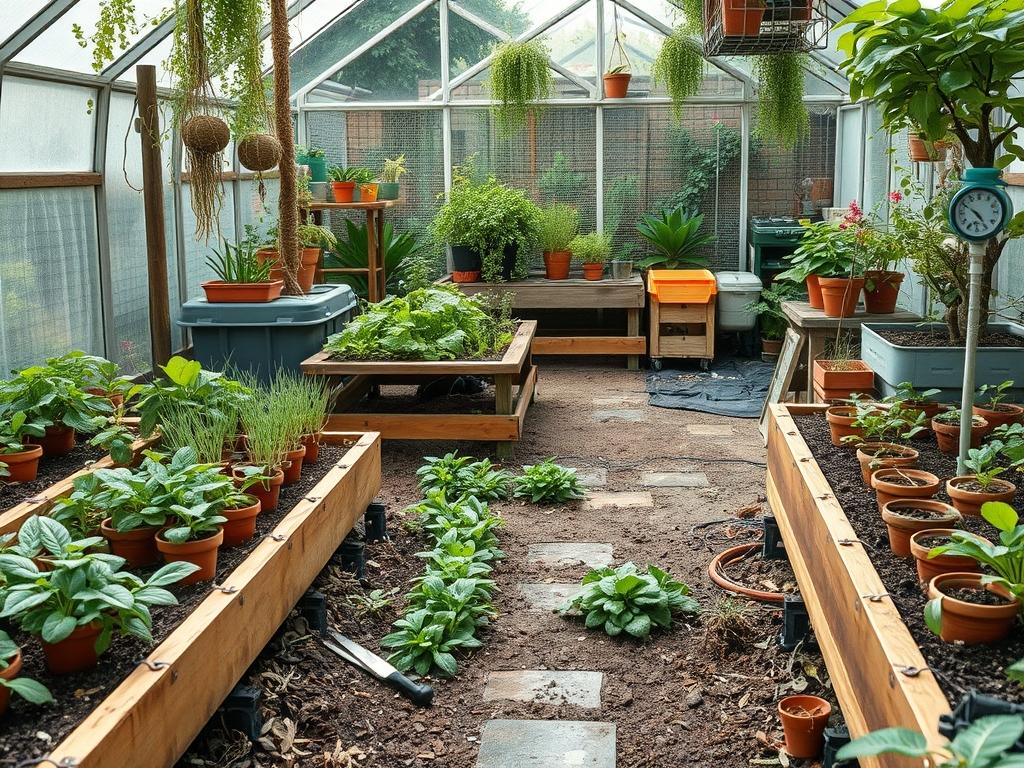
Designing an outdoor environment within a limited footprint requires an shift in perspective from horizontal expansion to vertical and functional density. Small backyards often present the most significant challenges for landscape architects because every square inch must justify its existence through both aesthetics and utility. When you are dealing with a confined area, the absence of smart spatial planning quickly leads to a cluttered, unusable patch of land. Effective Backyard Small Space Hacks focus on manipulating sightlines, optimizing elevation, and selecting materials that provide a sense of openness without sacrificing the essential elements of an outdoor retreat. Curb appeal is not merely for the front of the home; it is a psychological requirement for the backyard, ensuring that the view from your interior windows feels like an extension of the living room rather than a boundary wall. By applying professional landscaping principles, property owners can mitigate the “shoebox effect” and create a sophisticated sanctuary that feels significantly larger than its physical measurements suggest.
Landscape Design Principles
The cornerstone of expanding a small space is the strategic use of symmetry and focal points. In a large estate, you might have room for sprawling, asymmetric meadows; however, in a small backyard, symmetry provides a sense of order that calms the eye. A central focal point, such as a wall-mounted water feature or a single Japanese Maple, draws the gaze toward a specific coordinates and creates a sense of purpose. Elevation layers are equally critical. By using retaining walls built from 6-inch by 12-inch concrete blocks, you can create tiered planting beds that draw the eye upward. This verticality tricks the brain into perceiving more volume than actually exists on the ground plane.
Walkways should be designed to influence the pace of movement. Using large, 24-inch square basalt pavers set with a 2-inch gap filled with Mexican beach pebbles creates a rhythmic transition that makes the journey through the yard feel longer and more deliberate. Visual balance is achieved by grounding the space with heavier materials at the base and lighter, more airy textures at eye level. Incorporating mirrors on a sturdy fence or a brick wall is a classic landscape architect’s hack; a vintage frame with a weather-treated mirror can reflect greenery and light, effectively doubling the perceived depth of a narrow side yard. Lighting should be layered, using low-voltage LED path lights and recessed uplights to highlight textures and eliminate dark corners that compress the space at night.
Plant and Material Selection
Selecting the right biological and structural elements is the difference between a thriving garden and a maintenance nightmare. In small spaces, plant growth must be predictable. Invasive species or those with aggressive root systems will quickly compromise underground drainage pipes or lift stone pavers.
| Plant Type | Sun Exposure | Soil Needs | Water Demand | Growth Speed | Maintenance Level |
| :— | :— | :— | :— | :— | :— |
| Boxwood (Buxus) | Full Sun to Shade | Well-Drained | Moderate | Slow | Low |
| Star Jasmine | Full Sun to Part Shade | Loamy/Rich | Moderate | Medium | Medium (Pruning) |
| Sky Pencil Holly | Full Sun | Acidic/Moist | Moderate | Slow | Low |
| Creeping Jenny | Part Sun to Shade | Consistently Moist | High | Fast | Medium |
| Lavender | Full Sun | Sandy/Gravelly | Low | Medium | Low |
| Dwarf Alberta Spruce | Full Sun | Well-Drained | Moderate | Very Slow | Low |
| Blue Star Creeper | Full Sun to Part Shade | Moist | Moderate | Fast | Low |
For materials, focus on a unified palette. Mixing too many types of stone or wood creates visual noise that shrinks the environment. Use pressure-treated 4×4 timber for structural elements and composite decking for surfaces. Decomposed granite is an excellent choice for high-traffic areas because it provides a permeable surface that manages water runoff while maintaining a clean, professional appearance.
Implementation Strategy
The process begins with a precise site survey. You must determine the grading of the land to ensure that water moves away from the home foundation. If the yard is flat, you may need to install a French drain using a 4-inch perforated pipe encased in 3/4-inch crushed gravel and wrapped in landscape fabric. Once the drainage is secured, layout the hardscaping. Mark your paths and patio areas using marking paint or surveyor stakes.
When installing steel edging, ensure it is buried at least 3 inches deep to prevent grass roots from migrating into your garden beds. For the planting phase, dig holes that are twice the width of the root ball but no deeper than the container. After planting, apply a 3-inch layer of organic cedar mulch. This depth is specific; too thin and it will not suppress weeds, too thick and it may prevent oxygen from reaching the roots. If you are installing an irrigation system, prioritize drip emitters over broadcast sprayers. Drip systems deliver water directly to the root zone, which reduces evaporation and prevents the growth of fungal diseases on the foliage in tight, humid quarters.
Common Landscaping Failures
The most frequent error in small-scale landscaping is improper plant spacing. It is tempting to buy several small shrubs and plant them close together for an immediate “full” look. However, within three years, root overcrowding will lead to nutrient competition and stunted growth. Always research the mature spread of a species and plant according to that dimension. Soil compaction is another silent killer. In urban or small suburban lots, heavy foot traffic or construction debris often leaves the soil as hard as concrete. Plants cannot survive without pore space for air and water. Before planting, use a rototiller or a broadfork to aerate the soil to a depth of 12 inches, incorporating organic compost to improve structure.
Irrigation inefficiencies also plague small yards. Over-watering in a confined space with poor drainage creates a “bathtub effect” where the roots sit in stagnant water and rot. Conversely, neglecting the corners of a yard can create heat islands. Finally, failing to consider the “ceiling” of the outdoor room is a missed opportunity. Installing a pergola or a heavy-duty shade sail provides architectural interest and creates a sense of enclosure that actually makes the area feel more like a purposeful room rather than a forgotten patch of grass.
Seasonal Maintenance
Landscape management is a year-round commitment that changes with the sun’s arc. In the spring, focus on cleaning out dead debris and applying a fresh layer of mulch to retain moisture for the coming heat. This is also the time to inspect your irrigation controllers and replace any 9-volt batteries or clogged nozzles. During the summer, monitoring water levels is crucial. In small spaces, containers and raised beds dry out much faster than the ground. A moisture meter is a valuable tool for ensuring you aren’t overworking your plants or wasting water.
As autumn arrives, prune back spent perennials and deciduous trees to maintain their shape and prevent them from encroaching on walkways. This is the optimal time to plant spring bulbs or native perennials, as the cooler air and warm soil encourage root development. In the winter, the focus shifts to the hardscape. Inspect retaining walls for shifting or cracks caused by freeze-thaw cycles. Clean your flagstone or pavers with a pressure washer on a low setting to remove algae or moss that can become slippery during wet months.
Professional Landscaping FAQ
How do I choose the best mulch for a small yard?
Select fine-textured cedar mulch or pine bark nuggets. Larger wood chips can look out of scale in a small garden. Darker colors, like deep brown or black, provide a clean contrast that makes the green foliage of your plants pop.
Can I install a water feature without a large basin?
Yes, use a disappearing fountain or a wall-mounted spillway. These systems use a hidden reservoir buried underground or a small recirculating pump, offering the soothing sound of water without taking up the footprint of a traditional pond or waterfall.
What is the best way to handle a steep slope in a small backyard?
Utilize timber or stone retaining walls to create a series of flat terraces. This prevents erosion and turns unusable vertical space into functional planting tiers. Always ensure you include weep holes in the wall for proper moisture drainage.
Are native plants really better for small spaces?
Native plants are ideal because they are adapted to local rainfall and soil conditions. They typically require less fertilizer and pesticide, which keeps the small environment healthier for pets and children while supporting local pollinators like bees and butterflies.
How can I make my fence look less like a cage?
Install vertical trellises and grow climbing plants like Clematis or Star Jasmine. Another hack is to paint the fence a dark, receding color like charcoal or forest green, which allows the boundaries to visually disappear behind the layers of greenery.