
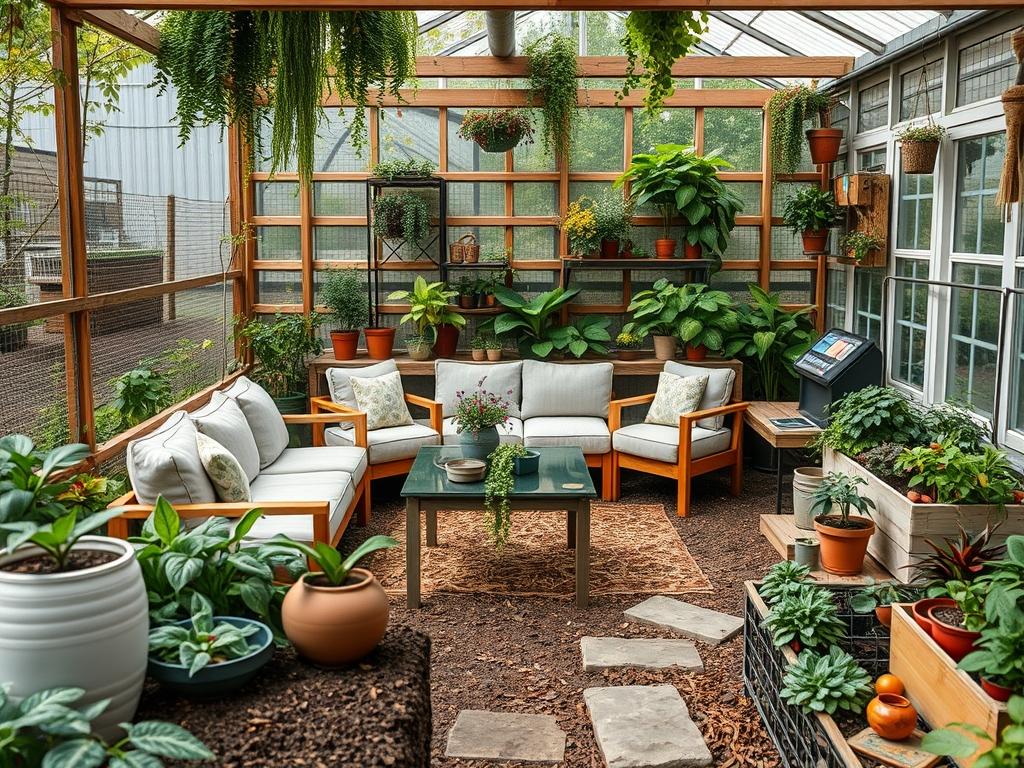
Designing a truly integrated backyard environment requires more than a simple transition from the interior to the exterior. It demands a holistic understanding of how architectural structures, such as a sunroom, interact with the biological and physical elements of the landscape. When selecting Backyard Sunroom Furniture, a homeowner must consider the visual continuity between the indoor seating area and the outdoor plant beds. The sunroom acts as a permanent viewing gallery; therefore, every chair, table, and textile chosen for the space becomes part of the wider garden composition. Climate considerations play a pivotal role here, as the intense UV exposure inherent in glass-heavy structures can degrade low-quality materials rapidly. Furthermore, the furniture helps define the functionality of the home, acting as a bridge that enhances curb appeal while allowing for year-round engagement with the site’s topography and flora.
Landscape Design Principles
A successful landscape around a sunroom relies on the principle of symmetry and the establishment of clear focal points. When you sit in your sunroom, your eyes should be drawn to a specific element in the garden, such as a specimen Japanese Maple or a structured water feature. We achieve this by aligning the furniture layout with the primary view corridors. If the furniture is too bulky, it disrupts the visual flow and makes the transition to the yard feel abrupt. We also utilize elevation layers to provide depth. By planting lower-lying groundcovers near the sunroom foundation and gradually increasing the height of the vegetation toward the property line, we create a tiered effect that frames the view without obstructing the natural light.
Walkways and circulation paths must be planned with precision to ensure the sunroom remains accessible and functional. I recommend using natural flagstone or pavers that complement the interior flooring of the sunroom. This creates a psychological sense of extension, making the backyard feel like an additional room of the house. Irrigation planning is another critical pillar. You must ensure that the drip emitters or sprinkler heads are positioned to provide adequate moisture to the perimeter plants without causing overspray on the sunroom glass. Constant water contact can lead to hard water staining and structural rot over time. Visual balance is maintained by repeating colors from the sunroom upholstery within the garden itself, such as matching a blue cushion to a cluster of Endless Summer Hydrangeas.
Plant and Material Selection
| Plant Type | Sun Exposure | Soil Needs | Water Demand | Growth Speed | Maintenance Level |
| :— | :— | :— | :— | :— | :— |
| Boxwood | Full Sun to Shade | Well-Drained | Moderate | Slow | Low |
| Lavender | Full Sun | Sandy/Alkaline | Low | Moderate | Moderate |
| Oakleaf Hydrangea | Partial Shade | Rich/Moist | High | Moderate | Low |
| Japanese Forest Grass | Shade | Humus-Rich | Moderate | Slow | Low |
| Creeping Thyme | Full Sun | Poor to Average | Low | Fast | Low |
| Star Jasmine | Sun to Part Shade | Fertile | Moderate | Fast | Moderate |
When selecting materials for the furniture itself, I advise my clients to look for powder-coated aluminum, grade-A teak, or high-density polyethylene (HDPE) lumber. These materials withstand the heat fluctuations of a sunroom while resisting the fading effects of direct sunlight. For the surrounding landscape, the use of hardwood mulch at a depth of 3 inches is essential for moisture retention and weed suppression.
Implementation Strategy
The implementation of a professional garden layout begins with proper grading. You must ensure the soil slopes away from the sunroom foundation at a minimum rate of 2 percent. This prevents hydrostatic pressure from building up against the walls and ensures that heavy rains do not flood the interior space. Once the grade is established, we use steel edging or heavy-duty plastic edging to define the borders between the lawn and the planting beds. This creates a clean, crisp line that enhances the architectural profile of the sunroom.
Next, focus on the soil preparation. I recommend incorporating 2 inches of organic compost into the top 6 inches of existing soil to improve the cation exchange capacity. When placing the plants, refer to the mature spread of each species. For instance, a Green Velvet Boxwood should be spaced at least 24 inches apart to allow for airflow and prevents fungal issues. After planting, a layer of geotextile fabric can be used under the hardscaped paths to prevent settlement and weed intrusion. Finally, the selection of Backyard Sunroom Furniture should be finalized once the garden is installed. This allows you to choose furniture scales that harmonize with the newly established garden boundaries and the height of the surrounding shrubs.
Common Landscaping Failures
The most frequent mistake I see in my consulting practice is improper drainage. Many homeowners install beautiful sunrooms only to have water pool at the base because the contractor did not account for the change in runoff patterns caused by the new roofline. Without a functional French drain or swale, this water will eventually undermine the slab or the wooden supports. Root overcrowding is another significant issue. Planting large-scale trees like Silver Maples too close to the glass can lead to foundation cracking and excessive shading that defeats the purpose of the sunroom.
Irrigation inefficiencies often occur when homeowners use the same watering schedule for the sunroom perimeter as they do for the open lawn. The area immediately adjacent to the glass often stays warmer and dries out faster due to reflected heat. Conversely, if the eaves of the sunroom are wide, they might create a rain shadow where plants receive no natural precipitation at all. Soil compaction during the construction phase is also a silent killer. Heavy machinery can compress the earth so tightly that roots cannot penetrate it, leading to stunted growth or plant death. Always perform core aeration before finalizing your planting plan.
Seasonal Maintenance
Spring is the time for revitalization. You should begin by inspecting the irrigation system for any leaks or clogged nozzles. Apply a balanced, slow-release fertilizer to the planting beds and prune any deadwood from your ornamental shrubs. This is also the best time to clean the sunroom windows and check the furniture for any hardware that may have loosened during the winter. In the summer, the focus shifts to moisture management. Monitor the soil moisture levels daily during heatwaves; the reflected heat from the sunroom glass can create a microclimate that is significantly hotter than the rest of the yard. Use a soaker hose to provide deep, consistent watering.
Autumn maintenance involves leaf management and preparation for dormancy. It is vital to keep the area around the sunroom clear of fallen leaves, as these can trap moisture against the foundation and encourage pests. Clean the gutters to ensure that autumn rains are directed away from the structure. As winter approaches, protect sensitive plants with burlap wraps or frost blankets. For the furniture, if the sunroom is not climate-controlled, you may want to use breathable furniture covers to protect the finishes from the dampness of the colder months. Periodically check for any signs of rodent nesting in the cushions or under the furniture frames.
Professional Landscaping FAQ
What is the best material for sunroom furniture?
I recommend powder-coated aluminum or teak paired with Sunbrella fabrics. These materials offer the highest resistance to UV degradation and temperature fluctuations, ensuring your Backyard Sunroom Furniture remains aesthetically pleasing and structurally sound for years.
How do I prevent my sunroom from overheating the nearby plants?
Use deciduous trees for strategic shading. In the summer, their leaves protect the glass from the harshest rays, while in the winter, they drop their leaves to allow the sun to warm the space naturally and efficiently.
Should I use a rug under my sunroom furniture?
Yes, but ensure it is a polypropylene rug. These are specifically designed for high-moisture and high-sun environments. They do not trap heat or moisture against the flooring and are resistant to mold and mildew growth.
How deep should my mulch layer be near the foundation?
Maintain a consistent 3-inch layer of shredded hardwood mulch. However, ensure there is a 6-inch gap between the mulch and the actual siding or sunroom frame to prevent termite access and wood rot from excessive moisture.
How can I improve drainage around my sunroom quickly?
Install a French drain system consisting of a 4-inch perforated pipe buried in washed gravel. This effectively redirects surface water and subsurface saturation away from the structure toward a lower point on the property or a dry well.