
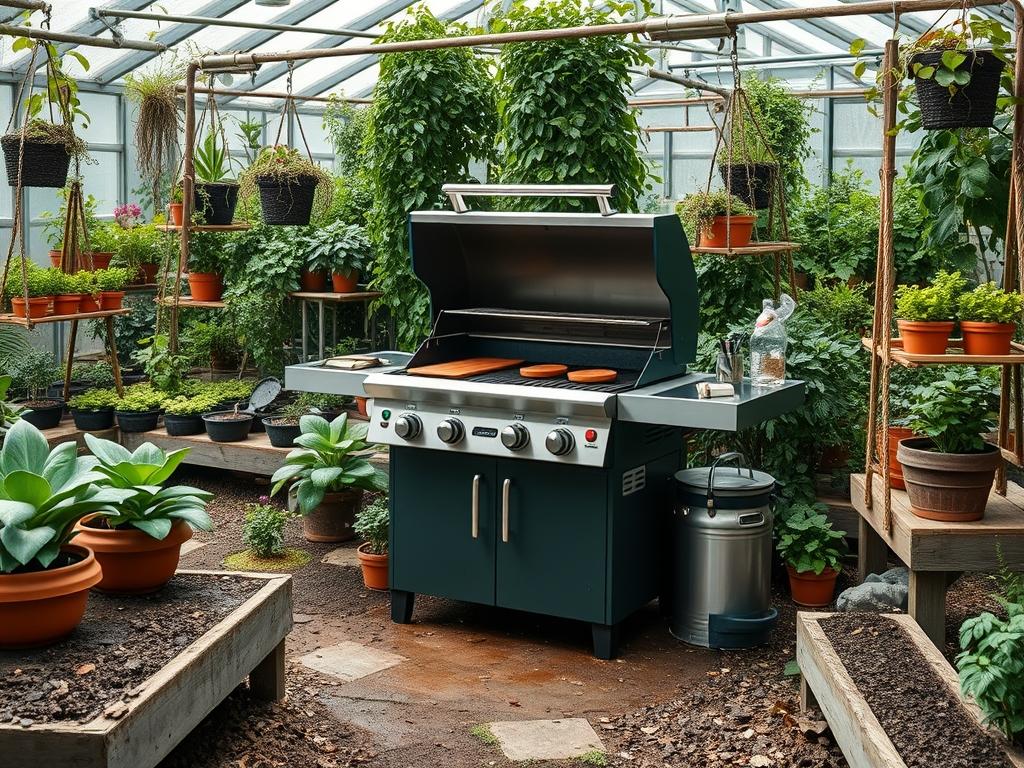
Transforming a residential backyard into a high performance culinary theater requires much more than simply placing a grill on a patio. Backyard Hibachi Grills serve as a social anchor, demanding a landscape design that balances heat management, ventilation, and aesthetic fluidity. When integrating these professional grade flat top stations, architects must consider how the prevailing winds will move smoke away from guests and how the surrounding hardscape will handle the inevitable thermal expansion and grease runoff. The goal is to create a seamless transition between the intense heat of the cooking zone and the cool, inviting atmosphere of the garden. This ensures that the installation enhances overall property value while remaining highly functional throughout the changing seasons. Success in this endeavor relies on a deep understanding of site orientation, where the placement of the grill is dictated by both the sun path and the architectural lines of the home to create a cohesive outdoor living environment.
As a landscape architect, the challenge lies in mitigating the industrial look of large stainless steel appliances by surrounding them with organic textures and thoughtful elevation changes. The integration of high performance cooking surfaces into a garden requires a careful study of micro climates within the yard. A stationary hibachi unit generates significant localized heat, which can stress nearby vegetation if not buffered by hardscaping or heat tolerant species. Furthermore, effective lighting and accessibility become paramount when the sun sets, as the chef needs clear visibility of the cooking surface while guests require a safe, illuminated path to the dining area. By prioritizing the relationship between the built environment and the natural ecology of the site, homeowners can achieve a backyard that feels like a professional resort while maintaining the intimacy of a private sanctuary.
Landscape Design Principles
Symmetry and focal points are the foundation of any high end outdoor kitchen layout. When designing for Backyard Hibachi Grills, the grill itself should be treated as the stage of a theater. A common approach is to use a u shaped or circular counter configuration that allows the chef to remain at the center of the action while guests are seated around the perimeter. This arrangement necessitates a minimum of 36 inches of clearance behind the chef for safe movement and at least 24 inches of counter space on either side of the grill for food preparation and plating. Visual balance is achieved by mirroring hardscape elements, such as using twin stone pillars or symmetrical planting beds, to frame the cooking station and draw the eye toward the culinary center.
Elevation layers can be used to define the cooking zone without the need for restrictive walls. By raising the hibachi station by a single 6 inch step or placing it on a slightly elevated flagstone terrace, you create a psychological boundary between the active cooking area and the relaxed lounge space. This shift in height also aids in drainage, as the cooking platform can be pitched at a 2 percent grade to ensure that wash water and rain do not pool near the gas lines or electrical outlets. Incorporating retaining walls that double as overflow seating provides a functional way to manage slope changes while increasing the capacity for guest hosting during large events.
Walkways and movement patterns must be planned with precision to avoid congestion. Paths leading from the house to the hibachi area should be at least 4 feet wide to allow two people to pass comfortably. Using permeable pavers or decomposed granite for these walkways helps with storm water management and prevents the “heat island” effect common in over paved backyards. Irrigation planning is equally critical; all water lines for the garden must be trenched at least 18 inches away from any gas or heat sources to prevent thermal damage to PVC piping. Finally, the choice of materials, such as travertine, slate, or honed granite, must be dictated by their ability to resist staining from cooking oils while remaining cool to the touch under direct sunlight.
Plant and Material Selection
| Plant Type | Sun Exposure | Soil Needs | Water Demand | Growth Speed | Maintenance Level |
| :— | :— | :— | :— | :— | :— |
| Japanese Maple | Partial Shade | Well-drained / Acidic | Moderate | Slow | Medium |
| Rosemary | Full Sun | Sandy / Poor | Low | Moderate | Low |
| Japanese Boxwood | Full to Part Sun | Loamy / Neutral | Moderate | Slow | Low |
| Fountain Grass | Full Sun | Versatile | Low | Fast | Low |
| Creeping Thyme | Full Sun | Gritty / Well-drained | Low | Moderate | Low |
| Blue Star Juniper | Full Sun | Well-drained | Low | Slow | Very Low |
| Tall Fescue | Full to Part Sun | Rich / Loamy | High | Fast | High |
Implementation Strategy
The first phase of implementation involves precise site grading. Using a transit level, the area must be measured to ensure that water flows away from the grill foundation and toward the designated drainage outlet or rain garden. Once the grade is established, a sub base of 4 inches of compacted crushed stone is required to support the weight of the hibachi unit and its surrounding masonry. This prevents shifting or cracking during freeze thaw cycles, which can be catastrophic for gas connections and stone veneers.
Hardscaping should precede all planting. Install steel edging to create clean lines between the paver patio and the garden beds. When laying the patio, a sand setting bed of 1 inch allows for micro adjustments to the pavers, ensuring a perfectly level surface for the grill. All electrical conduits and gas lines must be inspected and buried before the final layer of hardscape is applied. For the surrounding garden, apply a 3 inch layer of cedar mulch to retain moisture and suppress weeds, taking care to keep the mulch at least 6 inches away from the base of the cooking station to reduce fire risks.
The final stage is the installation of the softscape. Larger specimen trees, such as Japanese Maples, should be planted first to establish the canopy and provide natural shade for afternoon cooking sessions. Follow this with mid level shrubs like Japanese Boxwood to create structure. Ground covers like Creeping Thyme can be tucked between stepping stones to soften the edges of the hardscape. Ensure that every plant is positioned according to its mature width to avoid overcrowding, which leads to poor air circulation and disease. After planting, a drip irrigation system should be installed with emitters targeted at the root balls of new plants to maximize water efficiency during the critical establishment period.
Common Landscaping Failures
One of the most frequent mistakes in backyard planning is improper drainage around the cooking area. If a patio is not correctly pitched, water will accumulate at the base of the grill, leading to the corrosion of stainless steel components and the growth of slippery moss on the walkways. This creates a safety hazard for the chef and guests alike. Another common failure is root overcrowding. Designing a garden for its appearance on day one often leads to plants being placed too close together. As they mature, they compete for nutrients and water, while their branches may grow dangerously close to the heat plume of the hibachi, creating a fire hazard.
Soil compaction is a hidden killer of high performance landscapes. During the construction of the outdoor kitchen, heavy machinery and frequent foot traffic can crush the soil structure, removing the air pockets necessary for root respiration. Without remediation, even the hardiest plants will struggle and eventually die. To avoid this, designers should specify core aeration or the addition of organic compost to the site once construction is complete. Furthermore, many homeowners neglect the spacing between the grill and the siding of the home or flammable vegetation. A minimum clearance of 10 feet from any combustible material is a standard safety protocol that should never be ignored for the sake of aesthetics.
Seasonal Maintenance
Spring maintenance focuses on rejuvenation and system checks. Clear away any debris that accumulated over the winter, and inspect the irrigation lines for leaks or clogged emitters. This is the optimal time to apply a slow release fertilizer to the garden beds and to refresh the mulch layer to a depth of 3 inches. Prune any winter kill from shrubs and prepare the hibachi surface by deep cleaning the ventilation hood and checking the structural integrity of the stone masonry.
During the summer, the primary concern is water management and heat stress. Monitor the soil moisture levels regularly, especially for plants located within 5 feet of the cooking station. Increase the frequency of irrigation during heat waves, and deadhead spent blooms to encourage continuous flowering. In autumn, the focus shifts to leaf management and preparation for dormancy. Remove fallen leaves from the patio to prevent staining on the pavers. This is also the best time to plant new perennials or trees, as the cooler temperatures allow roots to establish without the stress of extreme heat.
Winter maintenance is about protection. If the Backyard Hibachi Grills will not be used during the coldest months, they should be covered with a weatherproof vinyl cover. Landscape lighting should be checked to ensure that frozen ground has not shifted the fixtures. Avoid using harsh de icing salts near the garden beds or on sensitive stone surfaces like limestone, as these chemicals can leach into the soil and damage plant roots or cause spalling on the masonry. Use sand or calcined clay for traction instead.
Professional Landscaping FAQ
How far should a hibachi grill be from the house?
For safety and ventilation, maintain a minimum gap of 10 feet between the grill and any combustible structures. This prevents heat damage to siding and ensures that smoke does not enter the home through windows or soffits.
What is the best hardscape material for under a grill?
Natural stone or concrete pavers are ideal due to their durability and fire resistance. Ensure the material is sealed with a high grade penetrant to prevent grease and oil from permanently staining the porous surface of the stone.
Can I plant trees near my outdoor cooking station?
Yes, but you must choose heat tolerant species and maintain a safe vertical clearance. Ensure the canopy is at least 15 feet above the cooking surface to allow heat to dissipate and prevent singeing the leaves or branches.
How do I prevent my patio from sinking under the grill?
A reinforced foundation is essential. Use a sub base of 6 inches of compacted 21A crushed stone topped with a geogrid fabric. This distributes the heavy weight of the masonry and hibachi unit across a larger surface area.
Which plants help most with outdoor cooking odors?
Fragrant herbs like Rosemary, Lavender, and Sage are excellent additions. Not only do they tolerate the warmth of the patio, but their natural oils release pleasant scents that help balance the heavy aromas of grilled meats and oils.