
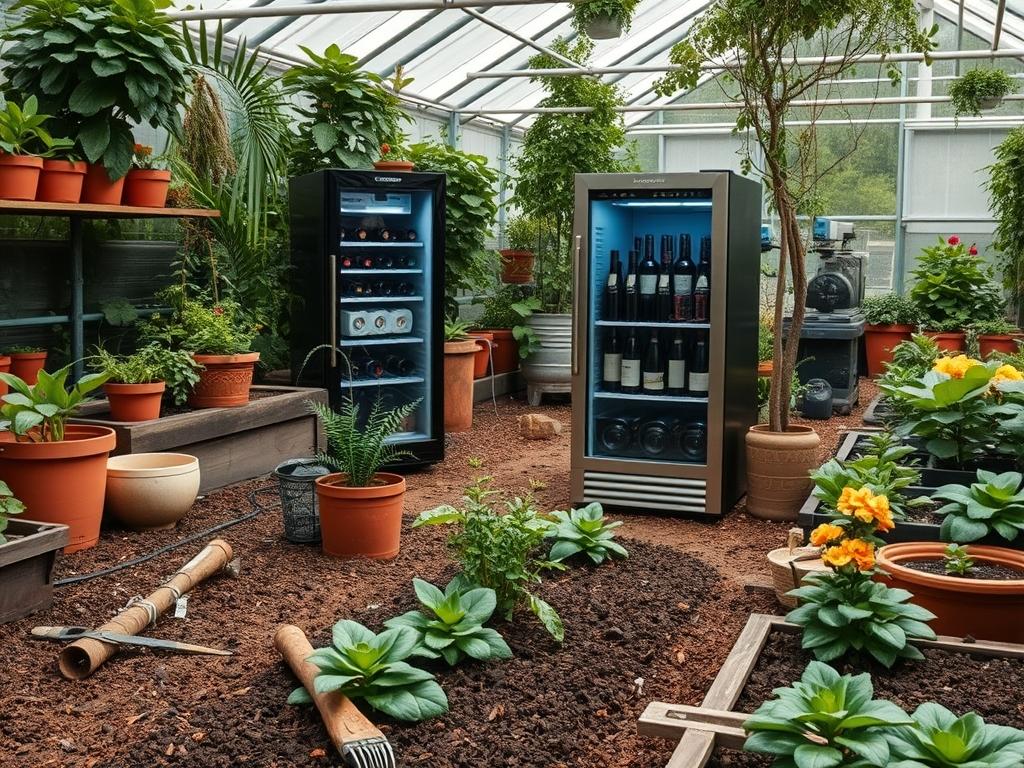
Integrating high end amenities within a residential landscape requires a sophisticated understanding of both aesthetic harmony and technical requirements. When planning for the inclusion of outdoor wine fridges, the landscape architect must look beyond the appliance itself to understand how the surrounding environment impacts its performance and longevity. A well-placed cooling unit serves as a functional anchor for social spaces, yet it also presents unique challenges regarding solar heat gain, moisture management, and spatial flow. The ultimate goal is to create a seamless transition between the interior luxury of a cellar and the rugged requirements of the outdoors. This involves assessing the site’s microclimate, identifying prevailing wind patterns that could affect ventilation, and ensuring that the placement enhances the overall curb appeal of the backyard oasis. By treating the appliance as an integral part of the hardscape rather than an afterthought, homeowners can achieve a balance between peak utility and high design.
Landscape Design Principles
Successful integration of outdoor wine fridges begins with the principle of symmetry and visual weight. A stainless steel appliance possesses a significant visual mass that can disrupt the natural flow of a garden if not properly anchored. Designers often use the concept of a focal point to draw the eye toward the entertaining zone while using secondary elements like low-rise stone walls or ornamental plantings to soften the edges. Elevation plays a critical role here. By placing the kitchen or bar area on a slightly raised terrace, you create a distinct destination within the yard. This elevation also assists in natural drainage, ensuring that heavy rainfall moves away from the sensitive electrical components of the unit.
Walkways and movement patterns are equally vital. A wine fridge should be accessible from the primary seating area without blocking the main “traffic arteries” of the patio. We typically apply the kitchen triangle principle to outdoor layouts, maintaining a logical distance between the preparation area, the seating, and the refrigeration. Lighting design should also be layered. Task lighting near the fridge allows for safe operation at night, while soft ambient light from low-voltage LEDs hidden within nearby foliage ensures the area feels inviting. Finally, irrigation planning must be precise. Sprinkler heads should be positioned to avoid direct spray on the appliance vents, as chlorinated or mineral-rich water can lead to premature corrosion of the exterior finish.
Plant and Material Selection
The following table outlines plants and materials that complement the environment surrounding outdoor wine fridges, focusing on species that provide shade and aesthetic value without excessive debris.
| Plant Type | Sun Exposure | Soil Needs | Water Demand | Growth Speed | Maintenance Level |
| :— | :— | :— | :— | :— | :— |
| Buxus sempervirens | Full Sun to Shade | Well-Drained | Moderate | Slow | Medium |
| Trachelospermum jasminoides | Partial Sun | Loamy/Rich | Moderate | Fast | Low |
| Miscanthus sinensis | Full Sun | Adaptable | Low | Fast | Low |
| Acer palmatum | Dappled Shade | Slightly Acidic | High | Slow | Medium |
| Thuja occidentalis | Full Sun | Moist/Loamy | Moderate | Moderate | Low |
| Lavandula angustifolia | Full Sun | Gritty/Dry | Low | Moderate | Low |
Implementation Strategy
The construction phase begins with meticulous site grading to prevent standing water. The area intended for the outdoor wine fridges must be excavated to a depth of at least 8 inches to accommodate a stable base. Start by laying down a 4-inch layer of compacted gravel followed by a 2-inch layer of sand or a poured concrete slab. This foundation prevents the unit from shifting or tilting as the soil settles over the seasons. When building the enclosure, ensure there is at least 2 inches of clearance on all sides of the fridge to allow for proper airflow. Heat exhaustion is the primary cause of compressor failure in outdoor environments, so ventilation is non-negotiable.
Edging the surrounding garden beds with steel bender board or heavy-duty masonry helps keep mulch and soil from migrating toward the appliance vents. For the ground cover, a 3-inch depth of cedar mulch or decomposed granite provides an excellent thermal barrier for the soil, keeping the local root zones cool. Hardscaping materials should be non-reflective where possible. While polished marble is beautiful, it can reflect intense sunlight onto the fridge, forcing the motor to work harder. Instead, opt for honed travertine, thermal-finish bluestone, or natural slate. These materials absorb less heat and provide a slip-resistant surface for guests.
Common Landscaping Failures
One of the most frequent mistakes in backyard planning is the neglect of drainage dynamics. If a patio is pitched toward the outdoor wine fridges, even by a few degrees, water will accumulate at the base of the cabinet, leading to electrical shorts and rust. Another common failure is root overcrowding. Planting large canopy trees too close to the hardscape can lead to “root heave” where the roots lift the concrete pavers and tilt the appliance. This can break the seal of the fridge door, ruining your collection.
Improper spacing for ventilation is another recurring issue. Many homeowners attempt to “hide” the fridge behind dense shrubbery. This creates a pocket of trapped hot air that reduces the efficiency of the cooling system. Soil compaction is also a hidden enemy. During construction, heavy machinery can crush the soil structure around the site, leading to poor drainage and “drowning” the nearby plants. Finally, irrigation inefficiency, such as placing a high-pressure spray head directly opposite an appliance vent, will inevitably lead to internal moisture damage and mold growth within the wall cavities of the outdoor kitchen.
Seasonal Maintenance
Managing a landscape throughout the year requires a proactive approach to protect your outdoor wine fridges. In the spring, the focus should be on cleaning. Pollen and dust can clog the condenser coils. Use a soft-bristled brush and a vacuum to clear any debris from the vents. Check the irrigation system for leaks that might have formed over the winter and ensure that mulch is replenished to its 3-inch depth to prepare for summer heat.
During the summer, monitor the ambient temperature around the fridge. If the area becomes excessively hot, consider adding a shade sail or a cantilever umbrella to reduce direct solar load. Autumn brings the challenge of falling leaves. Dry leaves are a fire hazard if they accumulate near electrical components and can block essential airflow. Regularly clear the area and prune back any deciduous branches that have grown too close. In winter, if you live in a climate where temperatures drop below freezing, it is often best to empty the fridge and turn it off. Cover the unit with a breathable, waterproof fabric cover to prevent moisture from becoming trapped against the stainless steel, which can cause “pitting” or surface rust.
Professional Landscaping FAQ
How much clearance does an outdoor wine fridge need?
Most units require at least 2 inches of space on the sides and 3 inches at the rear. Proper airflow prevents the compressor from overheating. Always check the manufacturer specifications for specific clearance requirements related to front-venting versus rear-venting models.
Can I place my wine fridge directly on the dirt?
No, you should never place an appliance on raw soil. You must use a stable, level base such as poured concrete, compacted gravel, or thick pavers. A solid foundation prevents sinking, prevents moisture wicking, and ensures the door seals correctly.
Which plants are best for natural shade near appliances?
Choose plants that do not drop heavy fruit, sap, or excessive leaves. Emerald Green Arborvitae provides excellent vertical screening, while Star Jasmine offers a pleasant aroma without creating a mess. Avoid trees like Cottonwoods or Mulberries that produce clogging debris.
What is the best way to handle drainage near an outdoor kitchen?
Install a French drain or a trench drain along the perimeter of the cooking and cooling area. Ensure the entire patio maintains a 2 percent slope away from the house and any electrical appliances to prevent dangerous water pooling.
How do I protect the electrical lines in the landscape?
All electrical runs must be housed in Schedule 40 PVC conduit and buried at least 18 inches deep. Ensure the circuit is protected by a Gfci outlet to prevent shocks in wet outdoor conditions. Consult a licensed electrician for local code compliance.