
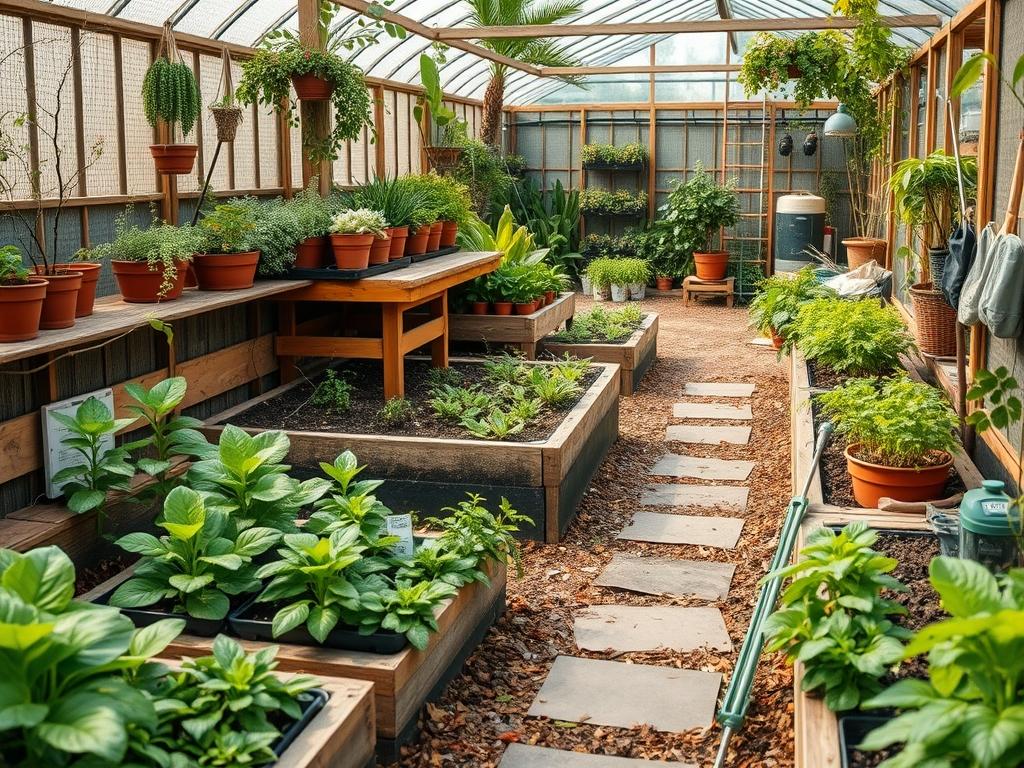
Creating an inviting outdoor sanctuary requires more than just high quality furniture and a few potted plants. As a landscape architect, I often see homeowners struggle with the transition between their interior living space and the natural environment. A crowded patio serves as a physical and visual barrier, disrupting the fluid movement that characterizes well designed estates. Effective patio decluttering tips often begin with a fundamental assessment of spatial utility and ecological harmony. When a terrace becomes a catch all for forgotten gardening tools, mismatched containers, and seasonal debris, it loses its ability to function as a relaxation hub. The challenge lies in balancing aesthetic appeal with the harsh realities of climate exposure, ensuring that every element on your patio serves a specific purpose or enhances the overall design. By approaching decluttering as a form of landscape Editing, we can improve curb appeal and restore the functionality of the outdoor living room.
Landscape Design Principles
A successful patio layout relies on the core tenets of symmetry and focal points. When applying patio decluttering tips from an architectural perspective, we first examine the lines of sight. A focal point, such as a high end Natural Stone Fire Pit or a large Japanese Maple, should not be obscured by clutter. We use elevation layers to create depth; for example, placing taller elements in the background and keeping the foreground clear to allow the eye to travel across the space. Visual balance is often achieved through the rule of three, where groups of objects are arranged to provide rhythm without looking crowded.
Irrigation planning plays a vital role in decluttering as well. Exposed hoses and messy watering cans are common eyesores. By integrating sub surface irrigation lines or dedicated hose bib enclosures, we remove the industrial clutter that plagues many backyards. Walkways should remain unobstructed, following a clear hierarchy of movement. We typically recommend a minimum width of 36 inches for secondary pathways to ensure two people can pass comfortably. By defining these zones with Steel Edging or Paver Borders, you create a psychological boundary that discourages the accumulation of random objects in transit areas.
Plant and Material Selection
Choosing the right materials and flora is essential for maintaining a clean, organized appearance. Selecting low maintenance, structured plants prevents the patio from feeling overgrown or messy. The table below outlines selections that provide architectural integrity while requiring minimal upkeep.
| Plant Type | Sun Exposure | Soil Needs | Water Demand | Growth Speed | Maintenance Level |
| :— | :— | :— | :— | :— | :— |
| Boxwood | Full Sun to Shade | Well Drained | Moderate | Slow | Low |
| Lavender | Full Sun | Sandy/Gravelly | Low | Medium | Low |
| Japanese Forest Grass | Partial Shade | Humus Rich | Moderate | Slow | Low |
| Dwarf Fountain Grass | Full Sun | Adaptable | Low | Medium | Moderate |
| Sky Pencil Holly | Full Sun/Part Shade | Acidic/Moist | Moderate | Slow | Low |
| Blue Star Creeper | Full Sun/Part Shade | Moist/Well Drained | Moderate | Medium | Low |
For hardscaping materials, we prioritize durability and ease of cleaning. Textured Concrete Pavers, Flagstone, and Thermally Modified Wood are excellent choices for a decluttered look. These materials provide a clean canvas that resists staining and reduces the need for constant scrubbing or chemical treatments.
Implementation Strategy
The process of transforming a cluttered patio into a streamlined environment requires a systematic implementation strategy. We begin with grading and drainage. Before placing any furniture, the ground must be sloped at a 2 percent grade away from the home foundation to prevent water pooling. If the patio surface is uneven, clutter often accumulates in the low spots, attracting organic debris and silt. Once the foundation is secure, we address the perimeter.
Applying a layer of Hardwood Mulch at a depth of 3 inches around the patio edges creates a crisp, professional finish that suppresses weeds. For those incorporating large containers, we recommend consolidating small, mismatched pots into three or four large, substantial planters. This provides a unified aesthetic and makes irrigation more efficient. When planning the layout, consider the footprint of each piece of furniture. Use a Tape Measure to ensure there is at least 24 inches of clearance around dining chairs.
If storage is a primary concern, look for built in solutions. We often design retaining walls that double as bench seating, incorporating hidden compartments for cushions and gardening supplies. This integration of storage into the hardscape is one of the most effective patio decluttering tips for small spaces. Finally, ensure that all electrical wiring for outdoor lighting is buried in PVC Conduit to maintain a clean, wire free appearance.
Common Landscaping Failures
Many homeowners face recurring clutter issues because of fundamental design failures. Drainage mistakes are the most common; when water does not exit the patio area quickly, it leaves behind mud and mineral deposits that make the space look perpetually dirty. Soil compaction is another frequent issue, especially in high traffic areas near the patio. Compacted soil prevents water infiltration, leading to runoff that washes mulch and debris onto your clean pavers.
Root overcrowding in planters often leads to dying foliage, which serves as a form of biological clutter. We recommend upsizing pots or thinning out root balls every two years. Improper spacing is a visual failure that makes even an expensive patio feel cramped. If furniture is too large for the square footage, the space will never feel decluttered. Lastly, irrigation inefficiencies, such as misdirected sprinkler heads, can drench outdoor furniture, leading to mold and mildew growth that requires constant cleaning and maintenance.
Seasonal Maintenance
To keep your patio stress free year round, follow a structured seasonal maintenance schedule. In the spring, focus on deep cleaning the hardscape. Use a Pressure Washer on a low setting to remove winter grime from Limestone or Pavers. Inspect the mortar joints and refill them with Polymeric Sand if necessary. This is also the time to prune any Ornamental Grasses to allow for fresh growth.
During the summer, maintenance is about containment. Regularly sweep the patio with a Corn Broom to prevent the buildup of grass clippings and pollen. Check your irrigation system for leaks and adjust timers based on the heat. In the autumn, the primary task is leaf management. A Leaf Blower or Rake should be used weekly to prevent tannins from staining the patio surface. Remove any annuals that have finished their bloom cycle to avoid a ragged appearance.
Winter maintenance involves protecting your assets. Move sensitive furniture into storage or use high quality covers. Ensure that drainage grates are clear of ice and snow to prevent হয়ে backup flooding during thaws. By following these steps, your patio remains a structured, intentional extension of your home rather than a storage area for the outdoors.
Professional Landscaping FAQ
How often should I restain my wooden deck or patio trim?
Typically, you should apply a fresh coat of sealer or stain every 2 to 3 years. This protects the wood from UV degradation and moisture, preventing the splintered, weathered look that contributes to visual clutter.
What is the best way to hide bulky pool equipment or AC units?
We recommend using Cedar Slats or Evergreen Privacy Hedges like Emerald Green Arborvitae. These physical barriers mask noise and hide mechanical clutter while allowing for necessary airflow around the equipment.
Can I use gravel as a primary patio surface successfully?
Yes, but it requires a Geotextile Fabric base and Crushed Stone instead of rounded pebbles. Pea gravel tends to shift and migrate, creating a messy appearance, whereas angular stone locks together for a stable, clean surface.
How do I prevent weeds from growing between my patio pavers?
The most effective method is using Polymeric Sand in the joints. This material hardens when activated by water, creating a durable bond that resists weed seed germination and prevents ants from excavating beneath the stones.
What is the ideal lighting for a decluttered nighttime patio?
Focus on low voltage LED Path Lights and discreet Well Lights. Avoid bulky, oversized fixtures. Aim for subtle illumination that highlights architectural features and pathways without creating glare or cluttering the overhead view.