
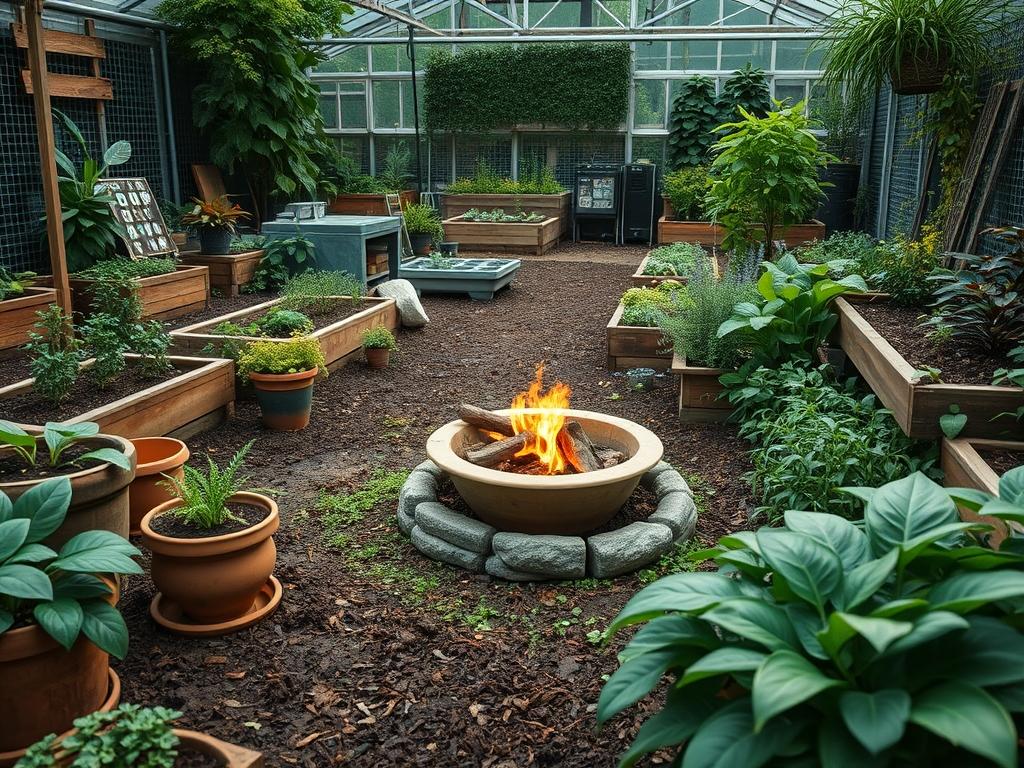
Creating a cohesive outdoor living space requires more than just selecting aesthetic furniture or high-end masonry. As a landscape architect, I view the backyard as a complex ecosystem where functionality, safety, and visual harmony must coexist. One of the most significant challenges in modern residential design is the integration of fire features onto combustible surfaces such as wood or composite decks. While the allure of a flickering flame draws guests together, the thermal output from a portable fire pit can reach temperatures exceeding 500 degrees Fahrenheit. This level of heat poses a direct threat to the structural integrity of your decking materials, potentially causing warping, discoloration, or even ignition. To bridge the gap between luxurious ambiance and property protection, Backyard Fire Pit Mats have become a foundational requirement in my project specifications. These mats serve as a thermal barrier, redirecting radiant heat away from the surface below. By planning for these safety elements during the initial design phase, we ensure that the curb appeal remains intact while the outdoor environment remains safe for year-round entertaining.
Landscape Design Principles
A successful landscape design relies on a clear understanding of spatial hierarchy and the relationship between different outdoor zones. When we position a fire pit area, we are essentially creating a focal point that dictates the flow of the entire yard. Symmetry plays a vital role here; if the fire pit is the central anchor, the surrounding seating and plantings should reflect a balanced weight to avoid a lopsided aesthetic. I often utilize the principle of elevation layers to add depth. This might involve a slightly raised wooden deck for the dining area transitioning down to a sunken stone patio for the fire feature. However, when the client insists on placing a fire pit directly on an elevated deck, the technical requirements shift.
Visual balance must be maintained between the hardscape elements and the softscape or living components. We use walkways, constructed from Flagstone or Permeable pavers, to guide movement and protect the lawn from compaction. Irrigation planning is equally critical; water lines must be routed away from high-heat zones to prevent the plastic tubing from melting or degrading. Furthermore, the use of Backyard Fire Pit Mats should be integrated into the visual layout. Rather than seeing them as an afterthought, we select mats with neutral tones that complement the wood grain or stone patterns, ensuring that safety equipment does not detract from the high-end finish of the environment.
Plant and Material Selection
Selecting the right biological and structural components is the hallmark of a durable landscape. Below is a selection of plants frequently used to frame fire pit areas, chosen for their resilience and aesthetic contribution.
| Plant Type | Sun Exposure | Soil Needs | Water Demand | Growth Speed | Maintenance Level |
| :— | :— | :— | :— | :— | :— |
| Little Lime Hydrangea | Full Sun to Part Shade | Well-drained loamy soil | Moderate | Medium | Low pruning required |
| Blue Star Juniper | Full Sun | Sandy or rocky soil | Low | Slow | Very low |
| Russian Sage | Full Sun | Dry, poor soil | Low | Fast | Cut back in spring |
| Japanese Forest Grass | Part Shade to Full Shade | Moist, organic-rich soil | High | Medium | Moderate moisture monitoring |
| Feather Reed Grass | Full Sun | Heavy clay or loam | Moderate | Fast | Annual cut back |
In addition to flora, the material selection for the hardscape is paramount. We often specify Silicone-coated fiberglass for Backyard Fire Pit Mats because of its exceptional heat resistance and weatherproofing. For the surrounding areas, Grade A Cedar mulch or Crushed basalt provides a fire-resistant ground cover that manages moisture while looking professional.
Implementation Strategy
The transition from a blueprint to a finished landscape requires a disciplined, step by step approach. We begin with grading, which is the process of leveling the site to ensure that water flows away from the home foundation and the deck structure. A 1 percent to 2 percent slope is usually sufficient for proper drainage. Once the grade is established, we move to the installation of drainage systems such as French drains or Perforated pipes wrapped in Geotextile fabric to prevent silt buildup.
After the subterranean work is complete, we focus on edging. Defining the borders between the lawn and the garden beds using Aluminum landscape edging or Belgian block stones prevents grass encroachment and keeps Double-ground hardwood mulch in place. When we reach the deck installation phase, we treat the wood with UV-resistant sealants. The final step in the layout is the placement of the fire feature. Before the fire pit is even unboxed, we position a Backyard Fire Pit Mat that extends at least 8 inches beyond the diameter of the pit. This ensures that any stray embers or radiant heat spikes are intercepted before they touch the Composite decking or Pressure-treated pine.
Common Landscaping Failures
The most frequent error I see in DIY or amateur projects is poor drainage. Without a proper exit strategy for rainwater, water pools under the deck or around the fire pit, leading to wood rot and soil instability. Another significant failure is root overcrowding. Homeowners often plant Leyland Cypress or other fast-growing evergreens too close to the home, forgetting that the root systems will eventually interfere with the foundation and irrigation lines. Proper spacing, calculated by the mature spread of the species, is a non-negotiable rule in professional architecture.
Soil compaction is another silent killer. During construction, heavy machinery can crush the pore spaces in the soil, preventing air and water from reaching plant roots. We mitigate this using Core aerators and incorporating Organic compost to restore soil structure. Finally, ignoring the thermal protection of the deck is a catastrophic failure. Using a fire pit without a Backyard Fire Pit Mat on a deck can lead to “ghosting,” where the heat leaves a permanent dark ring on the surface, or worse, structural failure of the joists below.
Seasonal Maintenance
Landscape management is a year-round commitment that changes with the local climate. In the spring, the focus is on rejuvenation. We remove winter debris, apply a 2-inch layer of fresh mulch, and inspect the irrigation system for leaks. This is also the time to apply a Slow-release nitrogen fertilizer to encourage lush growth. During the summer, the priority shifts to hydration and heat management. We monitor the soil moisture and ensure that the Backyard Fire Pit Mats are cleaned of any ash or soot, as acidic ash can degrade the mat material over time if left damp.
Autumn is the season for preparation. We prune dead wood from deciduous trees and plant spring-flowering bulbs like Darwin Hybrid Tulips. It is also essential to clean the gutters and drainage grates to prevent winter clogs. In the winter, we winterize the irrigation pipes by blowing them out with air to prevent freezing. Any portable fire pits should be covered, but the Backyard Fire Pit Mat can often remain in place if it is made of Weather-resistant aluminized fabric, providing a clean, protected surface for when the snow melts.
Professional Landscaping FAQ
How large should my fire pit mat be?
A professional grade Backyard Fire Pit Mat should extend at least 8 inches to 12 inches beyond the outer perimeter of your fire pit. This extra margin protects the deck from both radiant heat and falling embers.
Can I use a fire pit mat on top of grass?
While designed for hard surfaces, these mats can be used on grass for short durations. However, the lack of sunlight and oxygen will eventually yellow the turf. For permanent installations, a stone or gravel base is much more effective.
What is the best material for heat protection?
We recommend mats constructed from Aluminized fiberglass or Silicone-coated silica. These materials are engineered to withstand temperatures up to 1,000 degrees Fahrenheit, providing a significant safety margin for standard wood-burning or propane-fueled fire pits used in residential settings.
How do I clean my fire pit mat?
Most high-quality Backyard Fire Pit Mats require only a simple wipe-down with a damp cloth and mild soap. Avoid using harsh chemicals or power washers, as these can strip the reflective coating that is necessary for heat dissipation and fire resistance.
Will a mat prevent deck discoloration?
Yes, a durable mat prevents the concentrated infrared radiation from baking the oils or stains out of your wood. This maintains the color consistency of your deck and prevents the premature aging of IPE or Mahogany decking boards.