
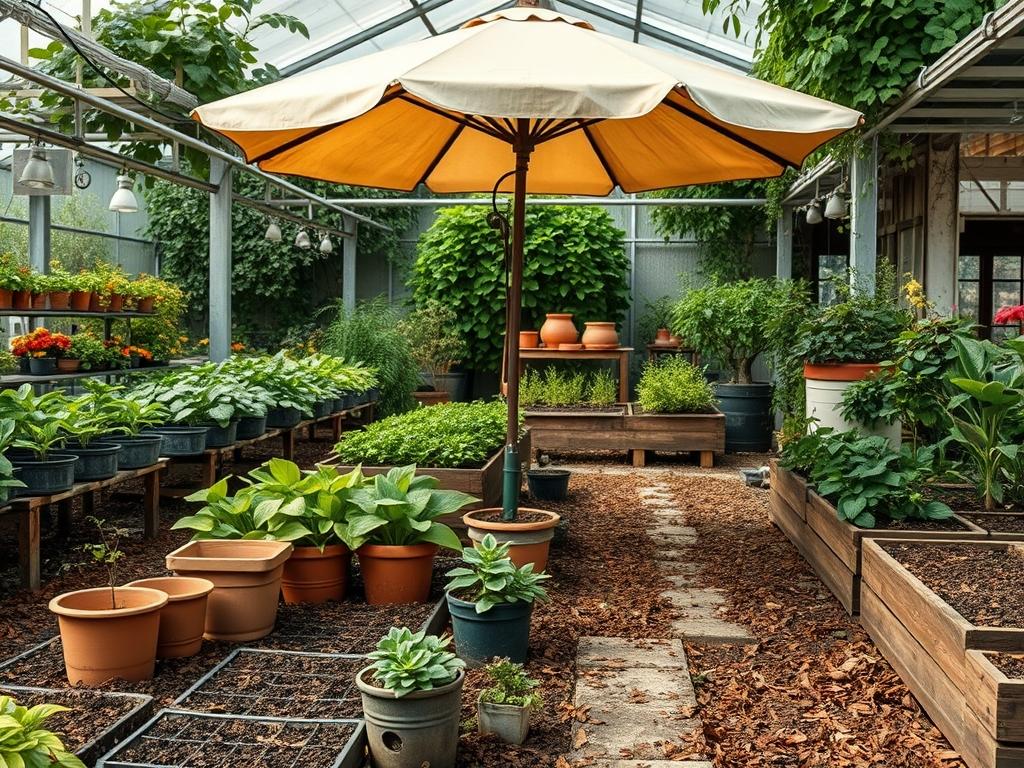
The integration of functional shade structures into a cohesive landscape design represents one of the most significant challenges for the modern outdoor environment consultant. A patio umbrella is not merely an accessory; it is a vital architectural element that defines the utility of the outdoor living room. When we consider climate factors such as high ultraviolet radiation, heavy precipitation, and localized wind gusts, the maintenance of the environment surrounding these structures becomes paramount. The aesthetic success of a backyard hinges on the relationship between hardscape elements and the softscape that frames them. A poorly maintained landscape, characterized by overgrown shrubbery or failing drainage, can lead to the rapid deterioration of high-quality fabrics like Sunbrella or Olefin. Organic matter, including falling leaves and wind-blown pollen, is the primary source of stains and mildew on a canvas. Therefore, protecting your investment in a patio umbrella requires a holistic approach to garden planning that prioritizes cleanliness, airflow, and structural integrity. By aligning the landscaping goals with the functional requirements of your shade solutions, you enhance both the curb appeal and the long-term viability of the entire outdoor space.
Landscape Design Principles
Modern landscape architecture relies on six fundamental pillars to create harmony between the built environment and the natural world. Symmetry serves as the initial framework, providing a sense of order that guides the eye toward a central focal point. In many residential designs, a high-quality cantilever umbrella acts as this anchor, mimicking the canopy of a large specimen tree without the decades-long wait for growth. Visual balance is achieved by mirroring plantings or structural elements on either side of this central axis, creating an environment that feels stable and intentional.
Elevation layers are equally critical in a professional plan. By utilizing Retaining walls and raised planters, a designer can create distinct zones for dining, lounging, and gardening. These layers do more than provide visual interest; they serve as a primary tool for managing site hydrology. Every professional layout must include a rigorous irrigation plan that delivers water directly to the root zones via Drip emitters or Soaker hoses. This targeted approach prevents the overspray of water onto furniture and umbrella canvases, which can lead to unsightly hard water spots and fabric degradation over time.
Walkways and circulation paths must be planned with a minimum width of 36 inches to allow for comfortable movement. We often utilize Flagstone, Decomposed granite, or Permeable pavers to ensure that rainwater infiltrates the soil rather than pooling on the surface. These material choices have a direct impact on the microclimate of the patio. For instance, lighter colored stones reflect light and reduce the ambient temperature, which protects the umbrella fabric from excessive heat absorption and subsequent color fading.
Plant and Material Selection
Selecting the right biological components is essential for minimizing the maintenance requirements of your patio area. The following table identifies high-performance plants that provide beauty without creating excessive debris that might soil your umbrella canvas.
| Plant Type | Sun Exposure | Soil Needs | Water Demand | Growth Speed | Maintenance Level |
| :— | :— | :— | :— | :— | :— |
| Lavandula angustifolia | Full Sun | Well-drained, Sandy | Low | Moderate | Low |
| Buxus microphylla | Full Sun to Shade | Loamy, Neutral pH | Moderate | Slow | Medium (Pruning) |
| Calamagrostis acutiflora | Full Sun | Varied, Moist | Low to Moderate | Fast | Very Low |
| Cornus sericea | Full Sun to Part Shade | Moist, Acidic | High | Fast | Medium |
| Sedum spectabile | Full Sun | Dry, Poor Soil | Very Low | Moderate | Low |
| Hydrangea macrophylla | Part Shade | Rich, Humus | High | Fast | High (Pruning) |
When choosing materials for the surrounding beds, Double-shredded hardwood mulch or River rock are preferred. These materials stay in place during heavy rain, preventing mud from splashing onto the lower edges of your umbrella or patio cushions.
Implementation Strategy
The successful implementation of a landscape plan begins with meticulous site preparation. We start with grading, ensuring the ground slopes away from the home and the patio at a rate of at least 2 percent. This translates to a quarter-inch drop for every foot of distance. Proper grading prevents water from collecting under the umbrella base, which can lead to rust or structural failure of the frame. Once the grade is established, we install Edge restraints made of Aluminum or Heavy-duty plastic to define the boundaries between lawns and garden beds.
Next, we address the sub-base for any hardscaping. A standard installation requires 4 to 6 inches of Crushed limestone or 3/4-inch minus gravel, compacted thoroughly using a Plate compactor. This foundation provides the stability needed for heavy patio furniture and ensures the umbrella remains level despite soil shifts. For drainage, we often incorporate French drains or NDS catch basins in low-lying areas. These systems channel excess water into a dedicated discharge zone or a Rain garden, protecting the canvas from high-humidity conditions that encourage mold growth. Finally, the application of 3 inches of mulch suppresses weeds and retains soil moisture, completing the installation with a clean, professional finish.
Common Landscaping Failures
The most frequent error in residential landscaping is the mismanagement of drainage. When water is allowed to stagnate near a patio, it creates a damp microclimate that is detrimental to both plants and outdoor fabrics. Soil compaction is another silent killer; when heavy machinery or constant foot traffic compresses the earth, oxygen cannot reach plant roots, and water cannot penetrate the surface. This leads to runoff that carries silt and organic tannins onto your Outdoor rugs and umbrella canvases, causing permanent staining.
Improper spacing is a secondary failure often seen in DIY projects. Homeowners frequently plant Boxwoods or Ornamental grasses too close to the patio edge. As these plants reach maturity, they crowd the walking space and rub against the umbrella fabric, transferring sap and insects. Furthermore, many designs fail to account for the root systems of large trees. Fast-growing species planted too close to a hardscape can lift Concrete slabs and disrupt the level surface required for umbrella stability. Lastly, inefficient irrigation systems that rely on high-arc Pop-up spray heads often drench the umbrella canvas daily. This constant wetting and drying cycle accelerates the breakdown of the fabric’s water-repellent coating and promotes the growth of algae.
Seasonal Maintenance
Landscape management is a year-round commitment that changes with the cycles of the environment. In the Spring, the focus is on cleanup and preparation. This is the time to remove winter debris, apply a fresh layer of Mulch, and inspect the Irrigation lines for leaks. It is also the ideal moment to perform a deep clean on your patio umbrella using a solution of Mild soap and Warm water, ensuring it is free of dust before the high-use season begins.
Summer maintenance involves rhythmic pruning and hydration management. During periods of extreme heat, we monitor the landscape for signs of stress and ensure that the umbrella is closed during high winds to prevent mechanical damage. In the Autumn, the priority shifts to leaf management. Fallen foliage should be removed immediately from the patio and the umbrella canvas to prevent tannin staining. Before the first frost, we blow out the Irrigation system with Air compressors to prevent pipe bursts and store the umbrella in a Protective breathable cover. Winter is the season for structural evaluation; we assess the landscape for drainage issues visible in the snowmelt and plan any necessary hardscape repairs for the coming year.
Professional Landscaping FAQ
How do I prevent my landscape from staining my umbrella?
Maintain a clear buffer zone of 2 feet between the umbrella and any overhanging branches. Use Rock mulch instead of wood chips near the base to reduce organic splashback during rainstorms. Regularly power wash the patio surface to remove tannin buildup.
What is the best way to handle poor patio drainage?
Install a French drain or a Linear slot drain along the perimeter of the patio. Ensure the surface has a 1 percent to 2 percent slope toward a designated runoff area to prevent water from pooling under your furniture.
How often should I mulch my garden beds?
Apply a fresh 2-inch to 3-inch layer of mulch once per year, preferably in early spring. This suppresses weed growth and maintains the soil temperature, which indirectly protects your outdoor fabrics from dust and organic debris kicked up from bare soil.
Can certain plants help cool my outdoor living space?
Yes, large-leafed deciduous plants provide natural transpiration that cools the air. Positioning Tall grasses or Shrubs to block the afternoon sun can reduce the heat load on your patio, extending the life of your umbrella canvas by reducing UV exposure.
What tools are essential for maintaining a clean patio area?
A high-quality Leaf blower, a Stiff-bristle broom, and a Pressure washer with a wide-angle nozzle are indispensable. These tools allow you to remove abrasive grit and organic matter from both the hardscape and the umbrella fabric before they cause damage.