
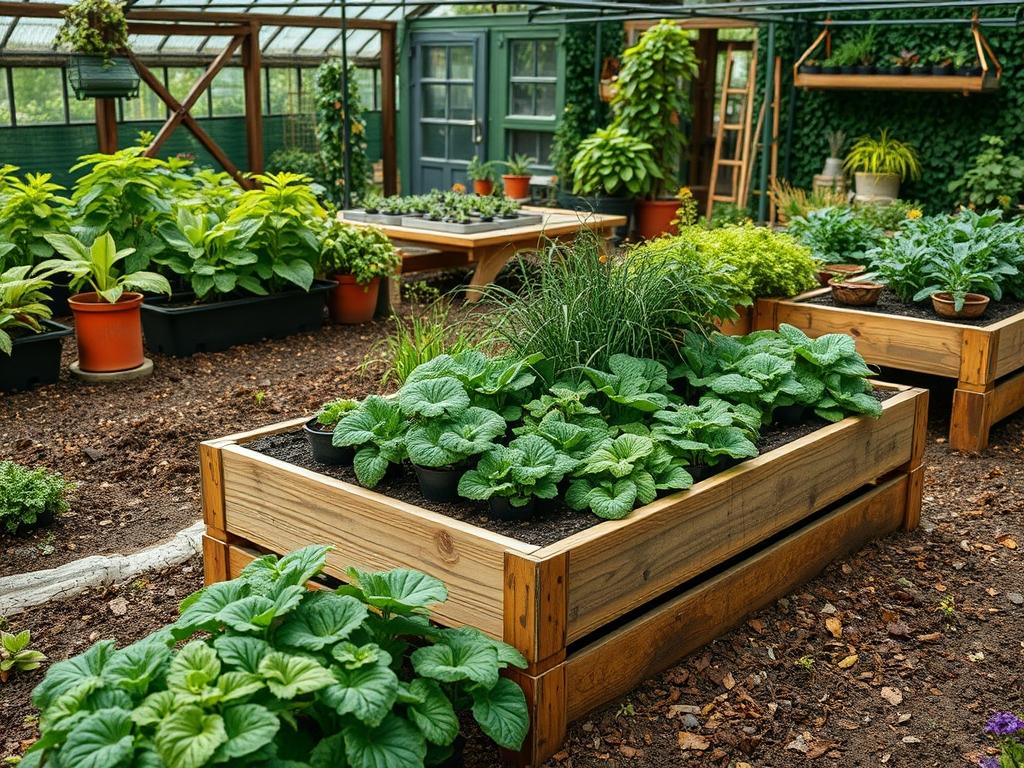
Transitioning a residential backyard from a standard turf lawn into a productive ecosystem necessitates more than just enthusiasm; it requires a structural understanding of spatial design and soil mechanics. The Raised Bed Vegetable Patch serves as a focal point that bridges the gap between ornamental aesthetics and functional food production. While traditional row cropping often feels utilitarian, raised structures allow for precise control over the growing medium, protecting crops from sub-optimal native soil conditions such as heavy clay, high salinity, or excessive alkalinity. This approach addresses the common landscaping challenge of poor site drainage while simultaneously creating a tiered visual interest that enhances the overall curb appeal of the property. By elevating the planting surface, we create a distinct outdoor room that defines the transition between leisure spaces and utility zones, ensuring the garden feels like an intentional architectural feature rather than an afterthought.
Successful outdoor environments depend on a balance of accessibility and productivity. In regions with harsh sun or unpredictable microclimates, a well-placed Raised Bed Vegetable Patch acts as a sustainable asset that reduces the physical strain of maintenance while maximizing the yield per square foot. From a consultant’s perspective, the primary goal is to integrate these beds so they complement the existing hardscaping, such as flagstone patios or retaining walls, rather than clashing with the home’s exterior lines. This creates a cohesive narrative where the vegetable patch performs a dual role: providing fresh produce and serving as a lush, green barrier that provides privacy and sensory appeal.
Landscape Design Principles
Effective landscape design relies on the principles of symmetry and focal points to create a sense of order. When planning a Raised Bed Vegetable Patch, the layout should mirror the geometric lines of the primary residence. For a formal look, centered rectangular beds can be arranged in a grid pattern separated by 36-inch gravel or mulch walkways. This width is essential, as it provides enough clearance for a standard wheelbarrow to pass through without damaging the structures. Alternatively, for a more organic or cottage-style aesthetic, beds can be staggered or built with curved edges using corrugated metal or flexible composite timber to follow the natural contours of the land.
Elevation layers are another critical design element. Varying the height of the beds, perhaps placing 12-inch beds for deep-rooted crops like carrots and parsnips next to 24-inch beds for tomatoes or trellised cucumbers, creates vertical interest and depths of field. This layering also improves ergonomics, allowing residents to tend to their plants without excessive bending. Vital to this planning is the integration of a dedicated irrigation system. Utilizing pvc piping or half-inch poly tubing hidden beneath the soil surface ensures that water is delivered directly to the root zones, minimizing evaporation and keeping the pathways dry and safe. Visual balance is further maintained by placing taller structures and arbors at the north end of the patch to prevent them from casting unwanted shadows on smaller, sun-sensitive herbs.
Plant and Material Selection
The longevity of a Raised Bed Vegetable Patch is dictated by the materials used for its construction and the Compatibility of the plant species selected. For the structure, untreated cedar and redwood are the gold standards due to their natural resistance to rot and insects. If using pressure-treated timber, ensure it is rated for ground contact and manufactured with modern, non-toxic preservatives. For the planting plan, variety should be selected based on the specific light cycles and heat retention of the raised bed environment.
| Plant Type | Sun Exposure | Soil Needs | Water Demand | Growth Speed | Maintenance Level |
| :— | :— | :— | :— | :— | :— |
| Heirloom Tomatoes | Full Sun | Heavy Compost | High (Consistent) | Fast | High (Pruning) |
| Lacinato Kale | Part Shade | Nitrogen Rich | Moderate | Medium | Low |
| Bell Peppers | Full Sun | Well Drained | Moderate | Medium | Medium |
| Bush Beans | Full Sun | Sandy Loam | Low | Very Fast | Low |
| Summer Squash | Full Sun | Loamy Mix | High | Fast | Medium |
| Cilantro | Part Shade | Moist Loam | Moderate | Fast | Moderate (Bolting) |
Implementation Strategy
Implementing a professional-grade garden layout begins with accurate site grading. Even though the beds themselves provide a level growing surface, the ground beneath them must be slightly sloped, ideally at a one percent to two percent grade, to facilitate moisture runoff away from the wooden frames. Once the site is cleared of existing sod, a layer of landscape fabric or heavy-duty cardboard should be laid down to suppress weed growth. For a more robust barrier against burrowing pests, install half-inch hardware cloth or galvanized chicken wire at the base of the beds before filling them with soil.
The filling process should follow a structured approach. A high-quality mix of one-third compost, one-third peat moss, and one-third vermiculite provides the aeration and nutrient density required for high yields. As the beds are filled, light tamping is necessary to prevent significant settling, but avoid heavy compaction which can suffocate roots. Once the soil level is approximately two inches below the rim of the bed, a layer of organic mulch, such as straw or shredded bark, should be applied to the surface. This mulch layer is essential for temperature regulation and preventing the topsoil from crusting over during heavy rains. Finally, the installation of edging around the perimeter of the bed area will create a clean line between the garden and the lawn, preventing grass from encroaching into the cultivated space.
Common Landscaping Failures
One of the most frequent errors in garden construction is improper drainage planning, leading to a phenomenon known as the perched water table. This occurs when a fine-textured soil is placed directly over a coarse material without a transition layer, causing water to pool and rot the roots. To avoid this, ensure the soil mix is consistent throughout the depth of the bed. Another failure is improper spacing, often referred to as root overcrowding. Beginners frequently underestimate the mature size of zucchini or sunflowers, leading to poor air circulation and the rapid spread of powdery mildew.
Soil compaction is another silent killer of productivity. Walking on the surface of the beds crushes the air pockets necessary for microbial life. This is why keeping beds to a maximum width of 4 feet is a non-negotiable standard; it allows a person to reach the center from either side without stepping inside. Furthermore, irrigation inefficiencies, such as overhead sprinkling, often lead to foliar diseases. A professional landscape setup should always prioritize drip irrigation or soaker hoses to keep moisture off the leaves and at the roots where it is needed most.
Seasonal Maintenance
Maintenance requirements fluctuate based on the calendar, and a successful Raised Bed Vegetable Patch requires a proactive management strategy. In the spring, the focus is on soil rejuvenation. Adding a two-inch layer of fresh compost restores the nitrogen and phosphorus depleted by the previous year’s crops. Check all irrigation emitters for clogs and repair any wooden boards that may have warped or shifted during the winter freeze and thaw cycles.
Summer demands vigilance regarding water management and pest control. During heatwaves, the elevated nature of the beds means the soil dries out faster than the ground. Re-applying mulch can help retain moisture. Autumn is the season for sanitation; removing spent plants and fallen fruit is vital to prevent pathogens from overwintering in the soil. This is also the time to plant cover crops like clover or winter rye to protect the soil from erosion. Finally, in winter, focus on hardscape preservation. If you live in a region with heavy snow, clearing the tops of the beds can prevent the weight from bowing the sides. Use this dormant period to plan crop rotations, ensuring that nightshades are not planted in the same location two years in a row to break pest cycles.
Professional Landscaping FAQ
What is the best material for long-lasting raised beds?
Rot-resistant cedar or redwood are the premier choices for timber beds. For a modern, industrial look, galvanized steel is extremely durable. Avoid using old railroad ties or pallet wood, as they often contain harmful chemical preservatives or toxins.
How deep should my raised bed be for vegetables?
A minimum depth of 12 inches is recommended for most crops. However, root vegetables like daikon radishes or large carrots benefit from 18 to 24 inches of depth to ensure there is ample room for downward growth and proper drainage.
Does a raised bed require a bottom barrier?
Yes, installing hardware cloth prevents gophers and moles from entering the bed. If you are placing the bed over aggressive lawn grass, a thick layer of corrugated cardboard will kill the grass while eventually decomposing into beneficial organic matter.
How do I manage irrigation for elevated beds?
The most efficient method is a drip irrigation system on an automatic timer. This delivers water directly to the base of the native plants or vegetables, reducing water waste and preventing the fungal issues associated with typical overhead sprayers.
Can I use backyard soil to fill my beds?
Using only native backyard soil is generally discouraged because it is often too heavy and lacks the porosity needed for raised environments. A blend of organic compost, sphagnum peat, and perlite ensures the bed remains aerated and nutrient-rich for years.