
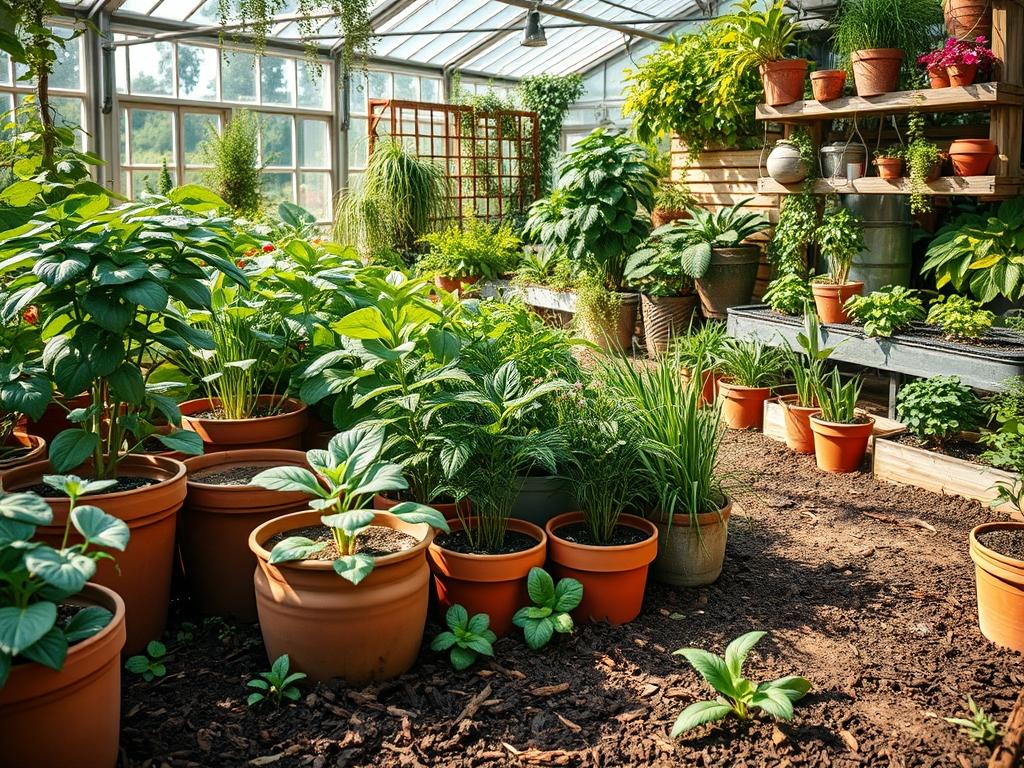
Designing a landscape is an exercise in negotiation between architectural aesthetics and biological safety. For the modern homeowner, the challenge lies in maintaining high curb appeal while ensuring that inquisitive pets remain protected from the inadvertent ingestion of toxic foliage. This balance requires a nuanced understanding of topiary, soil science, and animal behavior. It is not merely about choosing a vibrant flower; it is about understanding a plant’s chemical composition and how it interacts with the local microclimate. Functional outdoor living spaces require a cohesive strategy that accounts for elevation changes, moisture retention, and the physical pathways animals naturally carve through the environment. When these elements are ignored, the garden becomes a source of stress rather than a sanctuary. A well-planned, pet-friendly environment enhances property value by creating a durable, multi-functional space that survives the rigors of play while providing a lush, botanical backdrop.
Landscape Design Principles
Effective landscape design for pet owners begins with the concept of traffic flow. Dogs, in particular, tend to establish “patrol lines” along the perimeter of a property. Instead of fighting these natural inclinations with fragile hedges, a professional designer will integrate these paths into the layout. Using Flagstone or Decomposed Granite for specific walkways allows for a clear definition of space and prevents the lawn from becoming a muddy mess. Symmetry plays a vital role in grounding the viewer’s eye; however, it must be balanced with the functional reality of an active animal. By utilizing Focal points such as large, non-toxic ornamental boulders or a central water feature, you can draw attention away from high-traffic zones.
Elevation layers are equally important for creating visual depth. In a professional plan, we often use Retaining walls built from Natural Stone or Cast Concrete to create tiered planting beds. These elevated areas serve a dual purpose: they protect delicate Pet-Safe Garden Plants from being trampled and prevent pets from digging into the root systems of primary specimens. Irrigation planning must be addressed during the initial design phase to ensure that different zones receive appropriate moisture. Using a Drip irrigation system is often superior to traditional overhead sprayers in a pet-friendly yard. This method delivers water directly to the root zone, reducing surface mud and minimizing the growth of mold or fungi that could be harmful if licked or brushed against.
Visual balance is achieved by layering heights. We typically recommend a “three-tier” approach: a ground cover layer, a mid-story filler layer, and a canopy or tall shrub layer. For the ground layer, Creeping Thyme provides a resilient, scented carpet that withstands moderate foot traffic. The mid-story can feature lush, non-toxic options like Ferns or Snapdragons. Finally, tall architectural plants like Camellias provide the necessary height to frame the home. This structural hierarchy ensures that even if one area is temporarily disturbed by an energetic puppy, the overall aesthetic integrity of the landscape remains intact.
Plant and Material Selection
Selecting the right botanical specimens requires a rigorous check against toxicological databases. Many common ornamental plants, such as Azaleas or Sago Palms, are highly toxic to dogs and cats. The following table provides a selection of aesthetically pleasing, resilient, and safe options for your next project.
| Plant Type | Sun Exposure | Soil Needs | Water Demand | Growth Speed | Maintenance |
| :— | :— | :— | :— | :— | :— |
| Snapdragons | Full Sun | Well-Drained | Moderate | Medium | Low |
| Blue Echeveria | Full Sun | Sandy/Gritty | Low | Slow | Very Low |
| Rosemary | Full Sun | Poor to Average | Low | Fast | Pruning |
| Camellia | Partial Shade | Acidic/Rich | Moderate | Slow | Moderate |
| Zinnia | Full Sun | Fertile/Loamy | Moderate | Fast | Deadheading |
| Boston Fern | Full | Moist/Rich | High | Medium | High |
| Marigolds | Full Sun | Any | Moderate | Fast | Low |
Implementation Strategy
The transition from a design on paper to a physical landscape requires meticulous site preparation. Start with Grading. The ground must be sloped at a minimum of a 2 percent pitch away from the foundation of the home to ensure proper Drainage. In pet-friendly yards, standing water is a significant concern as it attracts mosquitoes and provides a breeding ground for bacteria. Once the grade is established, define your planting beds using Steel edging or Beveled bricks. These materials create a physical barrier that helps contain Mulch and prevents it from being scattered across the lawn.
When choosing a ground cover for planting beds, avoid Cocoa bean mulch, which contains substances similar to chocolate that are toxic to dogs. Instead, opt for Double-ground cedar mulch or Hemlock bark. These are far safer and offer natural pest-repellent properties. Aim for a 3 inch depth to suppress weeds and retain soil moisture effectively. If your pet likes to dig, consider installing Hexagonal poultry wire just below the surface of the soil in your flower beds. This invisible barrier discourages excavation without harming the animal or the plants.
For the turf areas, consider a hardy grass blend such as Kentucky Bluegrass or Tall Fescue. These varieties are resilient and can be repaired easily if “burn spots” occur from pet urine. To mitigate these spots, ensure your Irrigation system is programmed to provide a deep soak in the early morning hours, which dilutes nitrogen concentrations in the soil. Finalizing the implementation involves checking all Hardscaping for sharp edges or loose stones that could cause injury during high-speed play.
Common Landscaping Failures
One of the most frequent mistakes in residential landscaping is improper spacing, leading to root overcrowding. Homeowners often plant for immediate effect, forgetting that a 3 gallon shrub will eventually reach a 6 foot spread. Overcrowding creates poor airflow, which leads to powdery mildew and other fungal pathogens that may irritate a pet’s respiratory system. Always follow the professional spacing guidelines provided by your nursery to ensure long-term health.
Another critical failure is the mismanagement of Soil compaction. Heavy traffic from large dogs can compress the soil so tightly that oxygen can no longer reach the roots of your Native plants. This results in stunted growth and eventual plant death. Using Aeration tools twice a year is a necessary maintenance step for any yard with heavy animal activity. Additionally, irrigation inefficiencies often plague DIY projects. If the Irrigation heads are not properly adjusted, water may pool in corners, leading to root rot. A well-designed system uses Pressure-regulated heads and Rain sensors to maintain optimal hydration without oversaturation.
Finally, many fail to consider the “poisonous neighbor” effect. Even if your yard is safe, certain wind-dispersed seeds from neighboring properties can introduce toxic weeds. Professional maintenance includes regular scouting for invasive species like Castor Bean or Milkweed, which may pop up unexpectedly. Failure to maintain a clean Edging line also allows lawn chemicals or fertilizers to leach into sensitive planting areas, potentially harming pets who consume grass.
Seasonal Maintenance
Landscape management is a year-round commitment that changes with the cycles of the environment. In the Spring, the focus is on rejuvenation. This is the time to apply a pet-safe, organic fertilizer and to perform structural pruning on your Rosemary or Camellias. Check your Drainage basins for debris that may have accumulated over winter to prevent spring flooding.
During the Summer, hydration is the primary concern. High temperatures can cause even hardy Snapdragons to wilt. Ensure that your Irrigation timers are adjusted for the heat. It is also the peak season for pests; use Diatomaceous earth or Neem oil for pest control, as these are significantly safer for pets than synthetic carbamates or organophosphates.
In Autumn, leafy debris must be cleared regularly. Decomposing leaves can harbor toxic mold and hide fallen sticks that pose a choking hazard. This is also the best time to refresh your Mulch layers to insulate roots for the coming cold. In Winter, focus on protection. Use Burlap wraps for sensitive shrubs and avoid using chemical de-icers on paths near your plants. Many salt-based de-icers can cause chemical burns on pet paws and alter the pH of your soil, killing your Pet-Safe Garden Plants by spring.
Professional Landscaping FAQ
Which mulch is SAFEST for a yard with dogs?
Cedar mulch or Pine bark are the best choices. Avoid Cocoa bean mulch at all costs because it contains theobromine, which is toxic to dogs. Wood chips are generally safe but should be checked for large splinters.
How can I stop my dog from digging up my new plants?
Use Elevation like Retaining walls to keep plants out of reach. You can also bury Chicken wire slightly below the soil surface or place large River rocks around the base of new shrubs to discourage digging behavior effectively.
Are native plants always safe for pets?
No, being “native” does not guarantee safety. For example, Milkweed is a vital native plant for monarch butterflies but is toxic to dogs and cats. Always cross-reference Native plants with pet-safety databases before the installation process begins.
What is the best way to manage pet urine spots on the lawn?
Deep Irrigation is the most effective method to dilute the nitrogen. You can also plant a more resilient grass like Tall Fescue or create a designated “potty zone” using Pea gravel or Artificial turf with a specialized drainage sub-base.
Can I use professional fertilizers in a pet-friendly garden?
Yes, but you should select Organic fertilizers or those specifically labeled as “pet-safe.” Always wait the recommended 24 hours after application before allowing pets back onto the treated area to ensure the product has settled into the soil.