
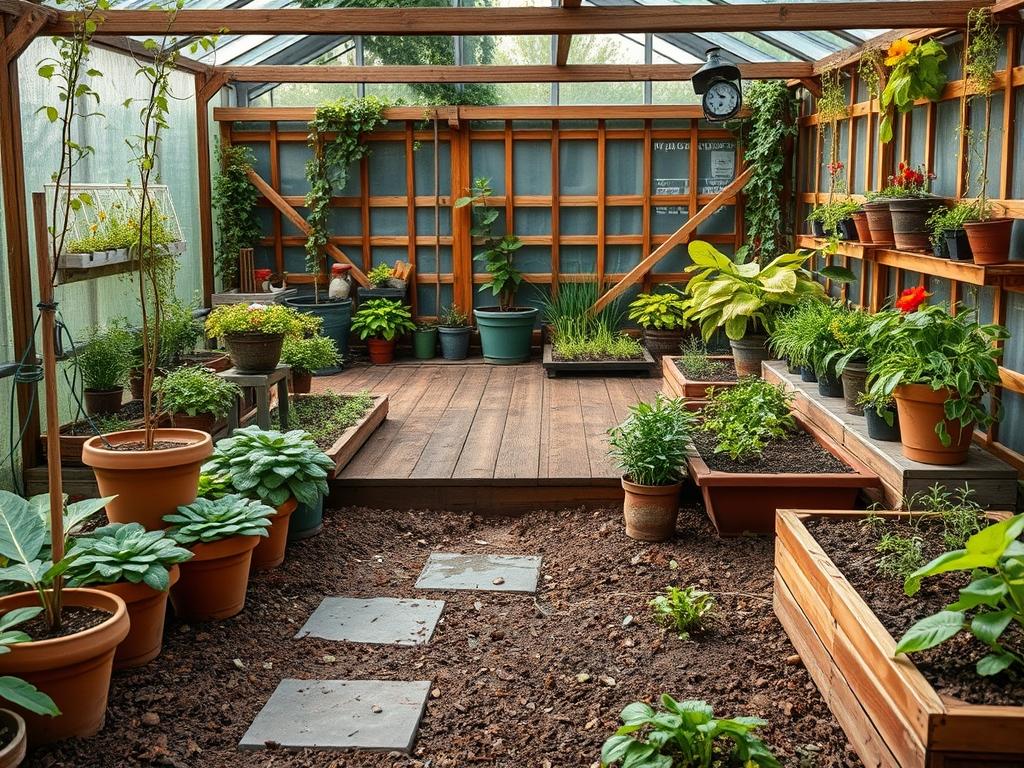
The challenge of designing a high-impact outdoor environment within a limited footprint requires a shift in perspective from horizontal breadth to vertical depth and multi-functional zoning. For many homeowners, a small backyard feels like a constraint; however, from a landscape architecture standpoint, these compact areas offer a unique opportunity to create a highly curated, intimate sanctuary. The successful execution of small backyard deck ideas depends heavily on understanding the site microclimate, soil composition, and the intended flow of movement between the interior and exterior. A well-placed deck does more than provide a level surface for furniture; it acts as a transition point that can visually expand the interior living room while masking awkward property lines.
When planning these structures, curb appeal and long term functionality must remain at the forefront of the design process. A deck that consumes the entire yard often creates a claustrophobic effect, whereas a deck that integrates seamlessly with softscaping elements provides a balanced, harmonious atmosphere. Proper orientation is vital to ensure the space remains usable throughout the day. We must account for the sun path to prevent the deck from becoming a heat trap in July or a shadowed, damp corner in October. By utilizing strategic elevation changes and high-quality materials, even a few hundred square feet can be transformed into a sophisticated lounge, dining area, or private retreat.
Landscape Design Principles
Effective small backyard deck ideas rely on the principle of spatial hierarchy. In a confined area, every square inch must justify its existence. Symmetry is often used to create a sense of order and formality, which can make a small space feel more intentional and less cluttered. Conversely, an asymmetrical layout can be used to lead the eye toward a specific focal point, such as a custom water feature, a sculptural Japanese Maple, or a high-end fire table. By breaking the deck into distinct elevation layers, you can define different functional “rooms” without the need for physical walls. For instance, a small 4-inch step down from a dining area to a lounging zone can psychologically separate the two spaces while maintaining an open feel.
Visual balance is achieved by counteracting the hard, linear edges of a wooden or composite deck with the soft, organic textures of surrounding plants. Irrigation planning should be integrated during the earliest phases of design to ensure that perimeter planters receive consistent moisture without compromising the structural integrity of the deck framing. Walkways should be designed to flow naturally from the deck’s exit points, using materials like flagstone or decomposed granite to create a textural contrast. Lighting also plays a critical role in design principles; recessed LED stair lights and discreet uplighting on specimen trees can extend the usability of the space into the evening hours and enhance safety.
Plant and Material Selection
Selecting the right biological and structural components is essential for maintaining the scale and health of a small backyard. The following table provides a breakdown of recommended species and materials that complement small deck installations.
| Plant Type | Sun Exposure | Soil Needs | Water Demand | Growth Speed | Maintenance Level |
| :— | :— | :— | :— | :— | :— |
| Boxwood (Buxus) | Full Sun to Shade | Well-Drained | Moderate | Slow | Medium (Requires Pruning) |
| Star Jasmine | Full Sun to Part Shade | Loamy/Rich | Moderate | Fast | Low (Needs Trellis) |
| Blue Fescue | Full Sun | Sandy/Dry | Low | Moderate | Very Low |
| Japanese Maple | Filtered Sunlight | Slightly Acidic | Moderate | Slow | Low |
| Creeping Jenny | Part Sun to Shade | Moist/Wet | High | Fast | Moderate (Spreads) |
| Lavender | Full Sun | Gritty/Alkaline | Very Low | Moderate | Low (Post-Bloom Trim) |
Beyond vegetation, material choice for the deck itself impacts maintenance and longevity. Capped composite decking is an excellent choice for small areas due to its resistance to rot and fading. For those preferring natural wood, Ipe or Western Red Cedar offer unmatched beauty, though they require annual sealing to maintain their hue.
Implementation Strategy
The transition from design to reality begins with meticulous site preparation. Grading is the most critical step; the ground beneath and around the deck must be sloped away from the home foundation at a minimum rate of 1/4 inch per foot. This prevents water from pooling, which can lead to mold, pest infestations, or structural degradation. Once the grade is established, a high-quality geotextile weed barrier should be laid down and covered with 3 inches of clean crushed stone. This layer facilitates drainage and prevents vegetation from growing through the deck boards.
Installing footings requires precision. In many regions, concrete sonotubes must be sunk below the frost line, which is typically 36 to 48 inches deep, to prevent shifting during seasonal freeze-thaw cycles. For the framing, use 3-inch stainless steel screws and heavy-duty joist hangers to ensure a rigid structure. When laying the deck boards, maintain a consistent 1/8-inch gap between planks to allow for thermal expansion and water runoff. Edging is the final structural touch. Using aluminum landscape edging or steel bender board around the perimeter creates a crisp line between the deck’s foundation and the mulch beds or lawn. Finally, apply a 3-inch layer of hardwood mulch to the surrounding garden beds to retain moisture and regulate soil temperature for your new plantings.
Common Landscaping Failures
The most frequent error in small backyard deck construction is neglecting subterranean drainage. Without a proper path for runoff, water can accumulate under the structure, leading to “cupping” of the wood boards and a persistent musty odor. Another common failure is root overcrowding. Many homeowners choose fast-growing privacy hedges but fail to account for the mature width of the root ball; over time, these roots can push against retaining walls or lift deck footings.
Soil compaction is another overlooked issue, particularly in urban backyards where heavy machinery or constant foot traffic has pressed the earth into a dense mass. Compressed soil lacks the oxygen pockets necessary for root respiration, leading to “drowning” even in moderate rain. Furthermore, improper spacing between the deck and the ground can restrict airflow. A minimum of 12 inches of clearance is recommended for natural wood decks to ensure they dry out properly after a storm. Finally, irrigation inefficiencies, such as spray heads hitting the wood siding or deck fascia, will cause premature rot and staining, regardless of the quality of the finish used.
Seasonal Maintenance
A proactive maintenance schedule ensures that your small backyard deck and its surrounding landscape remain in peak condition. In the spring, inspect the structure for any loose fasteners or boards. Use a soft-bristle brush and a pH-neutral cleaner to remove pollen and grime. This is also the time to apply a pre-emergent herbicide to the garden beds and check the irrigation controller for any leaks or clogged emitters.
During the summer, the focus shifts to hydration. Monitor the water demand of your plants, particularly those in containers on the deck, as they dry out faster than those in the ground. In autumn, clear away fallen leaves and organic debris from the deck surface and the gaps between boards. Organic matter trapped in these crevices holds moisture and accelerates decay. This is also the ideal time to prune any deciduous species and apply a fresh layer of mulch for winter insulation. Winter maintenance for a deck involves using a plastic shovel rather than a metal one to clear snow, as metal blades can gouge the surface. Avoid using harsh rock salt on the deck; stick to calcium chloride or sand to prevent chemical damage to the wood or composite finish.
Professional Landscaping FAQ
What is the best material for a low-maintenance small deck?
Capped composite decking is the industry standard for low maintenance. It resists fading, staining, and scratching without the need for annual sanding or sealing. Simply wash it with soap and water twice a year to maintain its appearance.
How can I make my small deck feel more private?
Utilize vertical elements like cedar lattices, custom pergolas, or tall, narrow plants such as Sky Rocket Junipers. These provide a visual barrier without occupying significant floor space, creating a secluded feel in dense neighborhoods.
Do I need a permit for a small backyard deck?
In most jurisdictions, any deck attached to the house or exceeding 30 inches in height requires a building permit. Always check local municipal codes regarding setbacks and structural requirements before breaking ground on your project.
Is lighting necessary for a small outdoor space?
High-quality lighting is essential for safety and ambiance. Using low-voltage LED systems to highlight pathways and stair treads prevents accidents while creating a sophisticated atmosphere. It also allows the garden to be viewed from inside during the winter.
How do I prevent weeds from growing under my deck?
Install a commercial-grade geotextile fabric over the soil before building the frame. Top the fabric with 2 to 3 inches of gravel to block sunlight and prevent seeds from germinating, while still allowing water to drain into the earth.