
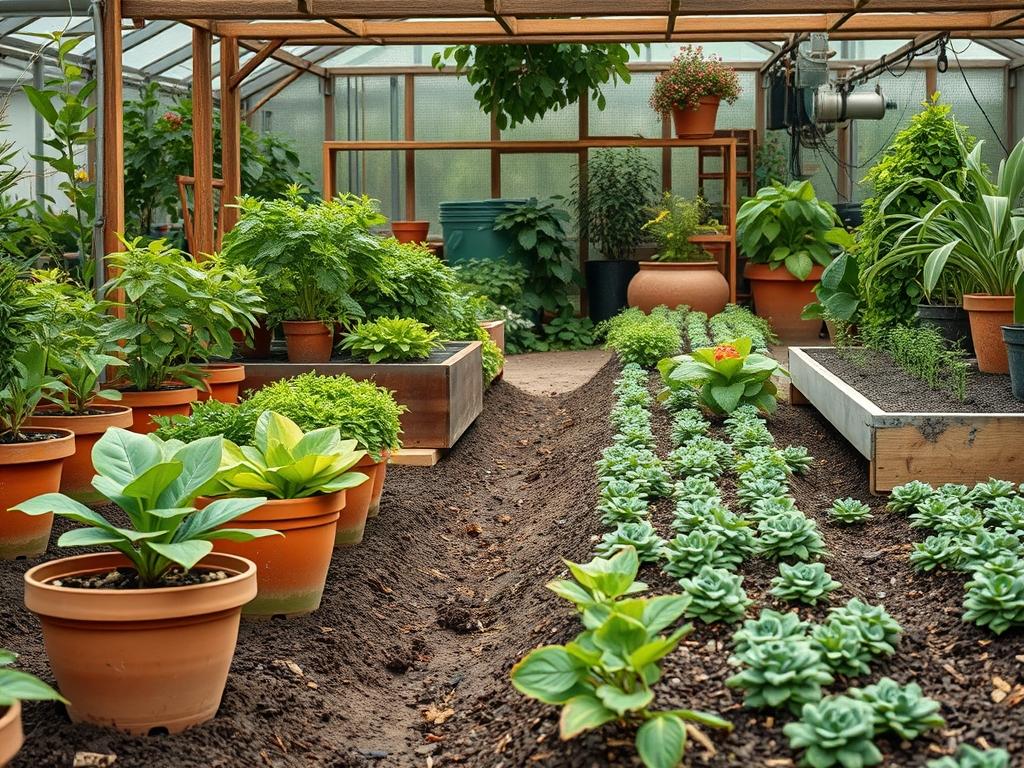
Transforming a standard residential lot into a functional ecosystem requires a shift from purely aesthetic gardening to integrated landscape architecture. The primary challenge in attracting backyard birds lies in balancing human lifestyle needs, such as curb appeal and outdoor entertaining spaces, with the specific survival requirements of local avian species. A successful wildlife oasis does not look like an untamed thicket; rather, it utilizes structured design to provide food, water, and shelter within a sophisticated framework. By considering the local climate and existing soil conditions, a professional designer can create a high performance landscape that increases property value while serving as a vital corridor for migratory and resident birds. This process demands a deep understanding of site grading, moisture management, and the vertical stratification of plant life.
Landscape Design Principles
The architecture of a bird friendly garden relies on the concept of vertical layering, which mimics the natural structure of a forest edge. Instead of a flat lawn bordered by a few flowers, a professional layout incorporates at least four distinct elevation layers: the overhead canopy, the understory, the shrub layer, and the herbaceous ground cover. This stratification provides various nesting heights and protection from predators.
Symmetry in a wildlife garden can be achieved through the strategic placement of structural elements like Retaining Walls and Flagstone walkways. While the interior of a planting bed may be dense and diverse, the “frame” of the garden should remain crisp. Hardscaping serves as the skeletal system of the yard. For example, a well placed Natural Stone focal point, such as a large decorative boulder or a tiered fountain, provides a visual anchor for the human eye and a functional perching spot for birds.
Walkways should be designed to guide traffic away from sensitive nesting areas while allowing residents to observe wildlife without causing stress to the animals. Using Crushed Gravel or Decomposed Granite for paths ensures excellent drainage and a satisfying tactile experience underfoot. Irrigation planning is equally critical; high efficiency Drip Irrigation systems should be installed to provide consistent moisture to native plants without the water waste associated with traditional spray heads. This targeted watering ensures that the “softscape” remains lush even during dry summer months, maintaining the cover that birds require.
Plant and Material Selection
Selecting the right biological components is the most critical phase of the design. Native species are preferred because they have co-evolved with local bird populations, providing the specific insects and berries that these birds need to survive.
| Plant Type | Sun Exposure | Soil Needs | Water Demand | Growth Speed | Maintenance Level |
| :— | :— | :— | :— | :— | :— |
| Eastern Red Cedar | Full Sun | Adaptable / Well Drained | Low | Moderate | Low |
| Serviceberry | Part Shade to Sun | Loamy / Acidic | Medium | Moderate | Medium |
| Purple Coneflower | Full Sun | Lean / Well Drained | Low | Fast | Low |
| American Beautyberry | Part Sun | Rich / Moist | Medium | Fast | Medium |
| White Oak | Full Sun | Deep / Loamy | Medium | Slow | Low |
| Switchgrass | Full Sun | Sandy to Clay | Low | Fast | Low |
For structural materials, use Premium Cedar Bark or Triple Shredded Hardwood Mulch to suppress weeds and retain moisture. These organic materials decompose over time, enriching the soil with nutrients that support the insect populations birds feed upon. Avoid using chemical fertilizers or pesticides, as these can be toxic to birds and eliminate their primary food sources.
Implementation Strategy
The transition from a blueprint to a living landscape begins with proper site preparation. First, the professional must address Grading. The land must be sloped at a minimum of 2% away from any permanent structures to ensure proper Drainage. If the site has heavy clay, a Tilling Machine should be used to incorporate organic compost to a depth of 8 inches, breaking up the “hardpan” and allowing roots to penetrate deeper into the earth.
Once the grade is set, define the bed edges using a Steel Edger or a Manual Spade. A clean, deep edge prevents turf grass from encroaching on bird habitats and gives the garden a manicured appearance. When installing plants, the “hole size” is vital; each hole should be 2 times as wide as the root ball but no deeper. This encourages lateral root growth, which stabilizes the plant against wind and erosion.
After the primary trees and shrubs are in the ground, apply a layer of Geotextile Fabric only under hardscape areas like paths. In the planting beds, skip the fabric and apply 3 inches of mulch directly to the soil. This allows ground nesting bees and other beneficial insects to access the earth, which in turn benefits the birds. Finally, install a dedicated Automatic Irrigation Clock with a rain sensor to manage the water delivery efficiently.
Common Landscaping Failures
The most frequent mistake in bird centric landscaping is improper spacing. Homeowners often plant for “instant impact,” placing shrubs too close together. As these plants mature, they compete for light and nutrients, leading to “leggy” growth and a lack of dense cover at the bottom of the plant. Overcrowding also restricts airflow, which invites fungal diseases that can decimate a garden.
Another failure involves Soil Compaction. Using heavy equipment during the construction phase can crush the soil structure, leaving it unable to absorb water. This leads to standing puddles that may attract mosquitoes rather than birds. Furthermore, poor Irrigation design often results in water being sprayed onto the foliage of plants rather than at the root zone. This is inefficient and can lead to leaf scorch or rot. Finally, the “cleanliness” trap is a common pitfall. Cutting back all seed heads and removing every fallen leaf in the autumn deprives birds of essential winter forage and nesting material.
Seasonal Maintenance
A wildlife oasis requires a different maintenance cadence than a traditional lawn. In the Spring, focus on light pruning and checking the Irrigation Lines for leaks. This is the time to clear out nesting boxes and ensure that water features are scrubbed of any algae buildup. Use a Pressure Washer on a low setting to clean stone paths without dislodging the joint sand.
During the Summer, the priority shifts to hydration. Monitor the soil moisture levels, especially for plants installed within the last year. If a heatwave occurs, increase the duration of the watering cycles but keep the frequency low to encourage deep root systems.
In Autumn, resist the urge to perform a “deep clean.” Leave the stalks of Perennials standing through the winter, as many birds rely on these dried seeds for food during the coldest months. Apply a fresh 2 inch layer of mulch if the previous layer has thinned.
Winter is the season for structural maintenance and “dormant pruning.” Use Bypass Pruners to remove dead or diseased wood from trees while the sap is not flowing. This helps prevent the spread of pathogens. Ensure that any bird baths are equipped with a Small Heater or a Bubbler to prevent the water from freezing solid; liquid water is often harder for birds to find than food in sub zero temperatures.
Professional Landscaping FAQ
How do I choose the best location for a bird bath?
Place water features in a shaded area within 10 feet of a shrub or tree. This allows birds to quickly retreat to cover if a predator appears while also keeping the water temperature cool during the summer.
What is the ideal mulch depth for bird habitats?
Maintain a depth of 3 inches using organic materials. This thickness suppresses weeds and retains moisture effectively while providing a foraging ground for ground feeding birds like thrashers and towhees who hunt for insects in the leaf litter.
Can I attract birds if I have a very small yard?
Yes. Focus on verticality by using Wall Trellises and climbing vines like Trumpet Honeysuckle. Small spaces benefit from “multi functional” plants that provide both nesting structure and food within a compact footprint, such as a dwarf Serviceberry.
Are chemical lawn treatments dangerous for backyard birds?
Most synthetic pesticides and herbicides are harmful. They eliminate the protein rich insects that birds need, especially during the nesting season. Switch to Organic Fertilizers and integrated pest management to ensure a safe environment for wildlife and pets.
How do I prevent birds from hitting my windows?
Locate bird feeders and baths either within 3 feet of a window or more than 15 feet away. This prevents birds from gaining enough speed to cause injury if they become confused by reflections on the glass panes.