
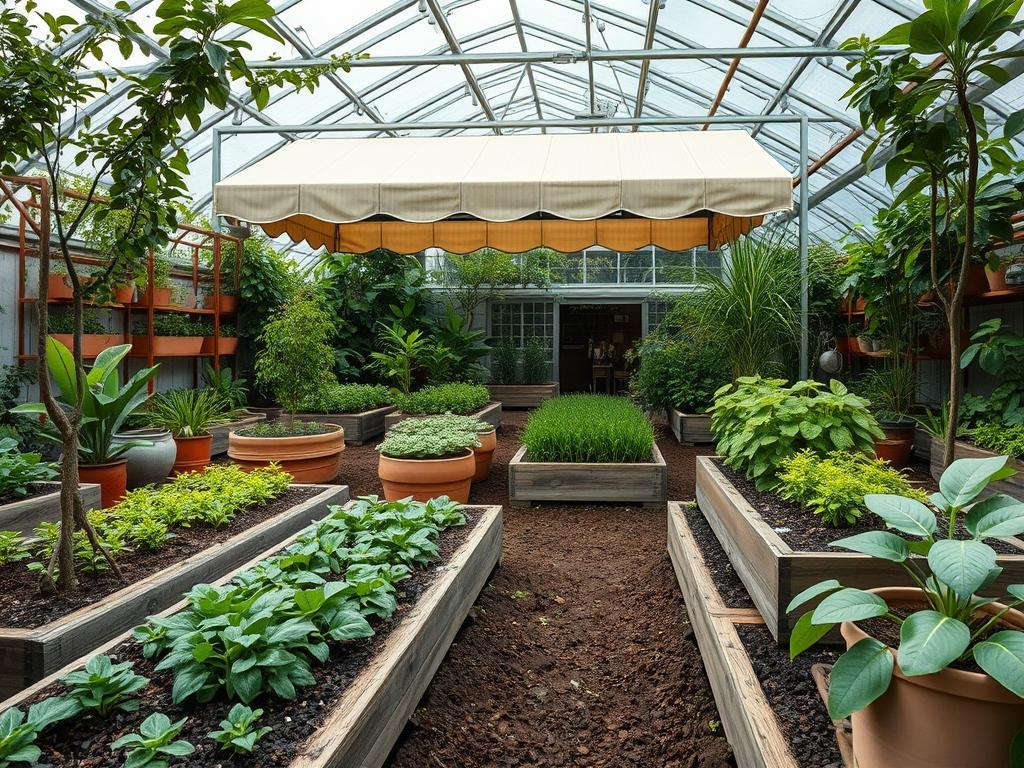
Developing a cohesive outdoor environment requires a delicate balance between structural permanence and biological fluidity. For many homeowners and commercial developers, the primary challenge remains the management of solar exposure and thermal gain on paved surfaces. High-end landscaping is no longer just about the selection of premium flora; it is about extending the interior envelope into the natural world. This is where the strategic integration of retractable backyard awnings becomes a pivotal design decision. These systems offer a dynamic response to the shifting angles of the sun, allowing for human comfort without the visual obstruction of permanent roof extensions. By providing on-demand shade, they protect expensive outdoor fabrics and sensitive understory plantings from the harsh mid-day ultraviolet rays that can lead to leaf scorch or material degradation.
From a landscape architect’s perspective, the installation of retractable backyard awnings serves a dual purpose: it enhances the aesthetic curb appeal of the rear elevation and creates a defined functional zone. Without a structural shade element, a patio often feels like a vast, unanchored expanse of masonry. The introduction of a retractable canopy introduces a ceiling height to the outdoor room, which instantly improves the psychological comfort of the space. It anchors the transition between the hardscape and the softscape, providing a visual bridge that aligns with the architectural lines of the primary residence. Furthermore, the ability to retract the unit ensures that during the winter months, when solar heat gain is desirable for the home’s interior, the landscape does not cast unwanted shadows that could increase heating costs or prevent the melting of ice on walkways.
Landscape Design Principles
Symmetry and visual balance are the hallmarks of a professionally designed backyard. When planning for retractable backyard awnings, one must consider the horizontal and vertical lines of the building facade. The awning should be scaled to the width of the patio or deck, usually extending between 10 feet and 15 feet to provide adequate coverage for dining sets or lounge furniture. Incorporating focal points is equally important. A well-placed stone fire pit or a custom water feature should be positioned at the edge of the awning’s reach, creating a destination that draws the eye outward from the shaded area into the sun-drenched garden.
Elevation layers provide depth and interest to the landscape. We often recommend using a combination of retaining walls and multi-level decking to define the “rooms” of the yard. The awning covers the primary seating transition zone, while lower elevations can house lush garden beds or open lawn. This layering effect is enhanced by irrigation planning. Areas under the awning will receive less natural rainfall, requiring a customized drip irrigation system or targeted hand-watering schedule for container plants located on the patio. Walkways should be designed to flow naturally from the sheltered zone, using permeable pavers or natural flagstone to lead guests through the various horticultural zones while managing water runoff effectively.
Plant and Material Selection
Selecting the right materials and plants is essential for ensuring the longevity of your landscape design. The following table highlights species that complement the microclimates created by retractable backyard awnings.
| Plant Type | Sun Exposure | Soil Needs | Water Demand | Growth Speed | Maintenance Level |
| :— | :— | :— | :— | :— | :— |
| Japanese Maple | Partial Shade | Well-Drained | Moderate | Slow | Low |
| Hostas | Full Shade | Loamy/Moist | High | Medium | Low |
| Boxwood | Sun to Shade | Neutral | Moderate | Slow | Medium |
| Daylilies | Full Sun | Adaptable | Low | Fast | Very Low |
| Creeping Thyme | Full Sun | Sandy/Dry | Low | Medium | Low |
| Hydrangea | Partial Sun | Rich/Humus | High | Fast | Medium |
When it comes to hardscaping materials, we prioritize natural stone, composite decking, and powder-coated aluminum for awning frames. These materials are chosen for their ability to withstand temperature fluctuations and moisture without warping or corroding. For the awning fabric, high-density solution-dyed acrylic is the industry standard, as it resists fading and mold growth while providing a high UPF rating for sun protection.
Implementation Strategy
The successful implementation of a garden layout begins with professional grading. Before any retractable backyard awnings are installed, the soil must be sloped away from the foundation at a minimum of 2 percent grade. This prevents water from pooling underneath the expanded canopy during heavy rain. The process continues with site layout planning, where we mark the footprint of the hardscape using marking paint and transit levels to ensure the ground is perfectly flat for furniture placement.
Once the grading is complete, we install the geotextile fabric beneath a layer of compacted gravel to provide a stable base for the patio walkers. For the softscaping, we utilize steel edging or tumbled brick to create clean borders between the mulch and the lawn. Mulch should be applied at a depth of 3 inches to retain moisture and suppress weeds, taking care not to pile it against the base of trees or shrubs. Drainage is further managed by the installation of a French drain or a dry creek bed, which catches the concentrated runoff from the awning’s leading edge during unexpected downpours. By coordinating the timing of the awning installation with the final planting phase, we ensure that the heavy equipment used for mounting the lateral arms does not damage newly installed perennials or sod.
Common Landscaping Failures
One of the most frequent mistakes in backyard planning is the neglect of drainage dynamics. When retractable backyard awnings are extended, they shed water in a concentrated line. If the landscape designer has not accounted for this concentrated flow, it can lead to soil erosion and the drowning of nearby plants. Another common failure is root overcrowding. Many homeowners plant large canopy trees too close to the home, failing to realize that the root ball will eventually lift the patio stones or interfere with the structural mounting of the awning.
Soil compaction is another silent killer in the landscape. Heavy foot traffic in the shaded zone under the awning compresses the soil, cutting off oxygen to plant roots and resulting in dead zones. To prevent this, architects often use crushed stone or steppers in high-traffic areas. Irrigation inefficiencies also pose a threat; specifically, the tendency to use the same watering schedule for both shaded and unshaded zones. Plants located directly under the exterior wall or awning projection will dry out faster due to the “rain shadow” effect, while those at the drip line may become waterlogged.
Seasonal Maintenance
Landscape management is a year-round commitment that changes with the seasons. In the spring, the focus should be on cleaning the awning fabric with a mild soap and checking the lateral arms for smooth operation. This is also the time to apply a slow-release fertilizer to the garden beds and prune any dead wood from winter-damaged shrubs. During the summer, the primary goal is moisture management. Ensure that the irrigation clock is adjusted to account for higher evaporation rates, particularly for container gardens living under the retractable backyard awnings.
As autumn arrives, it is time to clear the gutters and remove fallen leaves from the top of the awning fabric before retracting it for the season. This prevents organic matter from rotting inside the casing. Winter maintenance involves more than just snow removal; it requires the protection of sensitive plants using burlap wraps and the application of a pre-emergent herbicide to prevent early spring weed germination. The awning should remain fully retracted during heavy snowfalls to avoid structural damage from weight loads, ensuring it is ready for the first warm days of the following year.
Professional Landscaping FAQ
How do retractable backyard awnings affect my home’s resale value?
They significantly increase appraisal value by expanding usable square footage. High-quality sun shading is a sought-after feature for buyers looking for turnkey outdoor living spaces, providing a high return on investment for the homeowner.
Can I install an awning on any siding type?
Most systems are compatible with wood, brick, or stucco. However, professionals must ensure they are mounted into structural studs or headers using stainless steel lag bolts to handle the weight and wind torque.
What is the best way to handle rain runoff?
Integrate a sloped pebble border or a decorative river rock trench directly beneath the awning’s edge. This manages the concentrated water flow and prevents the soil from washing away during heavy summer thunderstorms.
How do I choose the right fabric color?
Lighter colors reflect more heat, keeping the patio cooler in summer. Darker shades offer a sophisticated look and hide debris more effectively. Always coordinate the fabric with the primary architectural accents of your home.
Do these awnings require professional electrical work?
Motorized versions require a GFI-protected outlet. While manual cranks are available, most modern landscapes incorporate hidden electrical conduits during the construction phase to provide a seamless, clean look for the automated retraction features.