
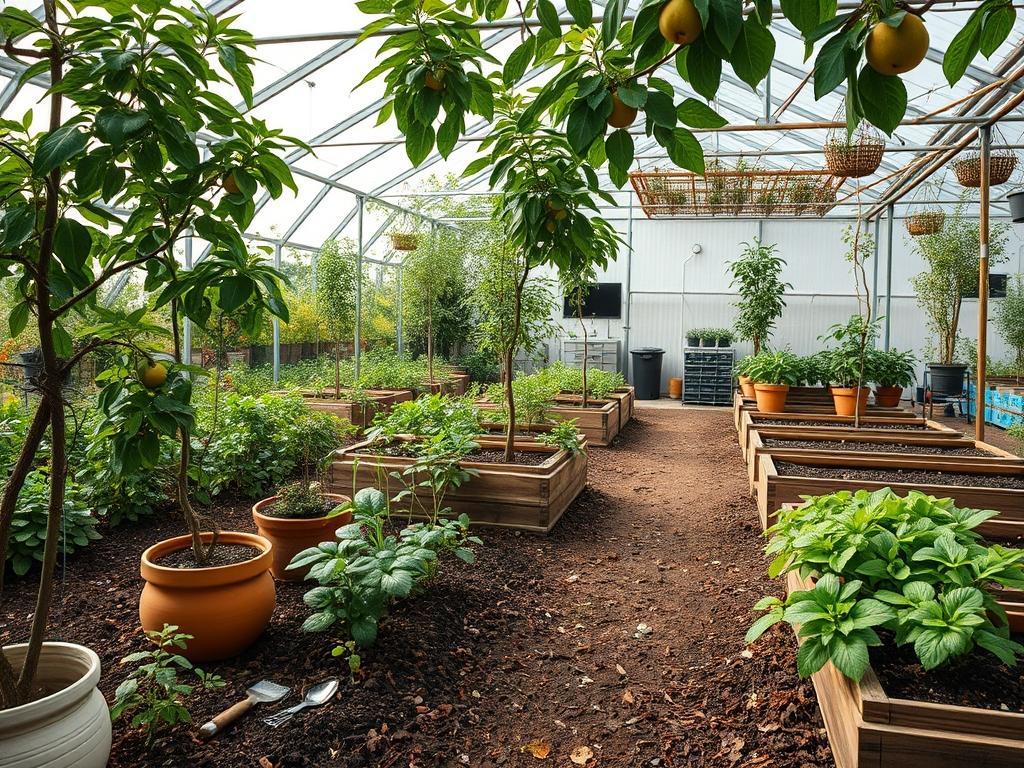
Transforming a standard residential lot into a productive edible landscape requires more than simply digging a hole and dropping in a sapling. Effective backyard fruit tree care begins with a comprehensive site analysis that evaluates microclimates, wind patterns, and solar orientation. Many homeowners view fruit trees as secondary additions to an existing garden. However, from a landscape architecture perspective, these specimens should function as structural anchors that provide both shade and aesthetic value. The challenge lies in balancing the biological needs of the tree with the functional needs of the outdoor living space. Proper planning ensures that your orchard does not become an overgrown thicket that shades out your lawn or drops messy fruit onto expensive hardscaping. When integrated correctly, fruit-bearing species enhance curb appeal by offering seasonal interest, ranging from delicate spring blossoms to vibrant autumnal foliage.
Landscape Design Principles
Successful orchard integration relies on the fundamental principles of symmetry and focal points. A single Peach Tree can serve as a stunning specimen plant in the center of a circular lawn, while a row of columnar Apple Trees creates a living screen that provides privacy from neighbors. When designing the layout, consider elevation layers. Place taller, standard-sized trees on the northern perimeter of the property to prevent them from casting long shadows over smaller shrubs or vegetable patches. This tiered approach maximizes photosynthesis across the entire landscape.
Walkways and access points are equally critical. You must plan for a “harvest corridor” that allows enough space for a wheelbarrow or a ladder to pass between specimens without damaging brittle branches. Proper irrigation planning should involve a dedicated zone for your trees; fruit production requires deep, infrequent watering rather than the shallow, frequent cycles used for turfgrass. By installing a subterranean drip system, you can deliver moisture directly to the root zone, reducing surface evaporation and preventing fungal diseases on the foliage. Visual balance is achieved by repeating textures or colors. For example, the silvery leaves of an Olive Tree can be echoed in the surrounding landscape with Mediterranean perennials like lavender or sage, creating a cohesive aesthetic that feels intentional rather than haphazard.
Plant and Material Selection
Selecting the right species involves matching the biological requirements of the tree to the specific constraints of your soil and climate. Use the following guide to determine which varieties suit your master plan.
| Plant Type | Sun Exposure | Soil Needs | Water Demand | Growth Speed | Maintenance Level |
| :— | :— | :— | :— | :— | :— |
| Honeycrisp Apple | Full Sun | Loamy, Well-Drained | Moderate | Medium | High (Pruning) |
| Meyer Lemon | Full Sun | Sandy, Acidic | High | Fast | Medium |
| Bing Cherry | Full Sun | Deep, Fertile | Moderate | Fast | High (Pest Control) |
| Bartlett Pear | Full Sun to Partial | Heavy Clay Tolerance | Moderate | Slow | Low |
| Brown Turkey Fig | Full Sun | Versatile / Poor Soil | Low | Fast | Very Low |
| Santa Rosa Plum | Full Sun | Well-Drained | Moderate | Medium | Medium |
Implementation Strategy
The implementation phase is where the technical precision of landscape engineering meets horticulture. Start by grading the site to ensure that water does not pool at the base of the trunk. If your backyard has heavy clay soil, consider planting on a slight mound or berm, approximately 6 to 12 inches above the surrounding grade. This improves oxygen availability to the fine feeder roots.
When you are ready to plant, excavate a hole that is twice as wide as the root ball but no deeper. The goal is to keep the graft union, the visible bump on the lower trunk where the fruiting variety meets the rootstock, at least 2 to 3 inches above the final soil line. Backfill the hole with native soil rather than heavy amendments; this encourages the roots to venture out into the surrounding landscape rather than circling within a pocket of artificial potting mix.
Once the tree is set, install professional-grade edging to define a “no-mow” zone. This protects the bark from string trimmer damage, which is a leading cause of young tree mortality. Apply a 3-inch layer of coarse organic mulch, such as arborist wood chips, around the base. Ensure the mulch does not touch the trunk itself, as this can trap moisture and invite rot or rodent damage. Finally, stake the tree only if you are in a high-wind area, using flexible ties that allow for slight movement to help the trunk develop structural strength.
Common Landscaping Failures
The most frequent error in backyard fruit tree care is improper spacing. A sapling in a 5-gallon pot looks deceptively small, but a standard Cherry Tree can eventually reach a canopy spread of 20 feet. Overcrowding leads to poor air circulation, which invites powdery mildew and fire blight. Furthermore, root overcrowding can lead to competition for nutrients, resulting in stunted growth and diminished fruit quality.
Compaction is another silent killer. High-traffic areas near outdoor kitchens or fire pits are poor locations for fruit trees because the weight of constant footfall compresses the soil pores, suffocating the roots. Drainage mistakes often occur when homeowners install decorative stone over landscape fabric around the base of the tree. While it looks clean, this setup often traps heat and prevents the soil from breathing. Lastly, avoid the “volcano mulching” trend where mulch is piled high against the bark. This practice creates a moist environment that encourages adventitious roots to grow from the trunk, which can eventually girdle and kill the tree.
Seasonal Maintenance
A professional maintenance schedule is divided into four distinct phases to ensure long-term vigor and fruit production. In the Spring, focus on “thinning” the fruit once it reaches the size of a marble. Removing roughly 30 to 50 percent of the developing fruit ensures the remaining harvest reaches a marketable size and prevents heavy branches from snapping under the weight. This is also the time to apply a balanced, slow-release fertilizer before the first flush of growth.
Summer maintenance is primarily about water management and monitoring for pests. Deep soakings every 7 to 10 days are essential during heat waves. Keep an eye out for aphids or mites on the undersides of leaves. Autumn is the season for sanitation. Remove all “mummy fruit” that remains on the branches and rake away fallen leaves. This prevents pathogens from overwintering in the debris.
Winter is the most critical period for backyard fruit tree care, as it is the time for structural pruning. Use sterilized hand pruners and lopping shears to remove the “Three Ds”: dead, damaged, or diseased wood. Open up the center of the canopy to allow sunlight to reach the interior branches. This “open center” or “vase shape” is ideal for stone fruits like peaches, while “central leader” pruning is better suited for apples and pears. Applying a dormant oil spray during this window can also smother scale insects and overwintering eggs without the need for harsh chemicals during the growing season.
Professional Landscaping FAQ
How far should I plant fruit trees from my house?
To protect your foundation and gutters, plant standard trees at least 15 to 20 feet away. Dwarf varieties can be placed as close as 8 to 10 feet from structures if managed with regular pruning.
Can I grow fruit trees in large containers?
Yes, dwarf or “patio” varieties thrive in containers that hold at least 15 to 20 gallons of soil. Ensure the pots have excellent drainage and use a high-quality potting medium specifically formulated for woody perennials.
What is the best mulch for fruit-bearing landscapes?
Coarse wood chips or shredded bark are superior to decorative gravel. Organic mulch breaks down over time, improving soil structure and introducing beneficial microbes that assist in nutrient uptake for the tree.
Should I fertilize my trees every year?
Not necessarily. Conduct a soil test every three years to check for deficiencies. Over-fertilizing with nitrogen can produce excessive leaf growth at the expense of fruit production and make the tree more attractive to pests.
How do I prevent “fruit drop” in early summer?
Early fruit drop is often a tree’s natural way of shedding excess load. However, consistent irrigation and proper thinning in late spring can minimize its severity and ensure the remaining fruit develops properly.