
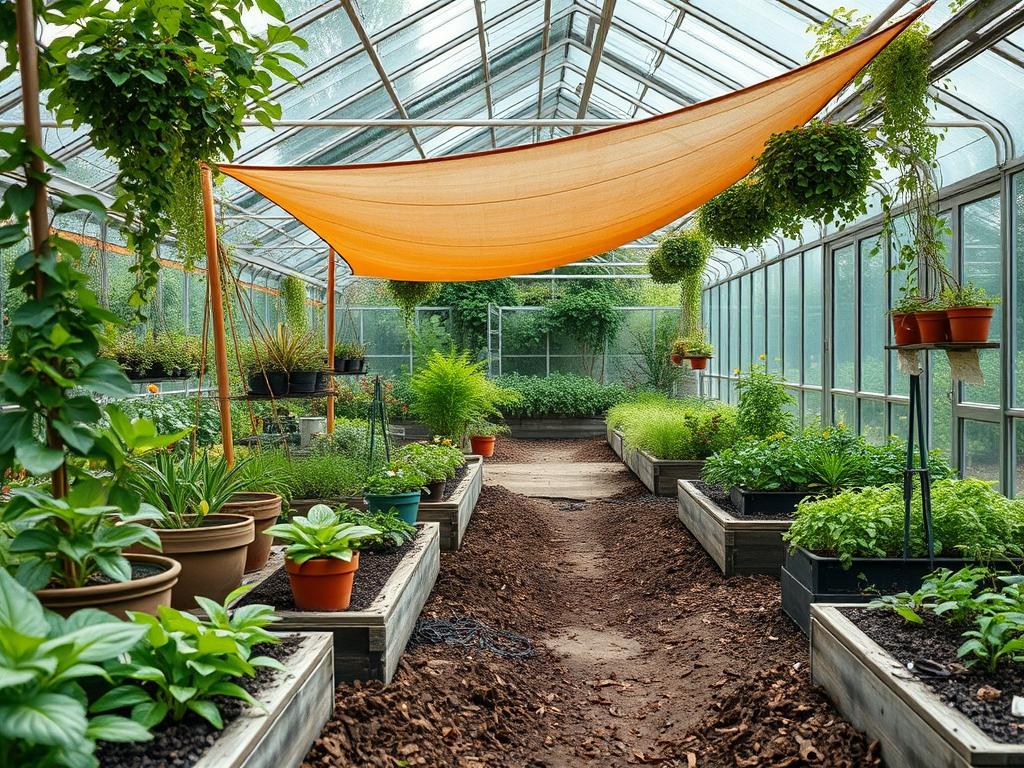
Modern landscape architecture often struggles with the balance between open air freedom and the physical discomfort of excessive heat gain. Homeowners frequently find themselves with beautiful patios that remain unused during the peak hours of summer sunlight. Integrating Shade Sail Design Ideas into a comprehensive master plan solves this problem by introducing functional art that manipulates the microclimate of a property. These tensioned fabric structures do more than provide relief from UV rays; they redefine the vertical dimension of a garden. By carefully calculating the suns path and placing anchors at varying heights, a consultant can influence the atmospheric quality of a specific zone, effectively extending the interior living space into the outdoors. This approach impacts curb appeal by adding architectural interest that traditional umbrellas or heavy wooden pergolas cannot match. When implemented correctly, a shade sail becomes a structural highlight that guides the eye upward, creating a sense of volume and enclosure without the claustrophobia of a solid roof.
Landscape Design Principles
Effective shade design relies on the core principles of balance, layering, and focal points. When planning a layout, a designer must consider the rule of three, where three sails overlapping at different heights create a dynamic, sculptural effect. This prevents the installation from looking like a flat, utilitarian tarp. Elevation is critical; by staggering the mounting points, you ensure that heat can escape from the sides, promoting a natural chimney effect that keeps the area beneath significantly cooler. Symmetry is not always the goal. In many modern environments, asymmetrical triangles offer a more contemporary aesthetic that aligns with naturalistic plantings.
The placement of these structures must also account for existing site conditions, such as natural stone walkways and retaining walls. A well-placed sail can act as a canopy for a transition zone, marking the path from a sun-drenched pool deck to a cool, shaded lounge. From a functional perspective, irrigation planning is paramount. Support posts must be sited away from underground PVC pipes and drainage lines. Furthermore, the visual balance of the yard is maintained by echoing the lines of the sail with the shape of the garden beds below. If a sail features sharp, geometric angles, softened edges in the landscape, such as curved steel edging, can provide a necessary visual contrast.
Plant and Material Selection
The following selections are optimized for environments utilizing shade sails, focusing on species that thrive in the transitional light produced by fabric canopies.
| Plant Type | Sun Exposure | Soil Needs | Water Demand | Growth Speed | Maintenance Level |
| :— | :— | :— | :— | :— | :— |
| Ostrich Fern | Full Shade | Moist, Organic | High | Moderate | Low |
| Japanese Maple | Partial Shade | Well-drained | Medium | Slow | Medium |
| Lavender | Full Sun | Sandy, Lean | Low | Fast | Medium |
| Hostas | Partial Shade | Loamy | Medium | Slow | Low |
| Creeping Thyme | Full Sun | Sandy/Gritty | Low | Moderate | Low |
| Boxwood | Partial Sun | Clay/Loam | Medium | Slow | High |
Selecting the right materials for the sail itself is just as important as the botany. Use High-Density Polyethylene (HDPE) fabric for its durability and breathability. For the hardware, insist on marine-grade 316 stainless steel turnbuckles and D-shackles to prevent rust and ensure the longevity of the tensioning system.
Implementation Strategy
The process begins with a rigorous site analysis to determine the solar arc during peak usage hours, typically between 12:00 PM and 4:00 PM. Once the shadow footprint is mapped, the grading of the area must be checked. Ensure the ground slopes away from the locations of the support posts at a rate of at least 2 percent to prevent water from pooling at the footings. For the installation of posts, drill holes to a minimum of 48 inches deep, or as required by local frost line codes, and fill them with 3000 PSI concrete. The posts themselves should be 4-inch diameter schedule 40 steel to withstand the significant lateral force generated by wind loads on the fabric.
Once the footings have cured for at least 7 days, the sail can be attached. Using a heavy-duty ratchet strap, pull the sail toward each anchor point before securing the turnbuckles. Proper tensioning is achieved when the center of the sail has minimal movement in a light breeze. Around the base of these posts, apply a 3-inch layer of organic cedar mulch to retain moisture for nearby plantings while suppressing weed growth. If the sail is positioned over a dining area, consider installing stabilized decomposed granite or pavers as the floor material to ensure a level surface for furniture.
Common Landscaping Failures
One of the most frequent errors in shade sail installation is a lack of adequate slope. A sail must be installed at a minimum 30-degree angle to allow rainwater to run off properly. Without this pitch, water will pool in the center of the fabric, causing it to stretch and eventually fail under the weight of the water. Another common failure involves subterranean neglect. Installing heavy steel posts without checking for utility lines or buried irrigation pipes can lead to costly repairs and site damage.
In the botanical realm, root overcrowding is a major issue when plants are placed too close to the structural footings. Large concrete footings can obstruct the natural spread of roots, leading to stunted growth or plant death. Additionally, improper soil compaction around the base of the posts can lead to shifting over time, which compromises the tension of the sail. Finally, many homeowners fail to account for the irrigation needs of plants that are now under a waterproof or water-resistant canopy. These “rain shadows” can lead to localized droughts in the garden bed, requiring the recalibration of drip irrigation emitters to compensate for the lack of natural rainfall.
Seasonal Maintenance
Landscape management is a year-round commitment. In the spring, inspect all stainless steel hardware for signs of wear and re-tension the sails as the fabric naturally expands with rising temperatures. This is also the time to apply a slow-release fertilizer to the Japanese Maples and Boxwoods located near the sail area. During the summer, use a soft-bristled brush and a mild detergent to clean any bird droppings or debris from the HDPE fabric. This prevents permanent staining and maintains the UV reflection properties of the material.
As autumn arrives, clear leaf litter from the top of the sails to prevent organic matter from rotting on the fabric. In regions prone to snow, the most critical winter task is the removal of the shade sail. The weight of even a light snowfall can exert thousands of pounds of pressure on the anchor points, potentially pulling out eye bolts or bending steel posts. Store the fabric in a dry, rodent-proof container until the following spring. Check the concrete footings for any frost heave or cracking that may have occurred during the freeze-thaw cycle, ensuring the structural integrity is ready for the next season of outdoor living.
Professional Landscaping FAQ
How deep should the footings be for shade sail posts?
For standard residential installations, footings should generally be 48 inches deep and 18 inches wide. This depth ensures stability against lateral wind loads and places the concrete safely below the frost line in most northern climates.
Can I attach a shade sail directly to my house?
Yes, but you must anchor into the structural framing, such as a rim joist or corner stud, using heavy-duty lag bolts. Never attach hardware only to the siding or fascia board, as these cannot handle the high tension.
Why is my shade sail sagging even after tightening?
Sagging often results from a lack of height variation between anchor points. Creating a hyperbolic parabaloid shape by alternating high and low points allows for better tension distribution and prevents the middle from dipping over time.
What is the best way to clean the fabric?
Use a garden hose and a solution of mild soap. Avoid pressure washers or harsh chemicals like bleach, which can damage the UV inhibitors in the polyethylene fibers and weaken the overall structural integrity of the weave.
How do I prevent the sail from flapping in the wind?
The key is sufficient tensioning using 316 stainless steel turnbuckles. If the sail is vibrating or “thumping” in the wind, it is likely under-tensioned. Properly tightened sails should feel as rigid as a drum head when struck.