
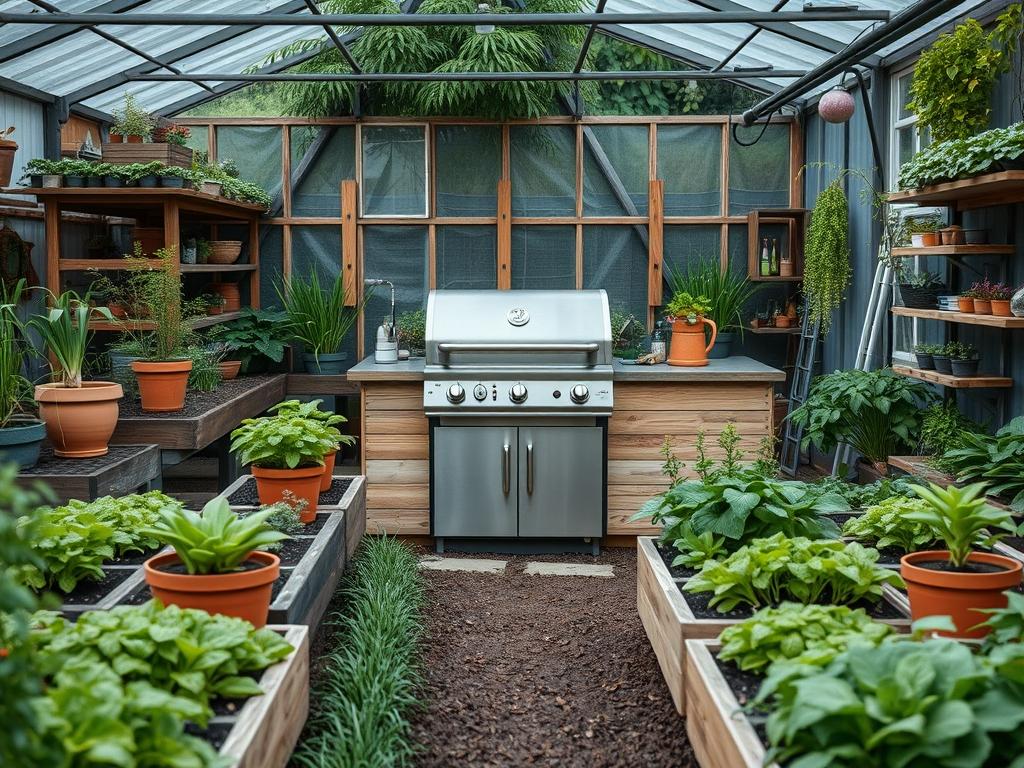
The transformation of a residential backyard from a simple patch of turf into a high-performance culinary environment requires more than just a premium grill. Modern Backyard BBQ Stations are professional-grade extensions of the home interior, demanding rigorous attention to spatial flow, material durability, and environmental integration. As a landscape architect, I view the BBQ station not as a standalone appliance but as the anchor of an outdoor living ecosystem. The challenge lies in balancing the intense heat and utility of the cooking zone with the aesthetic requirements of high-end landscaping. Climate considerations play a pivotal role here. A station designed for the humid Southeast must handle moisture differently than one in the arid Southwest. Proper planning ensures that the infrastructure, including gas lines, electrical conduits, and drainage systems, remains hidden yet accessible. High-functioning stations increase property value by providing a seamless transition between the kitchen and the garden, effectively doubling the usable entertaining space during peak seasons.
Landscape Design Principles
Effective backyard design relies on the core tenets of symmetry and focal points. When placing Backyard BBQ Stations, the grill often serves as the central axis. However, true functionality is achieved through the concept of the “Work Triangle,” adapted for the outdoors. This involves strategic spacing between the cooking surface, the preparation area, and the refrigeration unit. An efficient layout typically requires at least 36 inches of clear counter space on one side of the grill for food preparation and 24 inches on the other for landing hot platters. Elevation layers add both visual interest and utility. For instance, a tiered counter design can separate the “chef zone” from the “guest zone,” keeping onlookers safe from heat while maintaining social interaction.
Symmetry is often achieved through hardscaping elements like Retaining Walls or built-in planters that mirror the lines of the BBQ island. Visual balance is equally important; a massive stone station in a small yard can feel claustrophobic, while a tiny grill on a sprawling patio looks like an afterthought. I recommend using Walkways made of Natural Stone or Bluestone to guide traffic flow away from smoke paths. Irrigation must be diverted away from the foundation of the BBQ station to prevent settling, often requiring a dedicated sub-surface drainage map. Lighting should be layered, combining task lighting for the grill surface with ambient LED strip lights under the counter overhangs to define the perimeter at night.
Plant and Material Selection
The materials flanking your BBQ station must be non-combustible and resistant to grease stains. For plantings, the goal is to provide fragrance and privacy without encroaching on the heat source.
| Plant or Material | Sun Exposure | Soil Needs | Water Demand | Growth Speed | Maintenance Level |
| :— | :— | :— | :— | :— | :— |
| Rosemary | Full Sun | Sandy/Loamy | Low | Moderate | Low |
| Lavender | Full Sun | Well-drained | Low | Moderate | Low |
| Boxwood | Partial to Full | Rich/Moist | Moderate | Slow | Medium |
| Serviceberry | Partial Shade | Slightly Acidic | Moderate | Fast | Low |
| Granite | N/A | N/A | N/A | N/A | Low |
| Bluestone | N/A | N/A | N/A | N/A | Medium |
| Travertine | N/A | N/A | N/A | N/A | Medium |
For the structure itself, Granite remains the gold standard for countertops due to its heat resistance and low porosity. Beneath the counters, Stainless Steel cabinets provide a sleek, modern look while resisting rust in coastal environments. When selecting plants like Rosemary or Lavender, place them in raised Steel Planters near the prep area. This creates a functional herb garden that the chef can access instantly. Avoid using high-resin evergreens like pines or cedars directly adjacent to the grill, as their needles are highly flammable. Instead, use Boxwood for structured hedging to define the boundary of the cooking zone.
Implementation Strategy
The construction of Backyard BBQ Stations begins with site analysis and grading. You must ensure the ground is perfectly level to prevent the heavy structure from shifting over time. Start by excavating the footprint to a depth of 6 to 8 inches to allow for a compacted sub-base of Crushed Limestone. Use a Plate Compactor to stabilize this base, as this prevents the stone or brickwork from cracking during freeze-thaw cycles.
Once the base is set, install your utility lines. This includes PVC conduits for electrical wiring and Flexible Gas Lines. Always consult a professional for gas and electrical connections to ensure they meet local building codes. For the finish floor, use Permeable Pavers to manage runoff; these allow rainwater to seep into the ground rather than pooling around the chef’s feet. If you are building a masonry island, use Mortar specifically rated for high temperatures around the firebox area. Edging is the final structural step. Use Aluminum edging or Plastic landscape edging to create a crisp transition between the hardscape and the surrounding mulch. I recommend a Mulch depth of 3 inches to suppress weeds and retain moisture for the perimeter plants.
Common Landscaping Failures
The most frequent mistake in designing Backyard BBQ Stations is poor drainage. If the patio is not pitched at a rate of 1/4 inch per foot away from the house and the grill station, water will collect against the masonry. This leads to efflorescence, which is a white, powdery salt deposit that ruins the look of Natural Stone. Another common failure is root overcrowding. Planting large trees too close to the station can result in roots lifting the pavers or even cracking the gas lines within a few years.
Improper spacing is another critical error. If the BBQ station is too close to the house siding or under a low-hanging eave, heat and smoke can cause structural damage or staining. This also creates a fire hazard. Soil compaction is often overlooked during the construction phase; heavy machinery used to move stone can crush the soil structure in nearby planting beds, leading to poor plant health. Finally, never skip the “Wind Rose” analysis. If the prevailing winds blow directly from the grill toward your dining table or into the house windows, the BBQ station will be a source of irritation rather than enjoyment.
Seasonal Maintenance
A high-functioning BBQ station requires year-round care to preserve its integrity. In the spring, inspect all gas connections with a soapy water solution to check for leaks. Clear any debris from the burner tubes and check that the Irrigation heads are not spraying directly onto the Stainless Steel components, as mineral deposits can cause pitting. This is also the time to apply a fresh layer of Mulch to the surrounding beds.
During the summer, focus on the health of your culinary herbs. Prune the Rosemary and Lavender to encourage new growth and prevent the plants from becoming woody. In the autumn, leaf management is vital. Decaying leaves can stain Bluestone or Travertine if left to sit through the rainy season. Clear the gutters above the BBQ station to prevent overflows that can erode the mortar joints. Winter maintenance involves winterizing the water lines if your station includes an outdoor sink. Shut off the water from the interior valve and blow out the lines with an Air Compressor. Cover the grill with a heavy-duty, breathable fabric to protect it from snow and ice without trapping moisture underneath.
Professional Landscaping FAQ
How far should Backyard BBQ Stations be from the house?
A minimum distance of 10 feet is recommended for safety. This prevents heat damage to siding and ensures that smoke does not enter the home through open windows or vents. Check local fire codes for specific requirements in your municipality.
Which countertop material is best for direct sun?
Light-colored Granite or Travertine are ideal. These materials do not absorb as much heat as dark stones like Uba Tuba granite or soapstone, keeping the surface comfortable for food preparation even during the hottest hours of the afternoon.
How do I prevent grease stains on natural stone pavers?
Apply a high-quality Penetrating Sealer to the stone immediately after installation. For the area directly beneath the grill, consider using a Grill Mat or choosing a darker, textured paver that hides spills more effectively than light, porous stones.
Can I incorporate a fire pit near the BBQ station?
Yes, but you must maintain at least 15 feet of separation between the two heat sources. This creates distinct zones for cooking and socializing, preventing the area from becoming uncomfortably hot and allowing for better guest movement.
What is the best way to hide trash and recycling?
Incorporate a dual-bin Pull-out Drawer made of Stainless Steel directly into the cabinetry of the island. This keeps waste out of sight and protected from pests while remaining conveniently accessible to the person preparing the meal.