
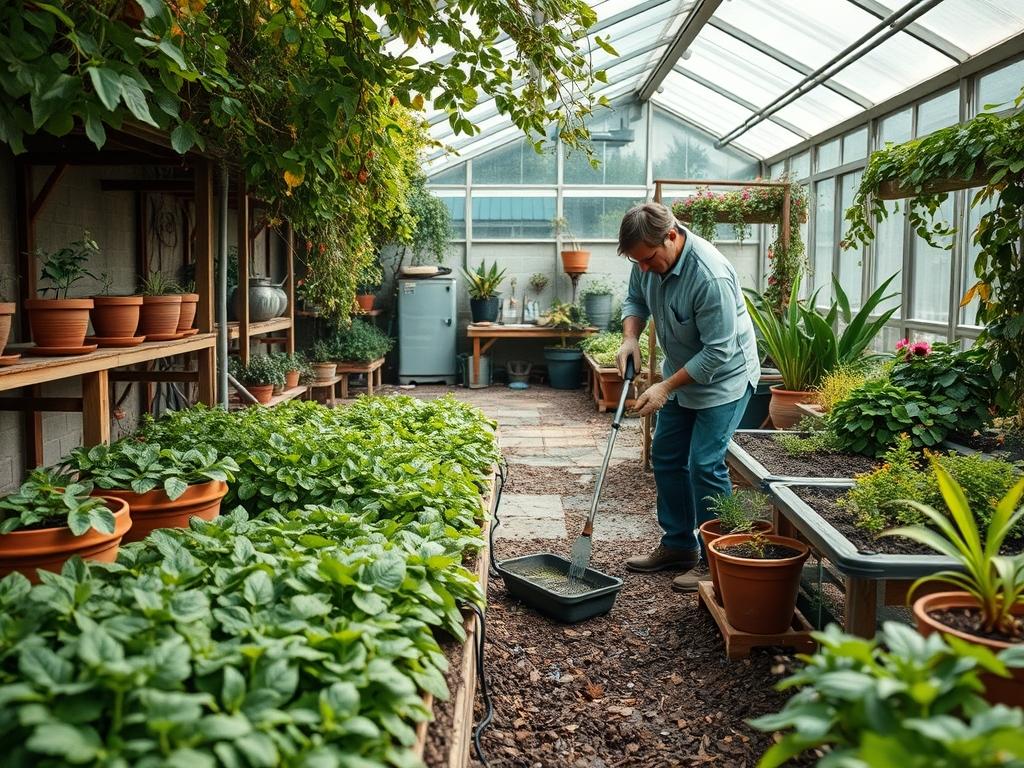
The integrity of a high-end landscape is often measured by the transition between structured hardscaping and the organic fluidity of the surrounding garden. A patio serves as the primary anchor for outdoor living; it is the stage upon which a home’s exterior aesthetic is performed. However, without a rigorous commitment to Seasonal Patio Cleaning, even the most sophisticated designs can succumb to the elements. Environmental factors such as moisture, UV radiation, and organic debris do not just create surface-level aesthetic issues; they can fundamentally compromise the structural integrity of your outdoor environment. In regions with high humidity, moss and lichen can penetrate the pores of natural stone, causing micro-fissures that expand during freeze-thaw cycles. In arid climates, accumulated dust and mineral deposits can etch the surface of concrete pavers, leading to permanent discoloration. Curb appeal is a direct byproduct of careful maintenance and technical foresight. A clean patio reflects a home that is managed with precision, extending the indoor luxury to the property line.
Landscape Design Principles
Successful garden planning relies on the marriage of geometry and ecology. Symmetry plays a vital role in formal landscapes, where the patio serves as an axial point. By aligning the center of the patio with the main architectural features of the home, such as a large sliding glass door or a central window, the architect creates a seamless visual flow. Focal points, whether they are a custom fire pit, a tiered water fountain, or a curated sculpture, should be positioned to draw the eye across the patio, encouraging movement and exploration.
Elevation layers are equally critical. A flat, one-dimensional backyard often feels uninspired. By introducing raised retaining walls or sunken seating areas, you create “outdoor rooms” that define specific functions. These changes in elevation also serve a practical purpose; they provide natural opportunities for integrated drainage systems. A well-designed patio should incorporate a subtle pitch of at least 1/8 inch per foot to ensure that water moves away from the foundation and into designated French drains or bioswales. Walkways should be designed with the same care, utilizing flagstone or interlocking pavers that complement the central patio while guiding visitors through transition zones marked by visual balance.
Plant and Material Selection
| Plant Type | Sun Exposure | Soil Needs | Water Demand | Growth Speed | Maintenance Level |
| :— | :— | :— | :— | :— | :— |
| Boxwood (Buxus) | Full to Partial | Well-drained, Loam | Moderate | Slow | High (Pruning) |
| Lavender (Lavandula) | Full Sun | Sandy, Alkaline | Low | Medium | Low |
| Japanese Maple | Partial Shade | Slightly Acidic | Moderate | Slow | Medium |
| Blue Fescue | Full Sun | Well-drained | Low | Medium | Very Low |
| Hydrangea | Part Shade | Rich, Moist | High | Fast | Medium |
| Creeping Thyme | Full Sun | Poor to Average | Low | Fast | Low |
Implementation Strategy
The execution of a professional landscape begins with a comprehensive topographical assessment. Before a single stone is laid, the site must be graded to prevent pooling. This involves removing the topsoil and creating a sub-base of 4 inches to 6 inches of compacted crushed stone. This layer acts as the skeletal structure of your patio, providing stability and facilitating internal drainage.
Once the base is set, a layer of 1 inch of bedding sand is applied to provide a perfectly level surface for the pavers. As you lay the stones, use a rubber mallet to set each piece, ensuring the gaps are uniform. These joints should be filled with polymeric sand, which hardens when misted with water to prevent weed growth and insect intrusion.
For the surrounding garden, define the edges of the patio with professional-grade metal edging or a soldier course of upright bricks. This prevents the lawn from encroaching on the hardscape. When planting, maintain a distance of at least 2 feet between the patio edge and the root ball of larger shrubs to prevent future root heave. Apply a 3-inch layer of hardwood mulch to the surrounding beds. This not only suppresses weeds but also regulates soil temperature and moisture, protecting the delicate transition between the stone and the soil.
Common Landscaping Failures
The most frequent failure in residential landscaping is the neglect of subsurface drainage. When water is allowed to sit beneath a patio, it creates hydrostatic pressure that can lift heavy bluestone or travertine tiles, leading to an uneven and dangerous surface. Another common error is root overcrowding. Homeowners often choose plants based on their size at the nursery, failing to account for their mature canopy and root spread. Over time, aggressive root systems from species like the Weeping Willow or certain Oak varieties can crack heavy foundations and lift retaining walls.
Improper spacing also affects the longevity of the plant material itself. Without adequate airflow, moisture remains trapped against the foliage, leading to fungal infections like powdery mildew. Soil compaction is another silent killer; heavy foot traffic or the use of heavy machinery during construction can crush the air pockets in the soil, suffocating plant roots. Lastly, irrigation inefficiencies, such as spray heads that constantly soak the patio stones rather than the plants, lead to mineral staining and accelerate the need for Seasonal Patio Cleaning to remove unsightly white efflorescence.
Seasonal Maintenance
To preserve the aesthetic and structural integrity of your outdoor living space, maintenance must be treated as a four-part annual cycle. In the Spring, the focus is on recovery. Use a stiff-bristle brush and a solution of oxygen bleach mixed with water to remove the algae and grime accumulated during the winter. Inspect the joints for any missing polymeric sand and replenish as needed. This prevents water from seeping under the stones during the rainy season.
Summer maintenance is centered on irrigation and weed management. Ensure your drip irrigation system is functioning correctly and that no water is pooling near the patio edges. For Seasonal Patio Cleaning during the hotter months, a simple rinse with a garden hose every two weeks will prevent dust and pollen from baking into the stone surface under the intense sun.
Autumn requires the most labor-intensive debris management. Fallen leaves must be cleared immediately. When left to sit on damp stone, leaves release tannins that can create deep, permanent stains. Use a leaf blower or a plastic rake to keep the surface clear. Finally, in Winter, avoid the use of harsh rock salt or chemical de-icers. These substances can penetrate the pores of the stone and cause “spalling,” where the top layer of the material flakes off. Instead, use plain sand for traction, and ensure that snow shovels used on the patio are plastic-tipped to avoid scratching the surface.
Professional Landscaping FAQ
How often should I seal my patio pavers?
Professional-grade sealants should generally be reapplied every 3 to 5 years. This timeline depends on the level of foot traffic and the intensity of UV exposure. Sealing protects against oil stains and color fading while enhancing the stone’s natural hue.
Can I use a pressure washer for Seasonal Patio Cleaning?
Yes, but use caution. Set the equipment to a maximum of 2,000 PSI and use a wide fan tip. High-pressure streams can etch the surface of certain stones or blast away the vital polymeric sand located in the joints.
What is the best way to handle patio weeds?
The most effective method is prevention through the use of polymeric sand. If weeds do appear, avoid generic sprays that may stain the stone. Instead, use a propane torch for spot-treating or manually pull them to ensure the root is removed.
Why are my patio stones turning white?
This is likely efflorescence, a natural process where mineral salts rise to the surface of concrete or brick. It can be cleaned using a specialized efflorescence remover and a scrub brush. Proper drainage usually prevents this from recurring frequently.
How do I choose between natural stone and pavers?
Natural stone offers unique aesthetics and longevity but requires more specialized care. Concrete pavers are more uniform, easier to install, and often more cost-effective. Consider your home’s architectural style and your long-term maintenance budget before making a final decision.