
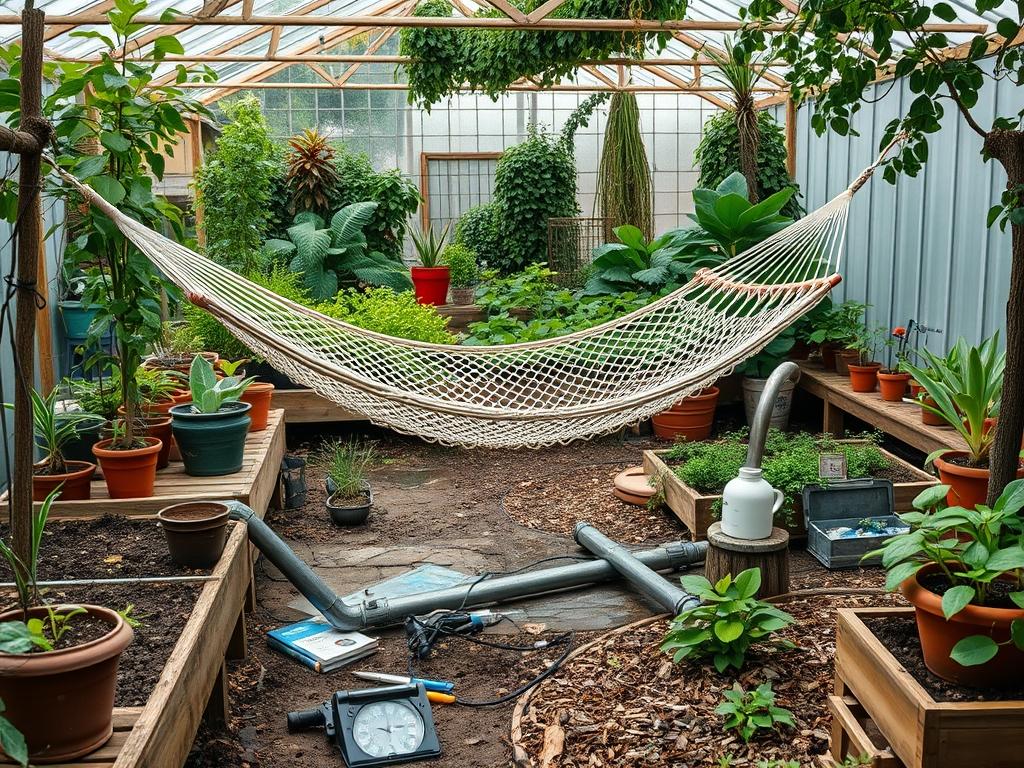
Successful Backyard Hammock Placement requires a sophisticated understanding of spatial dynamics, botanical health, and site engineering. While many homeowners view a hammock as a temporary accessory, a professional landscape architect perceives it as a fixed destination point that dictates the flow of the entire outdoor environment. The challenge lies in integrating this leisure element without disrupting the ecological balance or the visual narrative of the garden. Proper placement must account for shifting sun patterns, prevailing wind directions, and the long term structural integrity of the supports, whether they are organic or architectural. A poorly placed hammock can become an eyesore that interrupts sightlines from the primary residence or, worse, a safety hazard that damages specimen trees. By treating the hammock as a cornerstone of the landscape design, you ensure that it enhances curb appeal while providing a functional sanctuary that feels like a natural extension of the home.
Landscape Design Principles
Achieving a harmonious Backyard Hammock Placement begins with the principle of focal points and visual balance. In a professionally designed landscape, the hammock should occupy a “sub-zone” that offers privacy without feeling disconnected from the rest of the yard. We often use the concept of the “view cone,” where the person reclining in the hammock is treated to a curated vista of the garden most aesthetic features. This may involve aligning the hammock with a water feature, a blooming Hydrangea macrophylla, or a distant mountain view. Symmetry plays a role when using matching wooden posts, whereas an asymmetrical approach works best when tucking the hammock into a wooded corner.
Elevation layers are equally critical. A hammock should ideally be positioned on a slightly elevated portion of the lot to ensure proper drainage and to provide a sense of psychological security. If the ground is flat, we create artificial elevation through the use of retaining walls or raised planting beds that frame the area. This technique also helps define the transition from “active” zones, like a patio or outdoor kitchen, to “passive” zones. Irrigation planning is another overlooked principle. You must ensure that high frequency spray heads are not directed at the hammock area to prevent wood rot on posts or mildew on the fabric. Subsurface drip irrigation is the preferred method for the surrounding flora to keep the ground dry and stable underfoot.
Plant and Material Selection
The vegetation surrounding your hammock dictates the microclimate of your relaxation zone. Selecting the right species ensures structural support and provides the necessary canopy for shade in the summer months.
| Plant Type | Sun Exposure | Soil Needs | Water Demand | Growth Speed | Maintenance Level |
| :— | :— | :— | :— | :— | :— |
| Quercus virginiana (Live Oak) | Full Sun | Well-drained | Moderate | Slow | Low |
| Acer rubrum (Red Maple) | Full to Partial | Moist, Acidic | High | Fast | Medium |
| Gleditsia triacanthos (Honey Locust) | Full Sun | Versatile | Low | Fast | Low |
| Cedrus deodara (Deodar Cedar) | Full Sun | Deep, Sandy | Low | Medium | Low |
| Taxodium distichum (Bald Cypress) | Full Sun | Wet to Moist | High | Fast | Medium |
| Lavandula angustifolia (Lavender) | Full Sun | Gritty, Lean | Low | Medium | High (Pruning) |
| Trachelospermum jasminoides | Partial Shade | Loamy | Moderate | Fast | Medium |
For the ground plane, we recommend utilizing high durability materials that can withstand localized soil compaction. Decomposed granite, pea gravel, or a thick 12-foot diameter circle of hardwood mulch prevents the area from becoming a muddy bowl. For a more structured look, flagstone pavers set in sand provide a stable landing for the user.
Implementation Strategy
The actual execution of Backyard Hammock Placement involves a multi step process that prioritizes site preparation. First, conduct a site survey to identify underground utility lines or existing irrigation pipes before any digging occurs. Once the location is cleared, grading is the next priority. The area beneath the hammock should be graded at a 2 percent slope away from the center to prevent water from pooling. If you are installing permanent 6×6 pressure treated lumber posts, they should be set at least 36 inches deep in a concrete footer with a gravel base for drainage.
After the structural elements are secure, define the perimeter using steel edging or cobblestone borders. This creates a crisp line between the lawn and the hammock zone. Apply a landscape fabric over the graded soil to suppress weeds, then layer 4 inches of your chosen mulch or aggregate. If you are using trees for support, utilize wide tree saver straps rather than hooks or bolts to protect the cambium layer of the bark. Finally, install mid-story plantings like Ilex glabra to provide a windbreak and visual screen, completing the sense of a “garden room.”
Common Landscaping Failures
The most frequent error in Backyard Hammock Placement is neglecting long term tree health. Girdling a tree by using thin ropes or permanent hardware can kill a specimen within a few seasons. Furthermore, root overcrowding occurs when homeowners plant “privacy screens” too close to the support trees, leading to competition for nutrients and water. Soil compaction is another silent killer. Constant foot traffic in a small radius around the hammock compresses the soil, squeezing out oxygen and preventing water from reaching the roots of nearby plants.
Irrigation inefficiencies are also common. Placing a hammock in a low spot of the yard where water naturally collects leads to mosquito breeding grounds and accelerated hardware corrosion. We also see many failures regarding the “hang angle.” Professionally, we aim for a 30 degree angle from the horizontal to the strap. If the tension is too high, the horizontal force on the posts or trees can exceed several thousand pounds, leading to structural failure. Lastly, ignore the “falling zone” at your peril. A hammock should never be placed over hardscaping like concrete or sharp-edged boulders without a soft “impact layer” of mulch or grass.
Seasonal Maintenance
Maintenance requirements fluctuate with the transition of the seasons, particularly in temperate climates. In the spring, inspect all hardware for oxidation and check the tension of the support straps. This is also the time to apply a fresh 2 inch layer of cedar mulch to replenish the ground cover and provide a clean scent. Check the surrounding trees for “bleeding” or signs of bark distress where the straps are located.
During the summer, focus on irrigation monitoring. The plants surrounding the hammock may need supplemental hand watering if they are located under a dense canopy that blocks rainfall. Autumn is the season for heavy pruning. Clear away any deadwood or “widow makers” from the branches overhead to ensure safety. Once the leaves drop, it is a professional best practice to remove the hammock fabric entirely and store it in a dry, pest-free environment. For the winter months, focus on the hardscaping. If you have permanent posts, apply a water repellent sealer to the wood to prevent checking and splitting during freeze-thaw cycles. Ensure that the graded area remains clear of heavy snow piles which can cause localized soil saturation and “heaving.”
Professional Landscaping FAQ
How far apart should my hammock posts be?
For a standard 12-foot hammock, your support posts should be spaced between 14 and 16 feet apart. This allows for the ideal 30-degree hang angle and accounts for the length of the mounting hardware and height adjustments.
What is the best way to prevent mud under a hammock?
Excavate the area to a depth of 6 inches, install a permeable landscape fabric, and fill it with pea gravel or decomposed granite. This creates a high-drainage surface that remains dry regardless of foot traffic or heavy rain.
Can I hang a hammock from young trees?
Professional architects advise against using trees with a diameter of less than 12 inches at the point of attachment. Younger trees lack the structural heartwood to support the lateral tension and may suffer permanent trunk curvature or terminal growth failure.
Should I use a spreader bar hammock or a traditional style?
Traditional hammocks are easier to integrate into naturalistic, wooded designs and offer more stability. Spreader bar models are better for “focal point” placement in modern landscapes but require wider spacing and a more precise, flat landing zone for safety.
How do I hide a hammock from the street?
Layer your plantings using the “staggered height” method. Place a 6-foot evergreen hedge like Thuja occidentalis at the property line, followed by mid-sized ornamental grasses like Miscanthus, to create an acoustic and visual buffer for your relaxation area.