
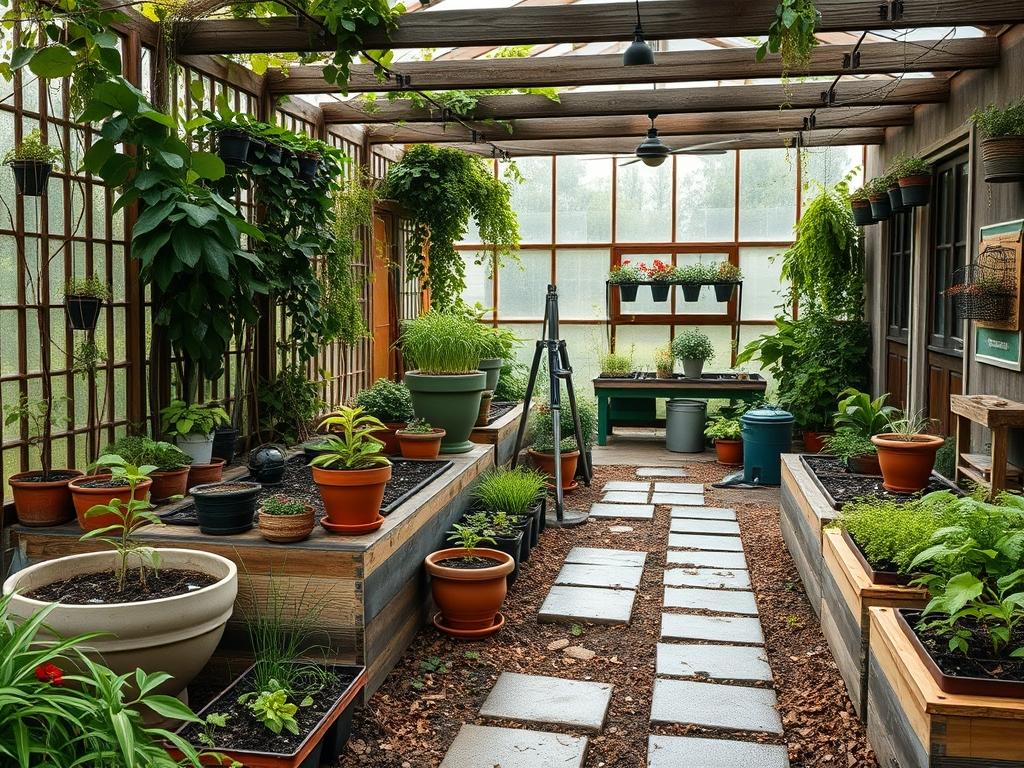
Designing a landscape that accommodates significant changes in elevation requires a shift in perspective from traditional flat-surface planning. When homeowners encounter a sloped lot, they often view the topography as a structural liability; however, an experienced landscape architect recognizes these gradients as an opportunity to create distinct outdoor rooms. Multi-Level Backyard Patios offer the most effective solution for transforming unusable hillsides into functional, high-value living spaces. These structures provide natural zones for different activities, such as a high-elevation dining area that transitions down to a secluded fire pit or a pool deck. Beyond the immediate aesthetic appeal, these tiered environments manage soil erosion and improve site drainage, which are critical factors for long-term property stability. Achieving a professional result requires a rigorous focus on structural integrity and the seamless integration of hardscaping with organic elements.
Successful site planning for Multi-Level Backyard Patios depends heavily on the local climate and the intended frequency of use. In regions prone to heavy rainfall, the transition between levels must act as a sophisticated water management system. Without proper grading and the strategic placement of permeable materials, lower levels can become swampy or prone to flooding. Furthermore, the orientation of the patios should maximize or mitigate sun exposure based on the local environment. In northern climates, capturing the afternoon sun on a primary upper deck can extend the outdoor season by several weeks. Conversely, in arid environments, the lower levels of a tiered patio might be designed as a cool retreat, utilizing the shadows cast by higher retaining walls to maintain comfortable temperatures. Every decision, from the depth of a foundation to the species of a perimeter hedge, dictates how the space will feel and function five years after the initial installation.
Landscape Design Principles
The architecture of a multi-level space must prioritize visual balance and human ergonomics. Symmetry can be used to create a formal, classical atmosphere, while asymmetrical layouts often feel more modern and organic. To achieve balance, a designer might pair a large Concrete Paver dining area on the top level with a smaller, more intimate Flagstone seating area below. Focal points are essential for guiding the eye through the different elevations. A well-placed Water Feature or a sculptural piece of Outdoor Furniture on a mid-level landing provides a visual “rest” for the observer, preventing the verticality of the project from feeling overwhelming.
Elevation layers should serve as clear indicators of function. The highest level, usually closest to the house, typically serves as an extension of the indoor kitchen. The middle tiers act as transition zones, often housing gardens or walkways, while the lowest tier provides the most privacy. Transitioning between these layers requires thoughtful walkway design. Stone Treads should be wide enough for two people to walk side by side, generally requiring a width of at least 48 inches. The rise and run of the stairs must remain consistent to prevent tripping hazards; a standard 6-inch rise and 12-inch run is often preferred for outdoor comfort. Finally, irrigation planning must account for the way water moves across levels. Gravity will naturally pull moisture to the lower tiers, meaning the top-level plantings may require more robust Drip Irrigation systems, while the lowest levels may benefit from more moisture-tolerant species.
Plant and Material Selection
| Plant Type | Sun Exposure | Soil Needs | Water Demand | Growth Speed | Maintenance Level |
| :— | :— | :— | :— | :— | :— |
| Boxwood | Full Sun to Part Shade | Loamy, well-drained | Medium | Slow | Low |
| Lavender | Full Sun | Sandy, alkaline | Low | Moderate | Low |
| Creeping Thyme | Full Sun | Well-drained | Low | Moderate | Low |
| Hydrangea | Partial Shade | Rich, moist | High | Fast | Moderate |
| Ornamental Grass | Full Sun | Adaptable | Low | Fast | Very Low |
| Japanese Maple | Partial Shade | Acidic, loamy | Medium | Slow | Moderate |
When selecting materials for Multi-Level Backyard Patios, durability is paramount. Natural Stone like slate or granite offers a timeless look but requires a higher labor investment for installation. Manufactured Pavers provide consistency in thickness, which simplifies the leveling process for multiple tiers. For the structural components, Segmental Retaining Wall Blocks are frequently used because they are engineered to interlock and withstand the lateral pressure of the earth. Any wall exceeding 36 inches in height typically requires an engineer’s review to ensure it can handle the weight of the soil and any additional surcharge loads from the patios above.
Implementation Strategy
The planning phase begins with a detailed topographical survey. You must determine the exact vertical drop from the house foundation to the lowest point of the yard. This measurement dictates the number of levels and the height of each Retaining Wall. Once the layout is marked using Landscaping Stakes and Layout String, grading can begin. It is vital to remove all organic matter and topsoil from the footprint of the patio, as these materials will decompose and lead to settling over time.
For each level, the excavation should reach a depth that allows for a 6-inch base of 3/4-inch Crushed Stone and a 1-inch layer of Bedding Sand. Compaction is the most critical step in this process. Use a Plate Compactor every 2 inches of gravel thickness to ensure a solid foundation. Between the native soil and the gravel base, lay a high-quality Geotextile Fabric to prevent the different layers of material from mixing. This fabric also helps with stabilization and weed suppression.
Drainage must be integrated into the base of every level. Install a Perforated Drain Pipe (French Drain) behind each retaining wall, wrapped in a Filter Fabric and surrounded by Clean Gravel. This pipe should daylight at the lowest point of the property or connect to a storm sewer. Once the hardscaping is complete, edging should be installed to lock the Pavers in place. For the finishing touch, apply a 2-inch depth of Hardwood Mulch to the surrounding garden beds to retain moisture and regulate soil temperature for the new plantings.
Common Landscaping Failures
The most frequent error in the construction of Multi-Level Backyard Patios is the “bathtub effect” caused by poor drainage planning. If water is allowed to pool behind a retaining wall or beneath a patio surface, it will eventually cause the wall to bow or the pavers to heave. Another significant failure is the use of improper fill material. Using native soil to fill the area behind a wall often leads to massive settlement; only Crushed Stone or Flowable Fill should be used for backfilling structural areas.
Planting mistakes also compromise the longevity of the project. Root overcrowding occurs when designers place large trees too close to the patio edges. As the tree matures, its roots can lift heavy Flagstone and crack Concrete Footings. Furthermore, failing to account for soil compaction can lead to irrigation inefficiencies. Heavily compacted soil around a patio prevents water from penetrating to the roots of nearby plants, leading to a phenomenon known as “dry rot” where the plant appears to be overwatered but is actually dying of thirst.
Seasonal Maintenance
Seasonal care ensures that the structural and organic elements of the patio remain in peak condition. During the spring, focus on cleaning the patio surfaces with a Pressure Washer on a low setting to remove mold or moss buildup. Check the joints between pavers; if the Polymeric Sand has washed away, it should be replenished to prevent weed growth and shifting. Prune any Perennials or Shrubs that have grown over the walkways to maintain clear passage between levels.
Summer maintenance involves monitoring the Irrigation System for leaks or clogged emitters. Because multi-level sites have different microclimates, some tiers may dry out faster than others during heatwaves. In the autumn, the primary goal is leaf removal. Decomposing organic matter can stain Natural Stone and clog the drainage holes in Retaining Walls. Before the first frost, blow out any underground irrigation lines to prevent pipes from bursting. Winter maintenance for Multi-Level Backyard Patios should be cautious; avoid using harsh de-icing salts on modern pavers. Instead, use Sand or Calcium Chloride to provide traction on steps and walkways without damaging the masonry.
Professional Landscaping FAQ
How much height can a single retaining wall hold safely?
Most residential codes allow for a wall height of 36 to 48 inches without a structural engineer’s seal. Walls exceeding this height require specific reinforcement, like Geogrid, to handle the increased lateral earth pressure and ensure long-term stability.
What is the best material for high-traffic patio stairs?
Large-format Natural Stone Slabs or Precast Concrete Steps are ideal. These materials offer the weight necessary for stability and a consistent surface texture that reduces slip hazards during rain, providing a safe transition between patio elevations.
Do I need a landing between different patio levels?
If the vertical rise between levels exceeds 60 inches, a landing is recommended for safety and comfort. Landings provide a natural pause point, making the climb feel less strenuous and allowing for more creative planting opportunities along the stairs.
How do I prevent weeds from growing between my patio pavers?
The use of Polymeric Sand is the most effective preventative measure. When swept into the joints and misted with water, it hardens to create a flexible, durable bond that resists weed germination and prevents ants from nesting in the base.
Can I build a multi-level patio on a very steep slope?
Yes, but it requires a “terracing” strategy. Instead of one massive wall, use a series of smaller, stepped-back walls. This reduces the pressure on each individual structure and creates more usable planting space between the different functional levels.