
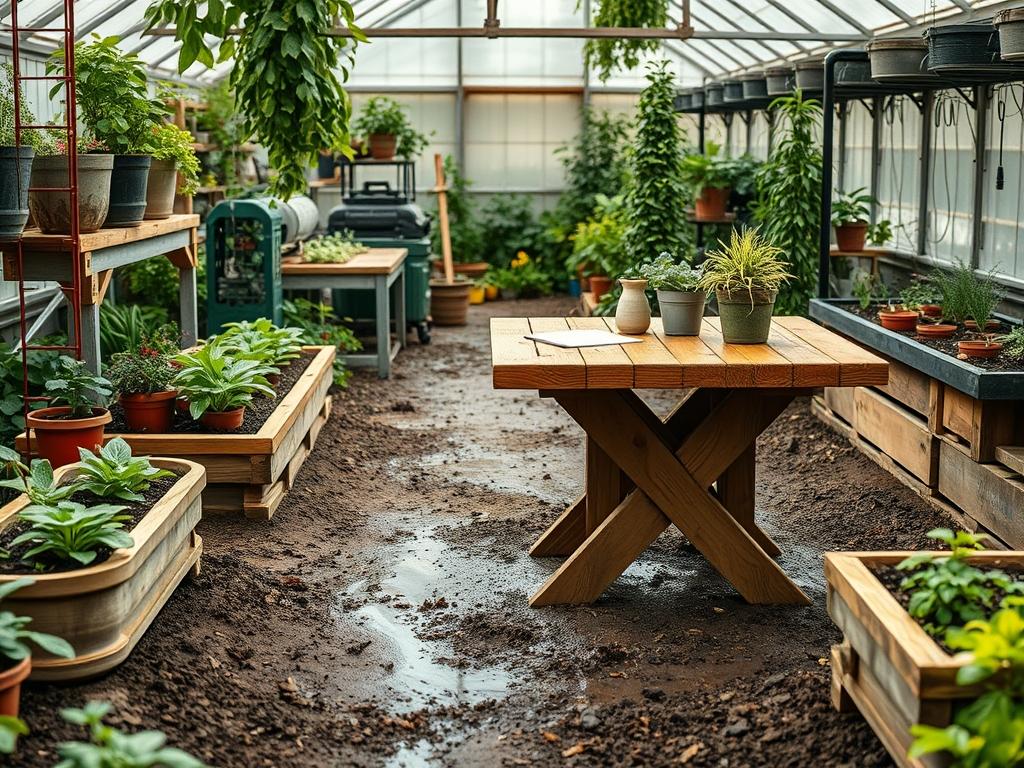
Residential landscapes are increasingly defined by the clever use of limited square footage. As property lines tighten and urban density increases, homeowners and designers must treat every inch of an outdoor lot as a premium asset. The transition toward functional outdoor living involves more than just planting a few shrubs; it requires a calculated approach to spatial geometry. One of the most effective ways to reclaim usable ground is through the integration of Space-Saving Backyard Tables. These units, whether they are fold-away bars or compact nesting sets, serve as the functional nucleus of a yard while maintaining the essential visual flow necessary for high-end curb appeal. Without a cohesive plan for furniture and infrastructure, a small backyard quickly becomes cluttered and loses its therapeutic value.
The modern landscaping challenge involves balancing human activity with ecological health. Climate considerations play a major role in this selection. In arid environments, a table area should be surrounded by heat-tolerant species that do not require excessive overhead watering, which can damage furniture finishes. In humid regions, the design must prioritize airflow to prevent mold and mildew on both the foliage and the hardscape materials. A well placed landscape provides a sanctuary that increases property value, but it only works if the transition from the indoor kitchen to the outdoor dining area is seamless and efficient.
Landscape Design Principles
Professional landscape architecture rests on the foundational pillars of symmetry, focal points, and elevation layers. Symmetry provides a sense of formal order, even in a small space. By flanking a pair of Space-Saving Backyard Tables with identical planters, you create a balanced visual frame that makes a small patio feel intentional rather than cramped. Focal points, such as a sculptural Japanese Maple or a vertical water feature, draw the eye away from boundaries and toward the center of the experience. The table itself can act as this focal point if its material and design are striking enough to command attention.
Elevation layers are equally important for maximizing space. Using Retaining Walls or raised garden beds creates distinct zones without the need for tall, light-blocking fences. A raised tier can hold an herb garden, while the lower tier serves as the dining zone. This “sunken garden” effect provides intimate privacy. Furthermore, irrigation planning must occur before any furniture is placed. Subsurface drip lines are preferable to oscillating sprinters, as they deliver water directly to the roots of Native Plants while keeping your dining area dry. Finally, walkways should be at least 36 inches wide to allow for comfortable movement around the tables, ensuring that the yard remains functional even when guests are present.
Plant and Material Selection
Selecting the right materials and plant species is the difference between a high-maintenance burden and a self-sufficient retreat. The following table outlines optimal selections for areas surrounding a compact outdoor dining zone.
| Plant Type | Sun Exposure | Soil Needs | Water Demand | Growth Speed | Maintenance Level |
| :— | :— | :— | :— | :— | :— |
| Dwarf Boxwood | Full to Partial | Well-drained | Moderate | Slow | Low |
| Creeping Thyme | Full Sun | Sandy/Rocky | Low | Moderate | Low |
| Japanese Maple | Filtered Sun | Loamy/Acidic | Moderate | Slow | Medium |
| Switchgrass | Full Sun | Poor to Average | Low | Fast | Low |
| Blue Star Creeper | Partial Sun | Moist/Rich | High | Fast | Medium |
| Lavender | Full Sun | Well-drained | Low | Moderate | Low |
For hardscaping materials near your Space-Saving Backyard Tables, consider Natural Stone, Decomposed Granite, or Permeable Pavers. These materials allow for natural drainage and prevent the “heat island” effect that occurs with solid concrete. If you are building a custom table into a retaining wall, utilize durable woods like Ipe or Teak, which withstand the elements with minimal warping.
Implementation Strategy
Planning a backyard layout requires a disciplined, step by step approach to avoid costly mistakes. First, address the grading. Use a Transit Level or a simple line level to ensure the ground slopes away from your home at a rate of at least 2 percent. This prevents water from pooling under your furniture or near the foundation. Once the grade is established, map out the “hard zones” where your Space-Saving Backyard Tables will produce the most utility.
Next, install the primary drainage systems. If your soil is heavy clay, a French Drain lined with Filter Fabric and filled with 3/4 inch Round Stone will move excess water to a safe exit point. After the invisible infrastructure is set, focus on the edging. Use Steel Edging or Brick Headers to create a crisp line between your planting beds and your walking paths. This keeps Mulch from washing onto your patio during heavy rains.
When it comes to planting, remember the rule of “right plant, right place.” Dig holes that are twice as wide as the root ball but no deeper, ensuring the crown of the plant sits slightly above the soil line to prevent rot. Finish the area with a 3-inch layer of organic Mulch to suppress weeds and retain moisture. For the tables themselves, ensure they are anchored to a stable base, such as Leveling Sand topped with heavy pavers, to prevent wobbling or sinking over time.
Common Landscaping Failures
The most frequent error in backyard planning is the failure to account for the mature size of plants. A tiny sapling planted two feet from Space-Saving Backyard Tables may look appropriate today, but in five years, its root system could heave the patio stones or its canopy could block the dining area entirely. Root overcrowding leads to stunted growth and increased susceptibility to pests. Always research the maximum spread of a species before digging.
Another common pitfall is improper drainage. If a patio is perfectly level, it is actually flawed. Without a slight pitch, water will collect in the center, leading to algae growth and the deterioration of furniture legs. Soil compaction is also a silent killer; if a construction crew uses heavy machinery in the yard without tilling the soil afterward, air and water cannot reach the roots of the new plants. Lastly, irrigation inefficiency, such as placing a dining table directly in the path of a high-pressure sprinkler head, leads to mineral staining on furniture and wasted water resources.
Seasonal Maintenance
Landscape management is a year-round commitment that changes with the light and temperature. In the Spring, the focus is on rejuvenation. This is the time to apply a balanced 10-10-10 Fertilizer and refresh the Mulch depths. Prune back any winter-damaged limbs using sharpened Hand Pruners to encourage new growth. Inspect your irrigation timers and replace the batteries to prepare for the rising heat.
During the Summer, the priority shifts to hydration and pest control. Deep, infrequent watering in the early morning is more effective than daily light mists. Check the undersides of leaves for aphids or mites. For your Space-Saving Backyard Tables, a quick wipe down with a mild soap solution will prevent pollen and dust buildup from scratching the surface.
Autumn is the season for preparation. Clean fallen leaves promptly; if left on the ground, they can harbor fungal diseases that kill off turf and perennials. This is also the best time for aeration and overseeding to keep the lawn lush. In Winter, protect sensitive plants with Burlap Wraps and apply an anti-desiccant spray to evergreens to prevent moisture loss. If your tables are moveable, consider storing them in a shed or covering them with a heavy-duty Canvas Tarp to extend their lifespan through the freezing months.
Professional Landscaping FAQ
How much space is needed around a compact backyard table?
For optimal functionality, maintain a clearance of at least 30 to 36 inches on all sides. This allows for comfortable chair movement and ensures that walkways remain unobstructed for gardening tasks like weeding and pruning.
Can I install a space-saving table directly on the lawn?
It is not recommended. Heavy furniture will compact the soil, killing the grass and creating a muddy patch. Instead, create a small landing pad using Pea Gravel or Stepping Stones to provide a stable, well-draining surface for the table.
What is the best way to prevent weeds around my patio?
Install a high-quality Non-Woven Landscape Fabric beneath your pavers or gravel. Top the surrounding garden beds with a consistent 3-inch layer of Wood Chips, which starves weed seeds of the sunlight they need to germinate.
How do I choose between a fold-away table and a nesting set?
A fold-away table is ideal for narrow balconies or side yards where the path must stay clear. Nesting sets are superior for circular patios, as they can be expanded quickly when guests arrive and tucked away to minimize the visual footprint.
Do I need a professional to install a retaining wall table?
If the table is structurally integrated into a wall higher than 3 feet, consult an engineer. For smaller decorative walls, ensuring a level base of Crushed Stone and using masonry adhesive will suffice for a stable, integrated dining surface.