
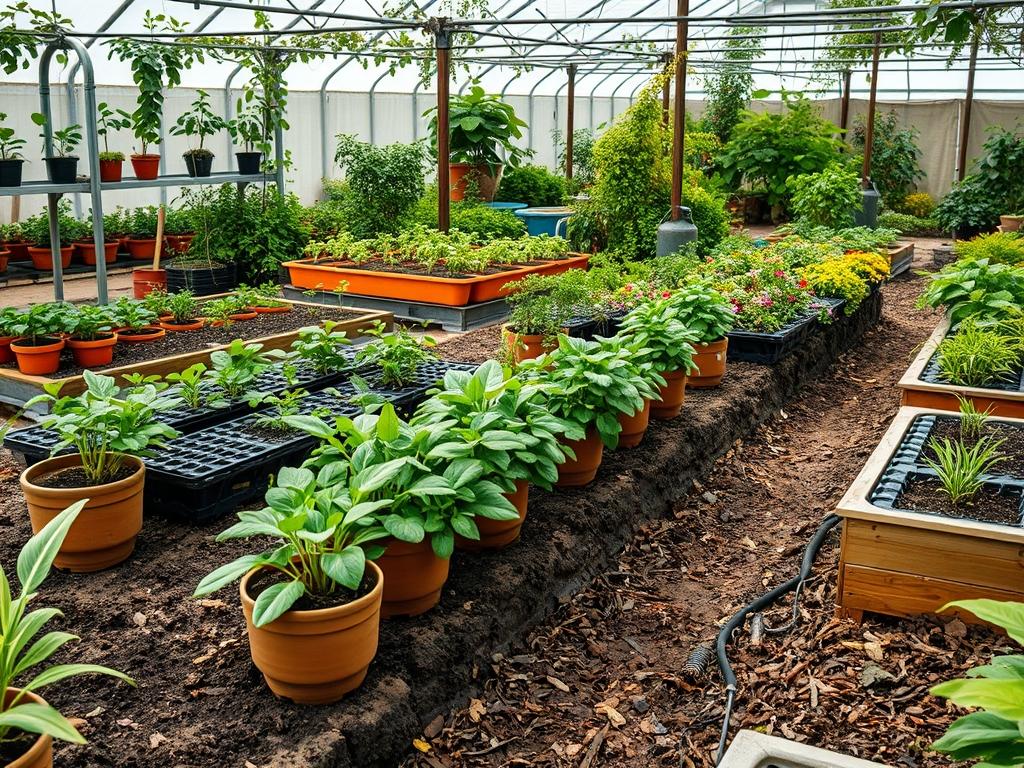
Creating a functional and aesthetically pleasing outdoor space requires more than just selecting high-performing flora; it demands a strategic understanding of the local ecology and the environmental stressors that can compromise human comfort. One of the most significant challenges in residential design is balancing lush, verdant growth with the need for a pest-free environment. A well-manicured lawn may look inviting, but without proper planning, it can become a breeding ground for parasites. Effective Backyard Flea Control begins at the drafting table, where landscape architects analyze sun exposure, moisture retention, and plant density to discourage pest habitation. By manipulating the microclimates within a property, we can create a landscape that is naturally resistant to infestation while simultaneously improving curb appeal and property value. This holistic approach ensures that the backyard remains a sanctuary for both people and pets, free from the irritations of ticks and fleas.
Landscape Design Principles
Structural integrity in a garden begins with the concept of defensive landscaping. To achieve effective Backyard Flea Control, we must prioritize sunlight penetration and airflow. Fleas thrive in warm, humid, and shaded environments; therefore, the primary goal of the design should be to minimize “dead zones” where moisture accumulates. We utilize symmetry and focal points to draw movement through the yard, ensuring that high-traffic areas are located in the sections with the highest solar exposure. By placing Stone Walkways or Gravel Paths as a buffer between thick vegetation and the home, we create a physical barrier that pests are reluctant to cross.
Elevation plays a critical role in site management. Using Retaining Walls and terraced beds allows for better control over soil moisture. When we elevate planting beds, we improve drainage and reduce the damp, cool soil conditions that flea larvae prefer. Furthermore, layering the landscape with varying heights creates visual interest and allows for “vertical thinning.” By pruning the lower canopy of trees and shrubs to at least 18 inches above the ground, we eliminate the dark, moist crawl spaces that serve as flea nurseries. This technique, often called “limbing up,” increases light levels on the ground plane, which naturally desiccates flea eggs and prevents the life cycle from completing.
Integrated irrigation planning is another pillar of a healthy landscape. Overhead sprinklers often lead to excessive leaf wetness and soil saturation, which are detrimental to pest control. Instead, we advocate for Drip Irrigation systems buried beneath a layer of mulch. This directs water to the root zones where it is needed, leaving the surface dry. When combined with a site analysis that identifies low-lying spots prone to pooling, a well-engineered drainage plan using French Drains or Catch Basins ensures that the backyard remains dry and inhospitable to unwanted insects.
Plant and Material Selection
The following table outlines specific plant species that contribute to a resilient landscape while offering natural repellent properties for integrated Backyard Flea Control.
| Plant Type | Sun Exposure | Soil Needs | Water Demand | Growth Speed | Maintenance Level |
| :— | :— | :— | :— | :— | :— |
| Lavandula angustifolia | Full Sun | Well-drained | Low | Moderate | Low (Pruning) |
| Rosmarinus officinalis | Full Sun | Sandy/Loamy | Very Low | Slow | Minimal |
| Mentha piperita | Partial Shade | Moist | High | Fast | High (Containment) |
| Chrysanthemum | Full Sun | Rich/Loamy | Moderate | Moderate | Moderate |
| Cymbopogon | Full Sun | Moist/Rich | High | Fast | Low |
| Salvia officinalis | Full Sun | Well-drained | Low | Moderate | Minimal |
| Nepeta cataria | Full Sun/Part Shade | Any | Moderate | Fast | Moderate |
When selecting materials for transitions and borders, Cedar Mulch is the gold standard. The natural oils in cedar, specifically thujone, act as a chemical deterrent for many crawling insects. Incorporating a 3-inch layer of cedar chips around the perimeter of the home and under play structures provides a natural line of defense. Unlike traditional hardwood mulch, cedar decomposes slowly and maintains its repellent properties for a longer duration. For hardscaping, using light-colored Flagstone or Pavers can help reflect heat and light into shaded corners, further reducing the moisture levels that pests depend on.
Implementation Strategy
The transition from a design concept to a physical landscape requires a methodical approach to site preparation and installation. The first step in any backyard project is Grading. We must ensure the ground slopes away from the home at a minimum of a 2-percent grade. This prevents water from pooling near the foundation, which is a common site for flea activity. Once the grade is established, we install Landscape Edging made of steel or heavy-duty plastic to separate garden beds from turf areas. This clear demarcation is not just for aesthetics; it provides a “no-man’s-land” that can be easily monitored and maintained.
When laying out the garden, spacing is paramount. We must account for the mature width of each shrub to prevent root overcrowding and to maintain airflow between plants. For a typical 5-gallon shrub, providing a 3-foot buffer from adjacent plants allows for optimal growth and sunlight penetration. In areas where groundcover is desired, we avoid thick, matting species like English Ivy, which creates a dense, humid canopy. Instead, we opt for sprawling, aromatic herbs like Thyme or Creeping Rosemary, which offer the same visual benefits without the pest risks.
Hardscaping elements, such as Patios or Decks, should be integrated with a focus on under-structure management. We recommend closing off the space beneath wooden decks with Hardware Cloth or lattice to prevent wildlife like raccoons or stray cats from nesting. Wildlife are the primary vectors for fleas and ticks; by excluding them from the backyard, we significantly reduce the introduction of new pests. Finally, a layer of Crushed Granite or Pea Gravel under these structures ensures that even if an animal does enter, the environment is too dry and abrasive for flea larvae to survive.
Common Landscaping Failures
Many homeowners inadvertently create pest havens due to a lack of technical foresight. One of the most frequent failures is improper mulch management. Applying mulch too thickly, exceeding 4 inches, can trap excessive moisture against the soil and lead to root rot and pest infestations. Conversely, neglecting to refresh mulch leads to soil exposure, which allows weeds to take over and create dense cover for insects. Another common error is the use of invasive groundcovers. Plants that grow in thick, tangled mats provide a protected microclimate that is nearly impossible to treat or dry out.
Soil compaction is another often overlooked factor. In high-traffic areas, the soil becomes packed down, preventing water infiltration. This leads to runoff and puddling in other parts of the yard. Using an Aerator annually helps maintain soil porosity, ensuring that water moves through the profile rather than sitting on top. Additionally, over-irrigation is a major contributor to pest problems. Running systems on a fixed timer regardless of rainfall leads to a perpetually damp environment. This not only wastes water but essentially “farms” fleas. Modern landscapes should utilize Smart Irrigation Controllers with rain sensors to adjust watering schedules based on real-time weather data.
Seasonal Maintenance
A landscape is a living system that requires rhythmic upkeep to remain effective. In the Spring, the focus is on cleanup and preparation. We remove all fallen leaves and debris that accumulated over winter, as these organic layers are prime real estate for emerging pests. This is also the time to apply a fresh 2-inch layer of Cedar Mulch and prune any winter kill from shrubs to open up the canopy.
Summer maintenance revolves around moisture control and growth management. Lawns should be mowed to a height of 3 inches; shorter grass can dry out and die, while longer grass provides shade for ticks. During this season, we also monitor the irrigation system for leaks. In the Autumn, the priority shifts to leaf management. Allowing a thick layer of leaves to sit on the lawn through the fall creates a humid insulation layer that protects flea eggs from the first frost. Using a Power Blower or rake to clear these areas weekly is essential for long-term Backyard Flea Control.
During the Winter, maintenance is minimal but strategic. This is the best time for structural pruning of large trees. By removing crossing branches and thinning the interior of the tree, we ensure that when spring arrives, the garden will receive maximum sunlight. We also inspect fences and barriers to ensure no gaps have formed that would allow wildlife to enter the property during the colder months when they are searching for shelter.
Professional Landscaping FAQ
How does cedar mulch help with flea control?
Cedar chips contain natural oils like thujone that repel fleas and ticks. The aromatic compounds create a chemical barrier while the physical texture of the mulch dries out the soil surface, making it uninhabitable for pest larvae.
Can certain plants actually drive fleas away?
Yes, plants like Lavender, Rosemary, and Chrysanthemums contain natural repellents such as linalool and pyrethrum. Planting these in high-traffic zones or near entry points provides a continuous, natural deterrent against various crawling insects in the landscape.
Why is drainage so important for pest management?
Fleas require high humidity and moist soil to survive their larval stage. By using French Drains and proper Grading, you eliminate the standing water and damp earth needed for their life cycle, effectively stopping infestations before they start.
Does lawn height affect the flea population?
Maintaining a lawn at 3 inches is ideal. Keeping it too short stresses the grass, while letting it grow too long creates a shaded, humid microclimate at the soil level where fleas and ticks can hide from the sun and predators.
How do I prevent wildlife from bringing fleas into my yard?
Install Physical Barriers like fencing and use Hardware Cloth to seal off areas under decks. Removing food sources and keeping trash secured prevents animals like opossums and raccoons from depositing flea eggs and larvae into your managed landscape.