
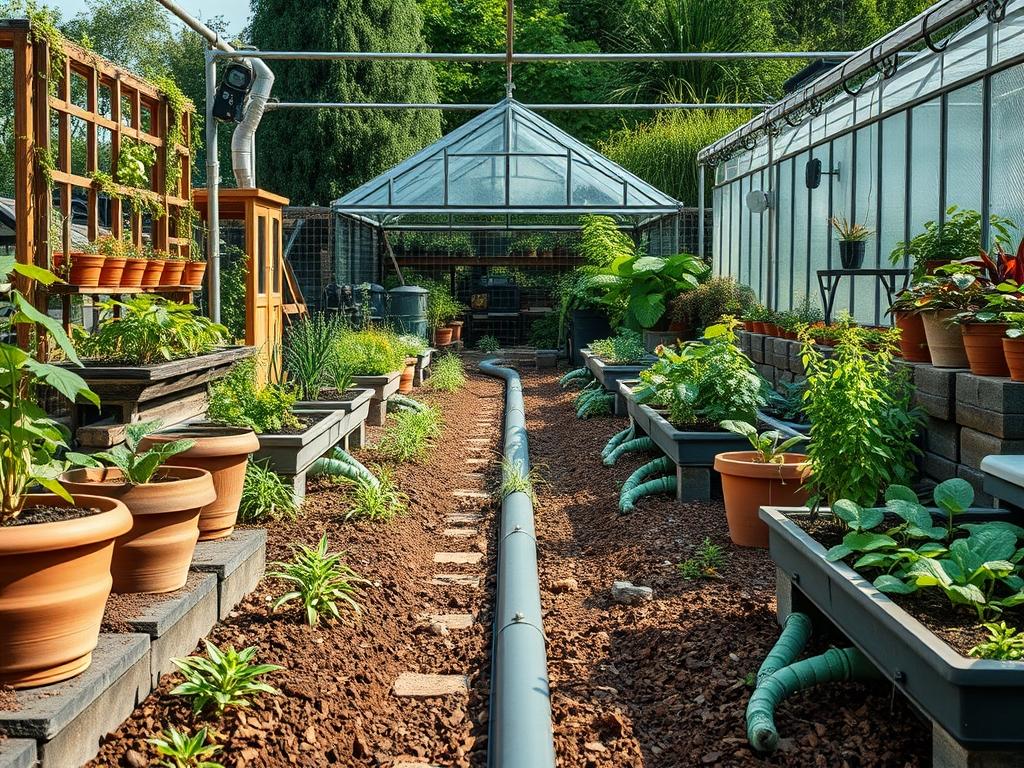
Water is a patient force, and in the world of professional landscape architecture, it is considered the primary architect of both beauty and structural failure. When we approach backyard drainage solutions, we are not merely looking at puddles on a lawn; we are evaluating the hydrostatic pressure against foundation walls, the oxygen levels in the root zones of expensive specimens, and the overall longevity of the outdoor living environment. Effective drainage is the invisible infrastructure that allows high end aesthetics to thrive. Without it, even the most expensive hardscaping will eventually shift, crack, or discolor due to subsurface movement. A successful project requires a shift in perspective. We must view the property as a watershed where every roof line, patio slope, and retaining wall plays a role in the movement of thousands of gallons of runoff. By integrating drainage into the initial design phase rather than treating it as a literal “patch job” after a storm, we create landscapes that are resilient, functional, and aesthetically cohesive.
Landscape Design Principles
Professional landscape design relies on the marriage of form and function, where the physical layout of a space dictates its long term health. Symmetry and focal points are often the first elements a client notices, but these must be subservient to the property’s elevation layers. A well designed backyard utilizes topography to naturally guide water away from the “envelope” of the home. We look for a minimum 1 percent slope away from all structures, though a 2 percent slope is far more reliable in regions with heavy clay soils. This elevation management ensures that the primary seating areas and outdoor kitchens remain dry and usable shortly after a rain event.
Focal points, such as a custom fire pit or a water feature, should never be placed in a natural depression unless that depression has been engineered as a dry creek bed or a rain garden. Visual balance is achieved by mirroring these functional drainage elements with softscaping. For instance, a bioswale designed to catch runoff can be disguised with a lush border of native grasses and tiered stone. Irrigation planning must also be synchronized with the drainage layout. Over-irrigation is a frequent culprit of drainage failure, often masking the symptoms of poor soil permeability. By layering the landscape with varying heights, using Retaining Walls to create flat, usable tiers, we can manage the velocity of water as it moves across the site. This prevents erosion and allows the ground more time to absorb moisture before it reaches the property line.
Plant and Material Selection
The choice of plants and hardscape materials determines how the land breathes and how it handles saturation. We prioritize hydrophytic plants for low lying areas and drought tolerant species for the higher, well drained ridges of the design. The following table outlines high performance selections for integrated drainage designs.
| Plant Type | Sun Exposure | Soil Needs | Water Demand | Growth Speed | Maintenance Level |
| :— | :— | :— | :— | :— | :— |
| River Birch | Full Sun / Part Shade | Moist, Acidic | High | Fast | Low |
| Swamp Milkweed | Full Sun | Heavy Clay | High | Medium | Medium |
| Japanese Sedge | Part Shade / Shade | Rich, Humus | Medium to High | Medium | Low |
| Winterberry | Full Sun / Part Shade | Loamy, Wet | High | Slow | Low |
| Canna Lily | Full Sun | Well Drained to Wet | High | Fast | High |
| Blue Flag Iris | Full Sun / Part Shade | Saturated | High | Medium | Medium |
In addition to plant material, the selection of hardscape components is critical. For high traffic areas, we recommend Permeable Pavers installed over a bed of No. 57 Stone. This allows water to infiltrate the ground directly rather than sheeting off into a neighbor’s yard. For drainage channels, 3/4-inch Washed River Rock provides a stable, decorative solution that does not wash away as easily as lighter Pea Gravel.
Implementation Strategy
Implementing permanent backyard drainage solutions requires a systematic approach to grading and subsurface engineering. The first step is a formal site assessment using a Laser Level or a Transit Level to identify the exact high and low points. Once the “path of least resistance” is determined, we begin the grading process. We aim to move soil so that the land falls away from the foundation at a rate of at least 1 inch every 10 feet.
For areas where surface grading is insufficient, a French drain remains the gold standard. We excavate a trench at least 12 inches deep and 12 inches wide. The trench is lined with a Non-woven Geotextile Fabric to prevent soil particles from clogging the system. We then lay a 4-inch Rigid PVC Perforated Pipe with the holes facing downward. This may seem counterintuitive, but it allows water to rise into the pipe from below as the water table fluctuates. The pipe is covered with Washed Stone to within two inches of the surface, then capped with either decorative rock or sod.
Edging also plays a vital role. Using Steel Edging or Deep Cut Stone Borders helps maintain the integrity of mulch beds. We recommend a 3-inch layer of Hardwood Mulch to help retain moisture in the soil, which ironically prevents the soil from becoming hydrophobic and causing more runoff. Finally, all downspouts should be “daylighted” at least 10 feet away from the home using Solid Wall PVC Pipe to ensure roof water never enters the foundation’s backfill zone.
Common Landscaping Failures
The most common failure in backyard drainage is the reliance on “black corrugated pipe.” While inexpensive, this material is prone to crushing, clogging with silt, and being breached by tree roots. Professional installations always prioritize Schedule 40 PVC. Another frequent error is soil compaction. During construction, heavy machinery compresses the earth, destroying the pore space necessary for drainage. If the soil is not properly tilled and amended with Organic Compost or Expanded Shale, even a perfectly graded yard will hold water like a bathtub.
Root overcrowding is another oversight. Planting a Willow Tree directly over a drainage line is a recipe for a total system collapse within five years. We also see many homeowners install a “dry creek bed” that is purely aesthetic, lacking the necessary subsurface pipe to handle actual flow. Without that pipe, the stones simply become a trap for silt and debris, eventually turning into a muddy mess. Irrigation inefficiencies, such as spray heads hitting the foundation or running for too long in shaded areas, further exacerbate drainage issues by keeping the soil at a permanent saturation point.
Seasonal Maintenance
A landscape is a living system that requires seasonal adjustments to its drainage infrastructure. In the spring, the primary focus is clearing debris. Check all Catch Basin Grates and “daylight” exit points for nests, leaves, or silt buildup. This is also the time to inspect for any “settling” near the foundation that may have occurred during the winter freeze thaw cycle.
During the summer, monitor the performance of your Drip Irrigation. If certain areas of the lawn remain spongy despite high heat, you likely have a seasonal leak or a zone that is over-delivering water. Autumn is perhaps the most critical season for drainage health. Leaf removal is not just about aesthetics; it prevents the “matting” effect that clogs surface drains and suffocates turf. Ensure that all gutters are cleaned, as a single clogged downspout can dump hundreds of gallons of water into a localized area, overwhelming your backyard drainage solutions. In the winter, be cautious with the use of de-icing salts. These chemicals can leach into the drainage system and reach the root zones of your plants, causing “salt burn” and damaging the structural integrity of concrete drainage components.
Professional Landscaping FAQ
How do I know if I need a French drain?
If water stands for more than 24 hours after a rain event, or if your basement feels damp, a French drain is likely necessary. It effectively lowers the local water table and directs subsurface moisture away from your structural assets.
Can I use plastic liners under my drainage rocks?
Never use non-permeable plastic liners in a drainage ditch. They trap water underneath, causing soil souring and unintended erosion. Use Non-woven Geotextile Fabric, which allows water molecules through while blocking the passage of clogging silt and soil.
What is the best way to hide an ugly drainage pipe?
Incorporate the exit point into a “dry creek bed” feature. Using graduated sizes of River Rock and Boulders, you can create a natural looking stream bed that only fills during storms, effectively masking the utility of the pipe.
How deep should my drainage trench be?
A standard residential trench should be between 12 and 18 inches deep. This provides enough volume for the 4-inch pipe and a sufficient “envelope” of stone to filter the water before it enters the mechanical system.
Will a rain garden solve my flooding issues?
Rain gardens are excellent for managing small amounts of runoff and improving water quality. However, they are not a substitute for mechanical drainage in high volume areas. Use them as a secondary measure to capture overflow from your primary pipe systems.