
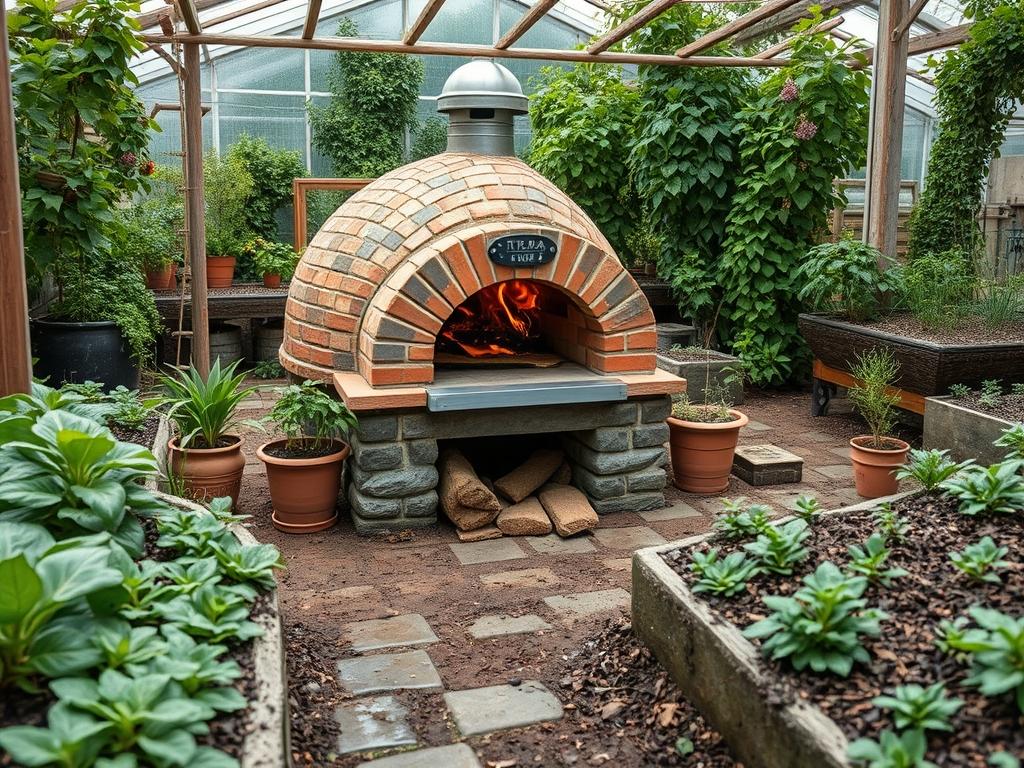
Integrating a high performance culinary tool into a residential landscape requires a sophisticated understanding of both spatial dynamics and thermal safety. The shift toward permanent outdoor kitchens has transformed the humble backyard into a multi functional environment where the pizza oven serves as a gravitational center for social interaction. Proper outdoor pizza oven placement is not merely a matter of convenience; it represents a complex intersection of structural engineering, fire safety protocols, and aesthetic harmony. When a landscape architect approaches this challenge, they must account for the heavy mass of masonry, the prevailing wind patterns that carry smoke, and the necessity of a seamless transition between the indoor kitchen and the exterior cooking suite. A well positioned oven enhances the property value and provides a durable focal point that anchors the entire outdoor living program.
Achieving this balance involves a rigorous evaluation of the site’s microclimate and existing topography. We look at the way light hits the space during golden hour, the proximity of flammable structures, and the clearance required for the chef to operate without obstructing the flow of guests. Modern design favors an integrated approach where the oven is built into a larger hearth or counter system rather than standing as a lonely, isolated object. By considering the site’s elevation and grading from the outset, we ensure that the oven is not only a functional tool for high heat roasting but also a piece of sculptural architecture that complements the surrounding plant life and hardscape materials.
Landscape Design Principles
In professional landscape architecture, we rely on the concept of spatial hierarchy to determine where a dominant feature like a wood fired oven should reside. Symmetry plays a vital role here. If the oven is positioned as a central focal point, it often requires flanking elements, such as built in wood storage or herb planters, to ground its visual weight. Conversely, an asymmetrical placement can create a more casual, lounge like atmosphere, provided it is balanced by a significant vertical element like a Pergola or a large Deciduous Tree on the opposite side of the sightline.
Elevation layers are equally critical. Placing the oven on a slightly raised terrace can delineate the cooking zone from the dining area, creating a sense of “rooms” without the need for walls. However, this requires careful planning for accessibility. We must ensure that the Flagstone or Paver walkways leading to the oven are at least 48 inches wide to allow for safe movement while carrying heavy peels or trays of dough. Furthermore, irrigation planning must be handled with precision. High heat appliances can desiccate nearby soil, meaning that any planting beds adjacent to the oven require specialized drip lines to maintain moisture levels without spraying water directly onto the hot masonry, which could cause thermal shock and cracking.
Plant and Material Selection
The materials surrounding your oven must be both non combustible and resilient to high foot traffic. We recommend Natural Stone, Brick, or Polished Concrete for the immediate landing zones. For the surrounding greenery, the goal is to choose species that provide a lush backdrop without encroaching on the heat zone.
| Plant Type | Sun Exposure | Soil Needs | Water Demand | Growth Speed | Maintenance Level |
| :— | :— | :— | :— | :— | :— |
| Common Rosemary | Full Sun | Well Drained | Low | Moderate | Low |
| English Lavender | Full Sun | Sandy/Lean | Low | Moderate | Moderate |
| Japanese Maple | Partial Shade | Loamy | Medium | Slow | Medium |
| Boxwood Hedge | Full/Part Sun | Versatile | Medium | Slow | High (Pruning) |
| Creeping Thyme | Full Sun | Gritty | Low | Fast | Low |
| Dwarf Olive Tree | Full Sun | Rocky/Dry | Low | Slow | Low |
Choosing the right mulch is another professional secret. Near the oven, avoid flammable wood chips. Instead, utilize Decomposed Granite, River Rock, or Lava Rock within a five foot radius of the firebox. These inorganic materials facilitate excellent drainage and eliminate the risk of stray embers igniting the ground cover.
Implementation Strategy
The transition from design to physical reality begins with a comprehensive site survey. Before any stone is laid, the ground must be excavated to reach stable subsoil. Because a fully cladded pizza oven can weigh between 1,500 and 3,500 pounds, a standard patio base is insufficient. We specify a Reinforced Concrete Slab with a minimum thickness of 6 inches, reinforced with No. 4 Rebar on a 12 inch grid. This prevents the structure from settling unevenly, which would eventually lead to cracks in the oven dome or the surrounding masonry.
Once the foundation is cured, the grading must be verified. A 2 percent slope away from the oven base is mandatory to ensure that rainwater does not pool at the hearth. For the hardscaping layout, we utilize Edge Restraints made of Polymer or Aluminum to keep pavers locked in place. Drainage is further managed by installing a French Drain or a NDS Channel Drain if the oven is positioned at the base of a slope. These systems intercept surface runoff before it can compromise the structural integrity of the oven’s pedestal. Finally, the application of a high quality Siloxane Sealer on the surrounding stonework will protect the surface from the inevitable grease and flour spills that occur during the cooking process.
Common Landscaping Failures
The most frequent mistake in outdoor pizza oven placement is ignoring the overhead canopy. Owners often want to tuck the oven under a beautiful tree for shade, but this creates a significant fire hazard and leads to scorched leaves and limb dieback from rising heat. We recommend a minimum vertical clearance of 10 feet from any overhanging branch. Another common failure is poor ventilation. If an oven is placed in a “dead air” pocket of the yard, such as a tight corner between a fence and a tall hedge, smoke will settle and circulate, making the area uncomfortable for the chef and guests.
Soil compaction is another silent killer of the surrounding landscape. The heavy equipment used to deliver and install a modular oven can crush the soil structure, killing the roots of existing trees. Using Plywood Sheets to distribute the weight of machinery during installation is a simple but vital step. Additionally, many homeowners fail to provide adequate “landing space.” A professional layout includes at least 36 inches of heat resistant counter space on at least one side of the oven to hold hot pans and prep tools safely.
Seasonal Maintenance
To preserve the aesthetic and functional integrity of the landscape, seasonal routines must be established. In the spring, inspect the Masonry Joints for any signs of frost heave or winter damage. This is also the time to refresh the Organic Mulch in the outer garden beds and check the Irrigation Solenoids for proper operation. During the summer, focus on hydration; the radiant heat from the oven can create a micro desert around its base, so supplemental hand watering may be necessary for even the most drought tolerant Culinary Herbs.
Autumn requires a thorough cleaning of the chimney flue to remove creosote buildup before the heavy cooking season begins. Clear away fallen leaves from the oven base, as dry foliage is a prime fuel source for accidental fires. In winter, if you live in a climate with freeze-thaw cycles, cover the oven with a Breathable UV Resistant Cover. This prevents moisture from entering the pores of the stone or stucco, where it could freeze and cause spawling. Ensure that the Drainage Grates are clear of snow and ice to allow for meltwater to escape freely.
Professional Landscaping FAQ
What is the safest distance from the house for an oven?
We recommend a minimum of 10 feet from any combustible siding or eaves. This provides a safety buffer for heat dissipation and ensures that smoke does not enter open windows or ventilation soot on your home’s exterior.
Can I put a pizza oven on an existing deck?
Most wooden decks lack the structural capacity for the weight of a masonry oven. You would likely need to install Steel Reinforcement or additional 4×6 Pressure Treated Posts directly beneath the oven to prevent structural collapse.
Which plants best tolerate the heat near an oven?
Woody, Mediterranean species like Rosemary, Thyme, and Lavender are excellent choices. Their essential oils are adapted to high temperatures, and they provide the secondary benefit of fresh aromatics for your cooking right at your fingertips.
How do I prevent smoke from bothering my neighbors?
Install a Chimney Extension to a height of at least 8 feet. This allows smoke to clear the “living zone” and catch higher altitude breezes, dispersing the particulates more effectively before they reach adjacent properties.
What is the best lighting for a pizza oven area?
Use Low Voltage LED task lighting integrated into the masonry or nearby structures. Avoid overhead floodlights that create harsh shadows. Path Lights should mark the walkways, while a Flexible Gooseneck Lamp can provide direct illumination into the oven.