
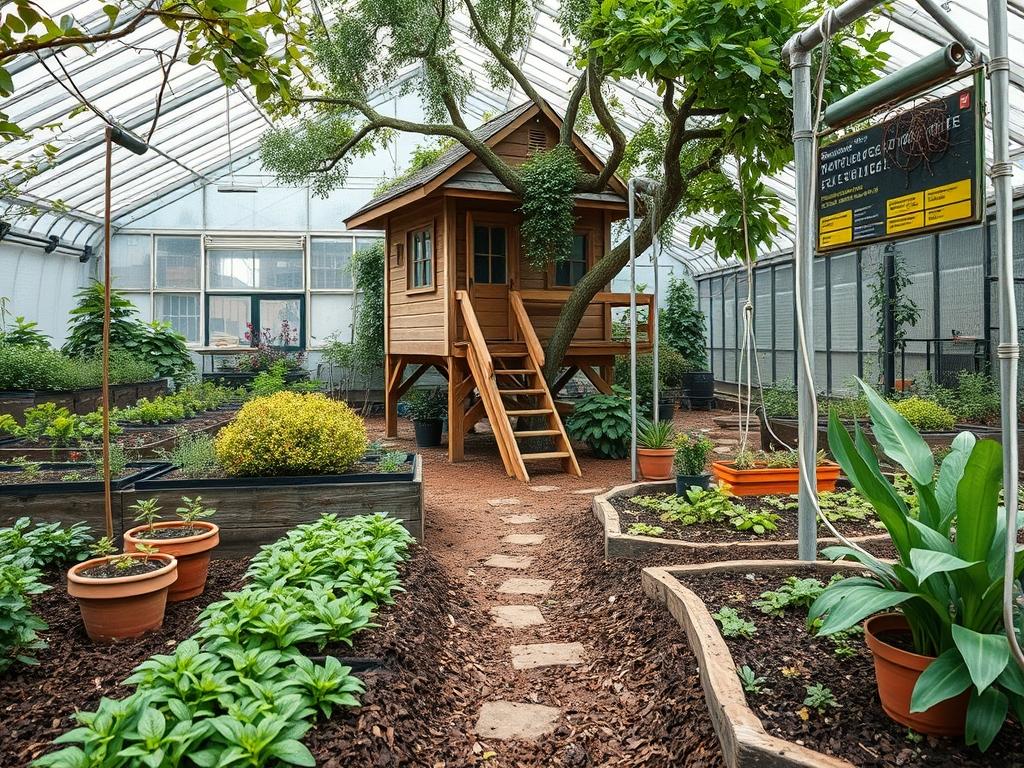
Integrating a high-end elevated structure into a domestic garden requires more than just carpentry skills; it demands a comprehensive understanding of the living environment. When we discuss Treehouse Construction Safety, many people immediately think of bolts and cables, yet the primary safety factor is the health and stability of the landscape itself. A treehouse is a dynamic addition to an ecosystem. This means that every choice made on the ground, from the grade of the soil to the placement of a walkway, directly impacts the longevity of the host tree. If the tree’s root system is compromised by poor drainage or soil compaction, the entire structural integrity of the project is at risk. Sophisticated landscaping ensures that the ground serves as a functional foundation that supports both the weight of the structure and the biological needs of the timber.
To achieve a balanced outdoor environment, the landscape architect must consider how the treehouse alters the local microclimate. The structure creates a permanent shadow, often resulting in a dry shade zone directly beneath the platform. Without proper planning, this area can become a patch of barren earth or a mud pit, both of which are safety hazards for those descending from the tree. By utilizing porous pavers and specific shade-tolerant native plants, a designer can stabilize the soil and manage moisture levels. Furthermore, the aesthetic impact of a treehouse is profound. It shifts the focal point of the garden upward, necessitating a tiered landscape design that draws the eye back down to the ground through strategic plantings and varied elevation layers.
Landscape Design Principles
Symmetry and visual balance are the hallmarks of a professional garden, especially when a large vertical element like a treehouse is introduced. To maintain a sense of proportion, the surrounding garden should utilize focal points that prevent the treehouse from overwhelming the space. This is often achieved through the use of retaining walls built from natural stone or pressure-treated timber, which can help manage slopes and create level play areas. These walls do double duty by preventing soil erosion around the base of the host tree, which is a critical component of Treehouse Construction Safety. If the soil washes away, the roots become exposed and vulnerable to rot and physical damage.
Circulation and movement within the garden must be intentional. Instead of letting foot traffic naturally compact the earth near the tree, a professional plan incorporates defined walkways. Using materials like crushed granite or irregular flagstone allows water to permeate the soil while providing a clear, safe path to the entrance of the treehouse. Additionally, irrigation planning must be forensic in its detail. Traditional sprinkler heads should never spray directly onto the trunk of the host tree or the wooden supports of the structure. Instead, drip irrigation systems should be installed to deliver water directly to the soil, keeping the foliage and the lumber dry to prevent fungal growth and decay.
Plant and Material Selection
The following table provides a selection of plants and materials curated for their ability to thrive near a treehouse structure while maintaining soil health and aesthetic appeal.
| Plant Type | Sun Exposure | Soil Needs | Water Demand | Growth Speed | Maintenance Level |
| :— | :— | :— | :— | :— | :— |
| Hostas | Full Shade | Loamy / Rich | Medium | Moderate | Low |
| Wild Ginger | Full Shade | Moist / Acidic | High | Slow | Very Low |
| Sword Fern | Partial Shade | Well-Drained | Medium | Fast | Low |
| Japanese Forest Grass | Partial Shade | Humus Rich | Moderate | Moderate | Moderate |
| Carex (Sedge) | Full Sun/Shade | Versatile | Low | Fast | Low |
| Liriope | Sun to Shade | Sandy/Clay | Low | Moderate | Very Low |
Implementation Strategy
The first step in a backyard layout for a high-end treehouse involves a professional site assessment and soil testing. You must determine the pH levels and the drainage capacity of the area within a 20-foot radius of the host tree. Once the site is analyzed, the next phase is grading. Use a laser level and a steel rake to ensure the ground slopes away from the tree at a rate of at least two percent. This prevents water from pooling at the base of the trunk, which is the leading cause of root pathogens that can destabilize the tree.
After the grade is set, define the critical root zone, which usually extends to the drip line of the tree canopy. Within this zone, avoid any heavy machinery that could cause soil compaction. Instead, use a manual shovel for any necessary planting. Lay down a breathable geotextile fabric before adding hardscaping elements like stepping stones or edging. To provide a safety cushion beneath the treehouse, apply a deep layer of engineered wood fiber or double-shredded cedar mulch. This layer should be at least 9 inches to 12 inches deep to provide adequate impact attenuation for falls, meeting modern Treehouse Construction Safety standards while also retaining soil moisture and suppressing weeds.
Common Landscaping Failures
The most frequent mistake in treehouse landscaping is the over-application of soil or mulch against the root flare of the tree. Many homeowners believe that piling dirt high around the base looks better, but this traps moisture against the bark and leads to girdling roots and rot. Another common failure is improper spacing of large shrubs. Planting vigorous species too close to the trunk causes competition for nutrients and water, which can stress the host tree and make it brittle. Brittle wood is a significant liability when it is supporting the weight of a heavy structure.
Irrigation inefficiencies also rank high among landscaping errors. Over-watering an area with poor drainage creates anaerobic soil conditions, effectively drowning the roots. Conversely, installing non-porous surfaces like solid concrete pads beneath the canopy prevents the roots from breathing and receiving rainwater. Soil compaction from consistent foot traffic is perhaps the most silent threat. Without a designated walkway or elevated boardwalk, the soil becomes as hard as stone, preventing oxygen from reaching the root system and slowly killing the tree from the bottom up.
Seasonal Maintenance
Spring is the time for a thorough structural and health audit. Inspect the tree for any deadwood or signs of pest infestation, such as exit holes from borer beetles. Refresh the mulch beds to ensure they have not thinned out over the winter, maintaining that critical 12-inch safety depth. In the summer, focus on deep-root watering during periods of drought. Use a soaker hose set on a timer to ensure the tree receives consistent hydration without saturating the bark. This is also the peak season for checking the hardware of the treehouse; ensure that the TABs (Treehouse Attachment Bolts) are not being swallowed by the tree’s growth.
Autumn requires a diligent cleanup of fallen leaves. While leaves provide natural nutrients, an excessive buildup on the treehouse roof or platform can hold moisture and cause rot. Rake the leaves into a compost pile away from the structural base. Use a leaf blower to clear the deck and stairs regularly. In winter, the focus shifts to weight management and dormant pruning. If you live in an area with heavy snow, ensure the roof of the treehouse is cleared to prevent excessive dynamic loads on the branches. Prune any crossing or rubbing branches that may have been damaged by winter winds to ensure the tree remains vigorous for the following growing season.
Professional Landscaping FAQ
What is the best ground cover for safety?
Professional engineered wood fiber is the industry standard for impact absorption. It knit together to form a stable yet springy surface. Unlike gravel, it stays in place and provides a much softer landing for children if they fall.
How do I prevent my host tree from rot?
Ensure the root flare remains visible and never bury it under soil or mulch. Improve drainage by installing a French drain if water tends to pool. Keeping the area aerated ensures the roots remain healthy and the tree stable.
Can I use a retaining wall near the tree?
Yes, but it must be built outside the critical root zone to avoid cutting major structural roots. Using a dry-stack stone method allows for better water movement and prevents pressure buildup against the root system itself.
How often should I check my irrigation system?
Check your irrigation monthly to ensure heads are not spraying the treehouse or the trunk. Look for leaks in drip lines that could create localized oversaturation. Proper water management is a primary pillar of Treehouse Construction Safety.
What plants should I avoid under a treehouse?
Avoid aggressive, invasive vines like English Ivy or Wisteria which can climb the structure and trap moisture against the wood. Also, avoid heavy-feeding shrubs that will compete with your host tree for essential minerals and water.