
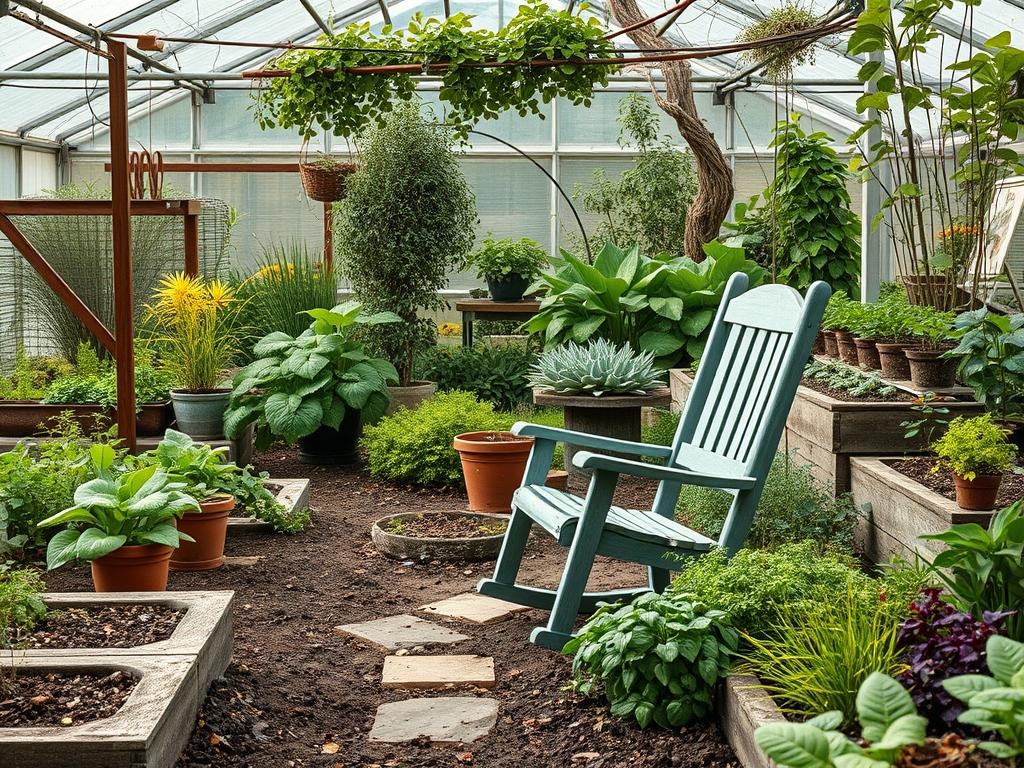
Professional landscape architecture is defined by the intentionality of space, where function and aesthetics converge to facilitate a specific human experience. In the context of residential design, creating successful Backyard Rocking Chair Nooks requires more than simply placing a piece of furniture on a patio. It demands a rigorous analysis of site conditions, including solar orientation, prevailing wind patterns, and the existing topography. A properly executed nook serves as a transitional zone between the structured lines of the home and the organic forms of the garden. This space must provide a sense of refuge, often achieved through the concept of prospect and refuge, where the occupant feels protected from behind while having a clear view of the landscape ahead.
Climate considerations play a critical role in the longevity and comfort of these environments. In northern latitudes, the placement of a rocking chair nook should prioritize southern exposure to capture late afternoon warmth, whereas designs in the South must focus on thermal comfort through strategic shading and airflow. Beyond personal utility, these intimate spaces significantly enhance curb appeal and property value by demonstrating a high level of outdoor functionality. A well-designed landscape tells a story of stewardship and lifestyle, suggesting that the property is not just a building on a lot, but a series of interconnected living environments. The goal is to move beyond the generic lawn and toward a layered, textural experience that invites the homeowner to pause and engage with the natural world.
Landscape Design Principles
Architectural balance is the foundation of any nook. Designers often utilize symmetry to create a formal, classical feel, or asymmetry to evoke a more naturalistic, woodland atmosphere. When planning Backyard Rocking Chair Nooks, we prioritize a clear focal point. This may be a specimen tree like a Japanese Maple, a sculptural water feature, or a distant mountain view. By directing the gaze, we create a sense of purpose within the space. Elevation layers are equally vital; by raising the seating area slightly on a stone plinth or tucking it into a tiered hillside using Retaining wall blocks, we define the nook as a distinct “room” without the need for traditional walls.
Irrigation and drainage planning must be integrated into the design from the earliest phase. It is a common mistake to overlook the hydraulic impact of a new hardscaped area. Any paved or compacted surface must bear a 2 percent slope away from the home and toward a viable discharge point. We often use French drains or Dry creek beds to manage runoff while adding a decorative element to the landscape. Furthermore, the walkway leading to the nook should be perceived as a journey. Using materials like Flagstone or Stepping stones spaced at a natural human gait, roughly 24 inches on center, encourages a slower pace and prepares the mind for relaxation.
Plant and Material Selection
The following selections focus on plants that provide multi-seasonal interest, pleasant aromatics, and structural integrity to frame the seating area.
| Plant Type | Sun Exposure | Soil Needs | Water Demand | Growth Speed | Maintenance Level |
| :— | :— | :— | :— | :— | :— |
| Korean Boxwood | Full to Part Sun | Well-drained | Moderate | Slow | Low (Evergreen) |
| English Lavender | Full Sun | Sandy/Alkaline | Low | Moderate | Medium (Pruning) |
| Japanese Forest Grass | Part to Full Shade | Humus-rich | Moderate | Slow | Low (Perennial) |
| Creeping Thyme | Full Sun | Gritty/Lean | Low | Fast | Low (Groundcover) |
| Oakleaf Hydrangea | Part Shade | Loamy | Medium | Moderate | Medium (Seasonal) |
| Blue Star Juniper | Full Sun | Adaptable | Low | Slow | Very Low |
Implementation Strategy
The construction of Backyard Rocking Chair Nooks begins with precise site preparation. First, identify the footprint of the nook, typically a minimum of 8 feet by 8 feet to allow for the movement of the rockers. Remove all existing turf and organic debris using a Flat-head spade or a Sod cutter. The subgrade must be excavated to a depth of 6 inches to accommodate the base materials. Once the area is cleared, use a Plate compactor to stabilize the native soil, preventing future settling or “rocking” of the stones themselves.
Install a Heavy-duty geotextile fabric over the compacted soil to prevent weed intrusion and keep the base gravel from migrating into the dirt. Layer 4 inches of Crushed limestone base (often called 21A or 3/4-minus) and compact it in 2-inch lifts. This creates a rigid, porous foundation. For the surface, select a material that provides a level plane. While Pea gravel is aesthetically pleasing, it can be unstable for high-backed rockers. Instead, consider Decomposed granite with a stabilizer or Large-format pavers. To finish the perimeter, install Steel edging or a Cobblestone header to contain the materials. Finally, apply a 3-inch layer of Premium hardwood mulch around the surrounding planting beds to retain moisture and suppress weeds.
Common Landscaping Failures
The most frequent failure in amateur landscape projects is improper drainage. When a nook is built in a low-lying area without a Perforated drainage pipe or a clear exit path for water, the area becomes a basin for hydrostatic pressure. This leads to shifting stones and wood rot in furniture. Another critical error is root overcrowding. Homeowners often plant Leyland Cypress or other fast-growing screens too close to the hardscape, failing to account for the mature spread of the root plate. Within five years, the heavy roots can lift 40-pound pavers, destroying the level surface required for a rocking chair.
Soil compaction during the construction phase also accounts for many plant deaths. When heavy machinery or consistent foot traffic compresses the soil pores, oxygen cannot reach the roots of surrounding trees. Professional installers use Air spades or incorporate Expanded shale to improve porosity in high-traffic zones. Additionally, irrigation inefficiencies often plague these nooks. Spray heads should never hit the furniture directly, as the constant wet-dry cycle and mineral buildup from well water will degrade Teak or Woven resin rockers within a few seasons. Drip irrigation is the preferred method for the perimeter plantings.
Seasonal Maintenance
Spring maintenance focuses on structural integrity and soil health. Inspect the furniture for any fasteners that may have loosened during the freeze-thaw cycle of winter. Apply a fresh application of Pre-emergent herbicide to the gravel or stone joints to prevent weed seeds from germinating. This is also the time to test the irrigation system for leaks. As the ground thaws, ensure the Grade has not shifted and that water still flows away from the seating area.
During the summer, the priority shifts to hydration and aesthetics. Deadhead spent blooms on plants like Lavender to encourage a second flush of flowers. Monitor the Mulch depth; if it has degraded to less than 2 inches, replenish it to protect the root zones from high soil temperatures. In autumn, clean the nook of fallen leaf litter, as decaying organic matter can stain Natural sandstone or Concrete pavers. This is the ideal window for “hard pruning” deciduous shrubs to maintain the sightlines of the nook. Winter maintenance is largely passive; however, if you live in a region with heavy snow, avoid using Rock salt near your plants. Use Calcium magnesium acetate instead, as it is significantly less toxic to the vascular systems of your ornamental perennials.
Professional Landscaping FAQ
What is the ideal size for a two-person rocking chair nook?
A minimum area of 100 square feet, roughly 10 feet by 10 feet, is recommended. This allows for the 36-inch rocking arc of the chairs plus adequate space for side tables and unhindered foot traffic around the perimeter.
Can I build a nook under a large shade tree?
Yes, but you must use “floating” construction. Avoid digging deep footings that damage major lateral roots. Use a 2-inch layer of Crushed stone rather than a concrete slab to allow for gas exchange and moisture penetration to the tree roots.
How do I prevent my rocking chairs from “walking” on the stone?
Ensure the surface is perfectly level using a 4-foot spirit level. If using Flagstone, select “thermal top” varieties which have a smooth, sawn surface. For slightly uneven natural stone, small Rubber bumpers on the chair runners can increase friction.
What are the best low-maintenance privacy screens for a nook?
Columnar Juniper or Arborvitae ‘Degroot’s Spire’ offer narrow, vertical growth that requires minimal shearing. For a softer look, use Clumping bamboo contained within a 60-mil HDPE root barrier to prevent invasive spreading across your landscaped beds.
How do I handle lighting for an evening rocking chair nook?
Use Low-voltage LED path lights for safety along the walkway. For the nook itself, utilize “moonlighting” by placing Bullet lights high in nearby tree canopies. This creates a soft, dappled effect that avoids the harsh glare of traditional floodlights.