
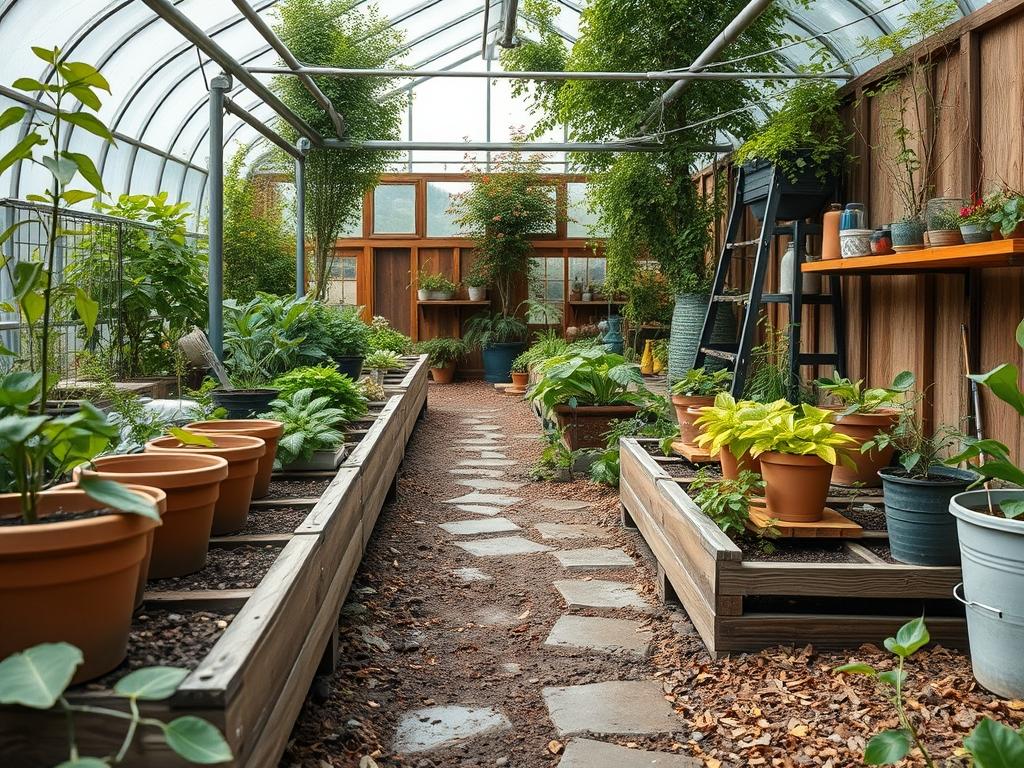
Designing a narrow backyard requires a psychological shift in how we perceive boundaries and depth. The primary challenge in long, slim lots is the “bowling alley” effect, where the eye travels instantly to the rear fence, making the space feel cramped and strictly functional rather than inviting. To combat this, a landscape architect must employ specific narrow backyard design hacks that prioritize visual interruption and transverse movement. By manipulating the horizontal and vertical planes, we can improve the outdoor functionality and curb appeal of an urban or suburban plot. Effective design also considers the microclimate of narrow spaces; tall fences can create deep shadows and limit airflow, necessitating a careful selection of materials and vegetation. Whether your goal is a serene retreat or a high-impact entertaining area, the focus should remain on creating balance through strategic layering and high-quality transitions.
Landscape Design Principles
Successful site planning for narrow corridors begins with the principle of axial diversion. Instead of a single straight path that bisects the lawn, a designer should introduce cross-axial lines. These lines draw the eye from side to side, effectively widening the perception of the lot. Symmetry can be used to create a sense of order, but asymmetrical balance often works better in tight quarters to prevent the space from feeling rigid. Focal points are essential tools in this process. By placing a fountain, a sculpture, or a specimen tree at a thirty-degree angle from the primary view, you force the observer to scan the entire width of the garden.
Elevation layers constitute another critical principle. When the ground plane is entirely flat, the narrowness is highlighted. Utilizing retaining walls or raised garden beds creates distinct levels that separate the garden into “rooms.” This verticality acts as a psychological barrier that suggests the space is larger than its square footage implies. Furthermore, irrigation planning must be integrated early. Deep sub-surface systems are preferred in narrow areas to prevent over-spray on timber fences or masonry walls, which can lead to moisture damage and staining over time.
15 Narrow Backyard Design Hacks
To maximize your footprint, consider these fifteen strategic interventions. First, implement diagonal paving patterns. Laying pavers or decking boards at a 45-degree angle to the house creates longer lines that fool the eye into seeing more width. Second, use vertical gardens. By moving the greenery to the walls with trellises or living wall modules, you save precious floor space for traffic. Third, create “outdoor rooms” using privacy screens or different flooring materials like gravel and blue stone.
Fourth, install built-in seating. Eliminating bulky chairs in favor of a perimeter bench made of cedar or composite provides more utility without crowding. Fifth, utilize columnar plant species. Trees like Skyrocket Junipers provide height without the wide canopy that would choke a thin yard. Sixth, incorporate mirrors. A weatherproof mirror mounted on a stone wall can double the visual depth of a garden bed. Seventh, use translucent fencing materials like frosted glass or horizontal slats, which allow light to penetrate and reduce the feeling of enclosure.
Eighth, create a sunken fire pit area. Dropping the elevation by just 12 inches makes the fences feel further away. Ninth, add a linear water feature. A narrow reflection pool or spillway adds sound and movement without requiring a large footprint. Tenth, employ light-colored materials. Whites, light grays, and creams reflect light, making the boundaries feel less oppressive. Eleventh, use oversized foliage in the foreground and fine-textured plants in the background to create atmospheric perspective.
Twelfth, install low-voltage landscape lighting to highlight vertical elements at night. Thirteenth, choose floating decks that do not require heavy railings. Fourteenth, use steatite or steel edging to keep lines crisp and prevent grass from encroaching on narrow paths. Finally, fifteenth, integrate multi-functional furniture that can be tucked away when not in use.
Plant and Material Selection
Selecting the right biological and hardscape elements is vital for longevity and aesthetics. In a confined area, every plant must earn its place.
| Plant Type | Sun Exposure | Soil Needs | Water Demand | Growth Speed | Maintenance |
| :— | :— | :— | :— | :— | :— |
| Skyrocket Juniper | Full Sun | Well-drained | Low | Moderate | Low |
| Japanese Maple | Partial Shade | Acidic, Rich | Moderate | Slow | Moderate |
| Climbing Hydrangea | Shade/Part Sun | Moist | High | Moderate | Low |
| Star Jasmine | Full Sun/Part | Loamy | Moderate | Fast | Moderate |
| Feather Reed Grass | Full Sun | Any | Low | Fast | Low |
| Boxwood (Dwarf) | Full Sun/Part | Well-drained | Moderate | Slow | High |
Implementation Strategy
The execution phase begins with a precise site survey. You must measure the width at multiple points, as many property lines are not perfectly parallel. Start with grading to ensure that water flows away from the home foundation and toward a proper drainage system, such as a French drain or dry creek bed. In narrow yards, soil compaction is a major issue due to concentrated foot traffic. Before installing any hardscaping, excavate at least 6 inches and lay a compacted crushed stone base or geotextile fabric.
When installing walkways, prioritize a width of at least 36 inches for comfortable movement. If using mulch, apply a layer at least 3 inches deep to suppress weeds and retain moisture, but keep it a few inches away from the stems of your woody ornamentals. For retaining walls, ensure you include weep holes to relieve hydrostatic pressure, especially in clay-heavy soils. Finally, when installing irrigation, use a drip system with emitters placed specifically at the root zone of each plant to minimize water waste and maintain the integrity of nearby structures.
Common Landscaping Failures
The most frequent mistake in narrow backyard design is failing to account for the mature size of trees. A Magnolia that looks beautiful in a 5 gallon pot will eventually consume the entire width of a garden, leading to expensive removal or structural damage. Another common failure is poor drainage. Since narrow yards are often flanked by tall neighbors or retaining walls, they can become basins for runoff. Without a dedicated catch basin or percolation trench, the soil becomes anaerobic and roots begin to rot.
Improper spacing of hardscape elements is also a common pitfall. Placing a large dining table in the center of a narrow patio can block all circulation. It is better to use the “edge-loading” technique where furniture is pushed to the peripheries. Lastly, many homeowners skip the soil test. In urban narrow lots, the soil is often “fill dirt” from previous construction, lacking the nutrients and structure needed for healthy growth. Always amend with organic compost before planting.
Seasonal Maintenance
A narrow landscape requires disciplined maintenance to prevent it from looking overgrown and chaotic. In the Spring, focus on pre-emergent application to stop weeds before they take hold in your pavers. This is also the time to prune summer-blooming shrubs and check your irrigation timers. During the Summer, perform an irrigation audit to ensure the concentrated heat between fences is not dehydrating your plants. Deep soaking twice a week is better than daily light misting.
Autumn is the season for aeration and overseeding of any lawn areas. Clear fallen leaves quickly; in a tight space, leaf litter can harbor mold and pests that spread rapidly through dense plantings. In Winter, protect delicate specimens from frost and inspect retaining walls for any movement caused by freeze-thaw cycles. Apply a fresh layer of bark mulch to insulate roots and keep the garden looking polished through the dormant months.
Professional Landscaping FAQ
How do I make a long, narrow yard look wider?
Break the visual line by creating separate zones or “rooms.” Use diagonal paving patterns and place focal points off-center. Introducing vertical elements of varying heights will draw the eye upward and outward rather than just toward the back fence.
What are the best trees for narrow spaces?
Opt for “fastigiate” or columnar varieties. Skyrocket Juniper, Slender Silhouette Sweetgum, and Italian Cypress provide height without width. Espaliered fruit trees are also excellent choices, as they can be trained to grow flat against a wall or fence.
How can I add privacy without building tall walls?
Use layered plantings. A combination of a medium-height fence topped with a trellis and climbing vines like Clematis offers privacy without feeling boxed in. Bamboo in contained troughs can also provide a tall, narrow, and modern screen.
Is grass a good idea for a narrow backyard?
In very tight spaces, a traditional lawn can be difficult to mow and maintain. Consider synthetic turf for a low-maintenance green look, or replace the lawn with a mix of hardscaping and groundcovers like Creeping Thyme or Mondo Grass.
How do I handle drainage in a narrow lot?
Always slope the grade away from the house at a minimum two percent incline. Install trench drains along patios and use permeable pavers to allow water to soak into the ground. Connect downspouts directly to an underground stormwater pipe.