
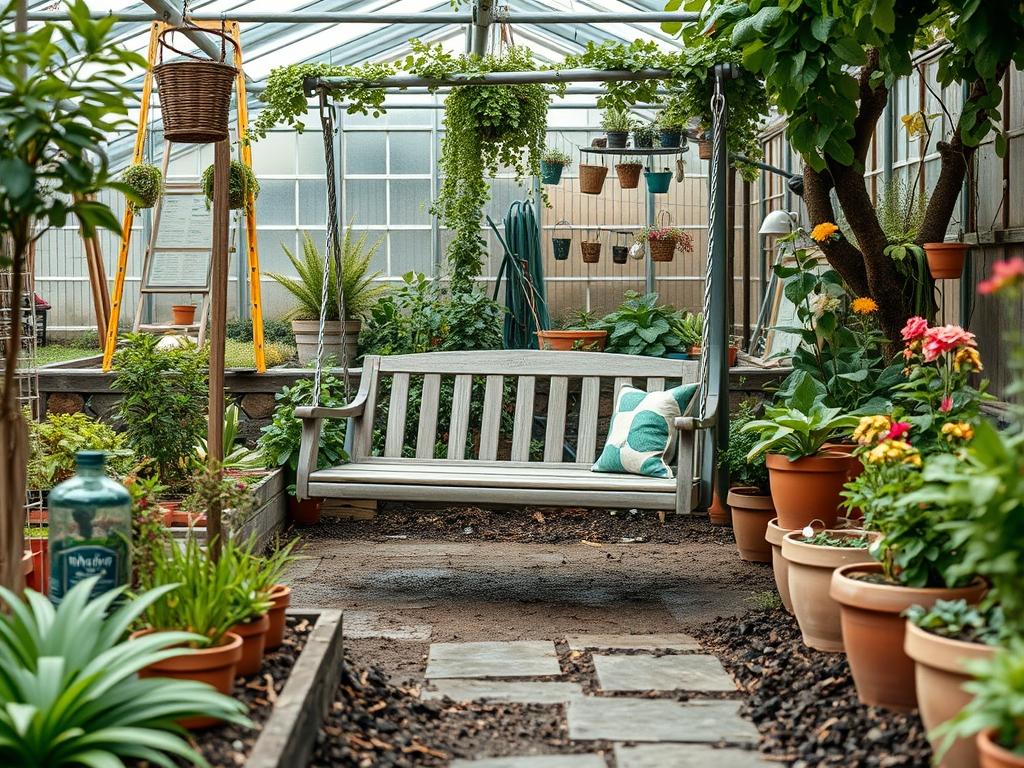
Integrating a structural element like a swing seat into a mature landscape involves more than simply finding a flat patch of grass. As a landscape architect, I view the placement of a swing seat as a complex negotiation between domestic comfort and environmental constraints. The primary challenge lies in creating a transition that feels intentional rather than accidental. A standalone swing can often look like an afterthought if it is not anchored by surrounding vegetation or hardscape elements. Climate considerations are also paramount; a seat placed in a wind tunnel or under the dripping canopy of a resinous tree will quickly become a maintenance burden rather than a sanctuary. The goal is to enhance curb appeal by treating the swing as a permanent architectural feature that adds to the visual value of the property while ensuring it provides maximum functionality for the residents.
Effective backyard swing seat styling requires a deep understanding of site orientation and the way light interacts with the garden throughout the day. If the seat faces west without adequate screening, the afternoon sun will render it unusable during peak summer months. Conversely, a seat tucked too deeply into a damp, shaded corner may succumb to mildew or insect activity. We must balance the desire for privacy with the need for air circulation. By utilizing professional grading techniques and thoughtful plant placement, we can transform a simple piece of furniture into a destination that defines the character of the entire outdoor environment.
Landscape Design Principles
Successful styling begins with the principle of visual balance and the establishment of a clear focal point. In any professional garden layout, the swing seat should serve as the terminus of a visual axis, pulling the eye through the landscape. Symmetry can be used to create a formal, classical feel, perhaps by flanking the swing with matching Concrete Planters or a pair of Evergreen Standard Trees. Alternatively, an asymmetrical approach works well for contemporary or cottage-style gardens, where the seat is nested within a layered composition of varying heights.
Elevation layers are essential for creating a sense of enclosure and intimacy around the seat. This is achieved by utilizing a three-tier planting strategy. The backdrop should consist of tall shrubs or a Cedar Privacy Screen to provide a sense of security. The mid-layer highlights texture and color, while the foreground uses low-growing perennials or groundcovers to soften the transition to the lawn or patio. Furthermore, the ground plane must be considered. A swing requires a stable, level surface, often necessitating the construction of a Stone Paver landing or a Decking Platform.
Irrigation planning and walkway integration are the final pillars of the design phase. A swing seat that is inaccessible during rainy weather due to muddy turf loses its utility. Installing a path made of Decomposed Granite or Flagstone ensures clean access year-round. Moreover, subsurface drainage must be addressed to prevent water from pooling under the seat, which can lead to wood rot or metal corrosion. By planning for these technical aspects early, we ensure that the aesthetic choices are supported by a sound structural foundation.
Plant and Material Selection
The choice of materials and flora directly impacts the longevity and sensory experience of the seating area. We prioritize low-debris plants and durable, weather-resistant hardscape materials.
| Plant Type | Sun Exposure | Soil Needs | Water Demand | Growth Speed | Maintenance Level |
| :— | :— | :— | :— | :— | :— |
| English Lavender | Full Sun | Well-drained | Low | Medium | Moderate (Annual Pruning) |
| Boxwood Shrub | Full to Part Sun | Loamy/Neutral | Moderate | Slow | Low (Occasional Shaping) |
| Japanese Maple | Filtered Shade | Slightly Acidic | Moderate | Slow | Moderate (Structural Pruning) |
| Feather Reed Grass | Full Sun | Clay or Loamy | Moderate | Fast | Very Low (Late Winter Cut) |
| Star Jasmine | Full to Part Sun | Rich/Moat | Moderate | Medium | Moderate (Support required) |
When selecting hardscape materials, Pressure-Treated Timber or Powder-Coated Steel are preferred for the swing frame due to their resistance to the elements. For the floor beneath the swing, Basalt Gravel or Pea Shingle provides excellent drainage while allowing for some movement of the seat. If using Mulch, ensure a depth of at least 3 inches to suppress weeds and maintain moisture for surrounding plants without making the area feel spongy or unstable.
Implementation Strategy
The implementation phase begins with a thorough site survey and grading plan. You must ensure the ground is perfectly level before any installation occurs. If the site has a significant slope, the construction of a low Retaining Wall made of Wall Blocks or Natural Stone may be necessary to create a flat terrace. Start by marking the footprint of the swing area with Marking Paint. Excavate the area to a depth of 6 inches to allow for a proper sub-base.
Once the excavation is complete, lay down a layer of Heavy-Duty Landscape Fabric to prevent weed growth and separate the soil from your bedding material. Add 4 inches of Crushed Limestone or 3/4-inch Rock as a structural base, compacting it thoroughly with a Plate Compactor. This base prevents the swing from sinking or shifting over time. If your design includes a permanent pergola or frame, the footings should be set in Quick-Set Concrete at a depth below the local frost line to ensure structural integrity during seasonal freeze-thaw cycles.
After the hardscape is set, focus on the edging. Use Steel Edging or Brick Pavers to create a crisp border between the swing area and the surrounding planting beds. This prevents grass from encroaching on the seating space and makes maintenance significantly easier. Finally, install your plants according to the design layers, adding Compost and Slow-Release Fertilizer to each hole to encourage vigorous root development. Finish the beds with a consistent layer of Bark Mulch to provide a polished, professional look.
Common Landscaping Failures
One of the most frequent mistakes in backyard swing seat styling is the neglect of proper drainage. Many homeowners place a swing in a low spot of the yard where water naturally collects. Without a 4-inch Corrugated Drainage Pipe or a French drain system, the area becomes a breeding ground for mosquitoes and a mud pit that ruins the aesthetics of the garden. Another common failure is root overcrowding. Planting large species like Weeping Willow or Silver Maple too close to the swing can lead to surface roots lifting the pavers or damaging the structural footings within a few years.
Improper spacing is another professional pitfall. Residents often underestimate the “swing zone,” the clear area needed in front of and behind the seat for safe operation. A minimum clearance of 6 feet is generally required to avoid hitting shrubs or hardscape features. Furthermore, soil compaction is a significant risk in high-traffic seating areas. If the ground is not protected by a hard surface or a thick layer of Gravel, the constant foot pressure will collapse the soil structure, suffocating the roots of nearby plants and leading to dead zones in the turf.
Seasonal Maintenance
To keep the seating area in peak condition, a seasonal management schedule is vital. In the spring, inspect the swing hardware for rust or wear. Apply a fresh coat of Outdoor Wood Sealer or paint if necessary. This is also the time to apply a 10-10-10 Granular Fertilizer to the surrounding garden beds to stimulate new growth. Prune any winter-damaged branches from surrounding shrubs like Hydrangea or Boxwood to maintain a clean silhouette.
During the summer months, focus on irrigation and pest management. Ensure that the Drip Irrigation Lines are functioning correctly, providing deep watering to the root zones during heatwaves. In autumn, clear fallen leaves from under the swing and from the crevices of the furniture to prevent rot. This is the ideal time to add a fresh 2-inch layer of mulch to protect plant roots from the upcoming cold. In winter, if the swing seat is removable, store the cushions and fabric elements in a dry location. For permanent structures, check for ice damage and clear heavy snow loads from pergola tops to prevent structural failure.
Professional Landscaping FAQ
How much space is required for a standard backyard swing?
You should allow for a minimum clearance of 72 inches in front of and behind the seat. This prevents collisions with walls or plants and ensures a safe arc of motion for all users in the garden.
What is the best ground cover for under a swing?
Engineered Wood Fiber or Pea Gravel are excellent choices. They provide superior drainage, are easy to level, and offer a softer landing surface than concrete or traditional stone pavers while remaining aesthetically pleasing.
Can I hang a swing from a mature tree limb?
Only if the limb is a hardwood species like Oak or Hickory and is at least 8 inches in diameter. You must use Tree Straps to prevent the mounting hardware from girdling the bark and killing the branch.
How do I prevent weeds from growing in the gravel seating area?
Install a high-quality Non-Woven Geotextile Fabric beneath the stone layer. Additionally, maintain a crisp edge with Aluminum Edging to prevent invasive grass rhizomes from creeping into the gravel base from the adjacent lawn area.
Is it necessary to anchor a freestanding swing frame?
Yes, for safety and stability. Use Ground Anchors or bolt the frame into Concrete Footings. This prevents the structure from tipping during high winds or vigorous use, protecting both the users and the surrounding landscape features.