
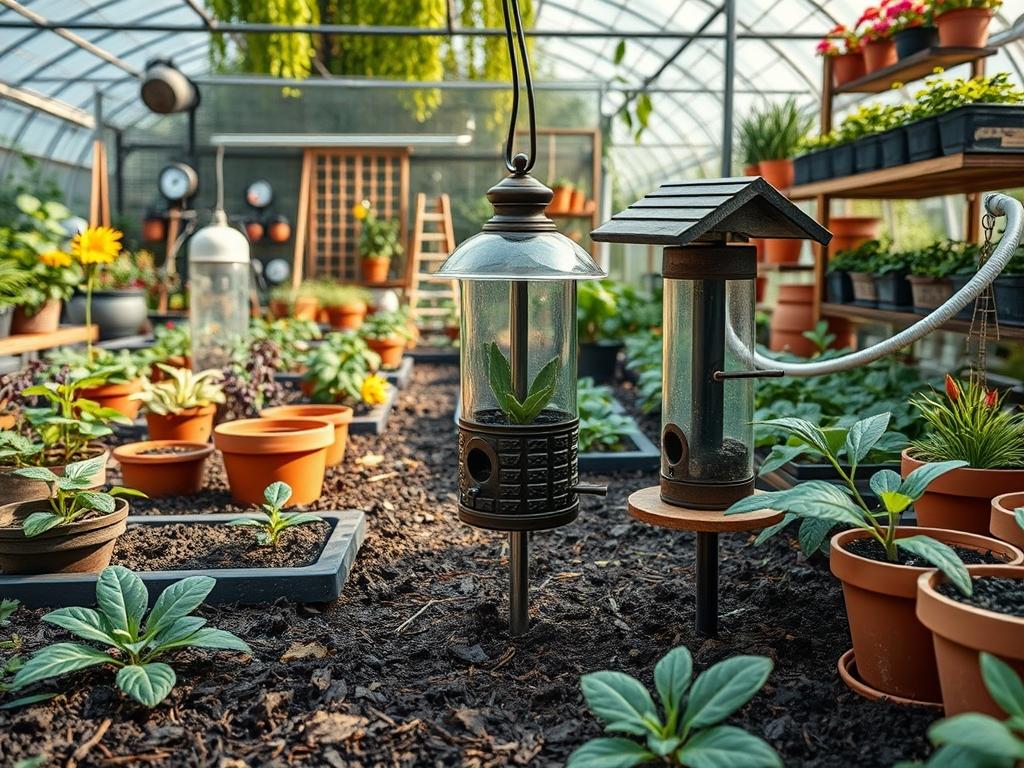
Integrating wildlife observation into a residential landscape requires a delicate balance between aesthetic appeal and functional architecture. When homeowners seek to install Squirrel-Proof Bird Feeders, they are often attempting to resolve a conflict between their desire for nature and the persistent interference of local rodents. From a senior landscape architect’s perspective, this is not merely a hardware choice but a spatial design challenge. Successful integration involves evaluating the site for climate endurance, ensuring curb appeal remains high, and maximizing the usability of the outdoor space. A poorly placed feeder can lead to trampled turf, unsightly seed hull accumulation, and structural damage if squirrels use nearby architectural elements as launching pads. By treating the bird feeder as a permanent focal point within the broader garden layout, we can create a sustainable environment that prioritizes the health of the local avian population while maintaining the pristine condition of the surrounding vegetation.
Climate considerations play a pivotal role in the placement and selection of these feeding stations. In regions with heavy snowfall, the feeder must be accessible without disrupting the winter dormancy of nearby shrubs. Conversely, in humid coastal environments, the materials must resist rust and salt spray. The placement of the feeder serves as a primary visual anchor, directing the eye toward specific zones of the yard. This creates an opportunity to enhance curb appeal by using the feeder as a central piece of a larger wildlife habitat. When we plan these spaces, our goal is to ensure the feeder does not look like an afterthought but rather a deliberate component of the structural landscape. This involves calculating the distance from the nearest canopy, managing the drainage beneath the station, and selecting ground covers that can handle the inevitable increase in local bird activity.
Landscape Design Principles
Effective landscape design relies on the core concepts of symmetry and visual weight. When positioning a feeder, it should act as a focal point that draws viewers toward a specific sightline, perhaps through a window or from a shaded patio. We often utilize the rule of thirds to place feeders within a garden bed, ensuring they are not centrally isolated in a sea of grass. This placement allows for natural screening using mid-height shrubs, which provides birds with a safe retreat from predators while keeping the feeder visible for observation.
Elevation layers are critical for both the health of the birds and the efficiency of Squirrel-Proof Bird Feeders. Most squirrels can jump a distance of nearly 10 feet horizontally and climb almost any vertical surface. Therefore, we design the landscape with clear zones. We recommend a “5, 7, 9 rule” where the feeder is at least 5 feet off the ground, 7 feet away from horizontal jump points, and 9 feet from overhead branches. By using 6-foot steel poles or baffled mounting systems, we create an architectural barrier that works in tandem with the feeder’s mechanical deterrents. Symmetry is maintained by balancing these tall vertical elements with low-growing perennials or fountain grass at the base.
Walkway planning is another often overlooked design principle. Constant traffic to refill feeders can lead to soil compaction and unsightly “cow paths” across a lawn. We incorporate flagstone pavers or decomposed granite paths that lead directly to the feeding station. This not only protects the root systems of nearby plants but also defines the space as a functional zone. Integration with irrigation systems is also vital to keep the base area clean. Well-placed bubbler emitters or a slight 2 percent grade away from the feeder pole ensures that heavy rains wash away seed hulls and droppings, preventing the buildup of pathogens in the soil.
Plant and Material Selection
| Plant Type | Sun Exposure | Soil Needs | Water Demand | Growth Speed | Maintenance Level |
| :— | :— | :— | :— | :— | :— |
| Echinacea (Coneflower) | Full Sun | Well-drained | Low | Moderate | Low |
| Ilex glabra (Inkberry Holly) | Full to Part Sun | Acidic, Moist | Medium | Slow | Moderate |
| Panicum virgatum (Switchgrass) | Full Sun | Adaptable | Low | Fast | Low |
| Lavandula (Lavender) | Full Sun | Sandy, Sharp Drainage | Very Low | Moderate | Moderate |
| Amelanchier (Serviceberry) | Part Shade to Sun | Loamy | Medium | Moderate | Low |
| Berberis (Barberry) | Full Sun | Any | Low | Moderate | Low |
Implementation Strategy
The first step in a professional backyard layout is the grading of the site. I always recommend a slight elevation for the bird feeder area to ensure that water does not pool around the base of the mounting pole. After establishing the grade, we utilize landscape fabric and a 3-inch layer of river rock or pea gravel in a 36-inch radius around the pole. This creates a “sterile zone” where fallen seeds cannot easily sprout into weeds and where squirrels cannot comfortably hide in tall vegetation while approaching the feeder.
Next, we establish the edging. Steel landscape edging or tumbled brick provides a clean transition between the gravel base and the surrounding planting beds. Within these beds, we prioritize native species that offer secondary food sources, such as berries or nectar. For example, planting Holly at the perimeter of the jump zone provides a thorny barrier that squirrels find difficult to navigate, while the berries feed the birds during winter months.
Hardscaping should be installed before the final planting phase. If the feeder is located in a high-wind area, we use a concrete footing for the shepherds hook or feeder post to prevent leaning. Once the structure is secure, we apply a hardwood mulch to the surrounding beds, maintaining a depth of 2 to 3 inches. This mulch helps retain moisture for the perennials and provides a finished look that enhances the overall aesthetic of the backyard. Drainage must be checked one final time to ensure that no runoff from the feeder zone impacts sensitive root systems nearby.
Common Landscaping Failures
One of the most frequent mistakes in bird-centric landscapes is root overcrowding. Homeowners often plant large trees too close to the feeder, which eventually provides squirrels with an easy overhead route to circumvent even the best Squirrel-Proof Bird Feeders. As trees mature, their canopy spreads, and a distance that was safe at planting becomes a bridge for rodents within three years. We suggest calculating the mature width of any tree species before finalizing the feeder location.
Improper spacing and soil compaction are also significant issues. When feeders are placed in the middle of a high-performance lawn, the concentrated foot traffic from refilling the station will eventually kill the Kentucky Bluegrass or Fescue. This results in a muddy patch that detracts from the curb appeal. Furthermore, a lack of proper drainage can lead to soil souring. When bird seed falls into wet soil, it ferments and creates an environment where mold thrives, which can be toxic to the birds and damaging to the roots of nearby Boxwoods or Azaleas.
Finally, irrigation inefficiencies can ruin a well-planned garden. If spray heads are aimed directly at the feeding station, the seed inside will clump and rot. We always adjust the sprinkler nozzles or utilize netafim drip tubing around the base of the feeder to ensure the water goes directly to the plants without saturating the feeding equipment. Neglecting the relationship between the irrigation map and the feeder placement is a recipe for maintenance headaches.
Seasonal Maintenance
In the spring, the focus should be on cleaning the area and replenishing materials. We remove any accumulated seed hulls that have been trapped in the river rock and refresh the mulch in the adjacent beds. This is also the time to check the stability of the ground anchors and ensure the baffles on the Squirrel-Proof Bird Feeders are functioning correctly after the winter freeze.
Summer management involves monitoring heat stress and ensuring the birds have access to water. If you have a bird bath near your feeder, it must be scrubbed weekly with a stiff brush to prevent algae. We also check the irrigation timers to ensure the plants in the feeder zone are receiving adequate moisture during peak heat, as thirsty plants may wilt and lose their effectiveness as natural screening.
Autumn is the season for structural adjustments. We prune back any branches that have grown into the “jump zone” using bypass loppers. It is also an ideal time to plant spring-blooming bulbs like Daffodils around the base of the feeder, as squirrels generally find these bulbs unpalatable and will leave the area alone.
Winter maintenance is focused on accessibility and protection. We ensure the walkways are cleared of snow so the feeders can be refilled without trampling dormant perennials. If you live in a region with heavy ice, check that the mechanical closure systems on the feeders are not frozen shut. Providing high-energy suet during this time is beneficial, but the suet cages must also be protected by a large dome baffle to prevent squirrel theft.
Professional Landscaping FAQ
What is the best ground cover for under a bird feeder?
We recommend using pea gravel or river rock over landscape fabric. This prevents seeds from germinating in the soil while making it easy to rake up debris and maintain a clean, professional aesthetic for the yard.
How far should a feeder be from a deciduous tree?
A minimum distance of 10 feet is recommended. Squirrels are capable of incredible leaps from tree trunks or branches. Keeping this distance ensures the mechanical deterrents of Squirrel-Proof Bird Feeders can function without being bypassed from above.
Can I use thorny shrubs to deter squirrels near feeders?
Yes, planting Barberry or Hawthorn near the base of the feeder pole can discourage climbing. However, these should be placed at the perimeter of your maintenance path to avoid injury while you are refilling the seed bins.
Will bird seed kill my lawn?
The seed itself is typically not the problem, but the accumulation of hulls can change the soil pH and block sunlight. Using a no-mess seed blend and a hardscaped landing zone protects the health of your turf.
Does irrigation affect squirrel deterrents?
Direct spray can cause mechanical parts on some feeders to rust or stick. Always use drip irrigation near feeder stations to keep the soil moist for plants while ensuring the feeder hardware remains dry and fully operational.