
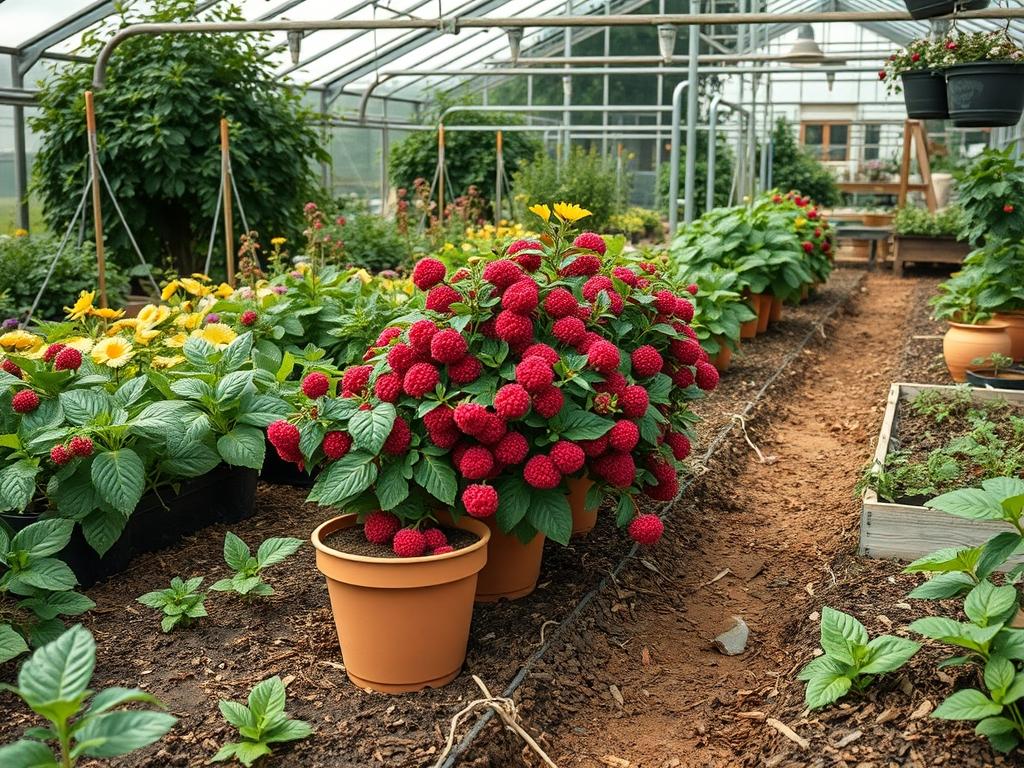
Modern landscape architecture often faces a recurring conflict between aesthetic elegance and functional utility. For decades, the standard approach to residential perimeters involved sterile privacy hedges or non-fruiting ornamental shrubs that offered little more than a visual screen. However, the shift toward edible urbanism has introduced a more sophisticated strategy: the integration of Backyard Berry Bush Borders. This approach merges the structural benefits of traditional hedging with the productivity of a small-scale orchard. By selecting specific cultivars and arranging them with spatial precision, a designer can create a multi-dimensional environment that addresses privacy, provides habitat for pollinators, and serves as a sustainable food source. Success in this endeavor requires a deep understanding of local microclimates, as the heat radiation from a brick wall or the prevailing wind direction can significantly impact fruit set and plant health.
Building a productive border is not merely about planting a row of shrubs. It involves a site-specific analysis of topography, sunlight duration, and soil composition. The goal is to create a transition zone that feels like a natural extension of the outdoor living area rather than a cluttered agricultural patch. When we design these borders, we look at the curb appeal from the street as much as the view from the patio. A well-executed Backyard Berry Bush Border uses height variations and foliage textures to create a sense of enclosure without making the space feel cramped. This balance of enclosure and openness is the hallmark of professional environmental design; it turns a simple backyard into a sanctuary that feels curated and intentional.
Landscape Design Principles
Effective landscape design relies on the core principles of symmetry, focal points, and elevation layers. When planning Backyard Berry Bush Borders, we apply these by treating the bushes as structural elements first and food producers second. Symmetry can be achieved through the repetitive use of upright species like Highbush Blueberries as vertical anchors. These plants provide a consistent rhythm along a fence line or walkway. To avoid a monochromatic look, we introduce focal points using specimen plants with unique architectural forms, such as the weeping branches of certain Mulberry varieties or the bold, umbrella-like canopy of a Serviceberry tree.
Elevation layering is perhaps the most critical principle for a productive border. We utilize a “stair-step” approach where the tallest species occupy the rear of the bed against a retaining wall or fence, while smaller, more compact varieties sit at the front. This ensures that every plant receives adequate sunlight and allows the homeowner to harvest fruit without trampling the root zones. For instance, placing Elderberries or Highbush Cranberries in the back provides a dense screen, while lower-profile shrubs like Red Currants or Lingonberries form the leading edge. This layering also simplifies the installation of irrigation systems, as emitters can be staggered to meet the varying water demands of each layer efficiently.
Plant and Material Selection
Selecting the right biological and physical materials is the foundation of any long-term landscaping project. The choices must reflect the specific USDA Hardiness Zone and the soil’s drainage capacity.
| Plant Type | Sun Exposure | Soil Needs | Water Demand | Growth Speed | Maintenance Level |
| :— | :— | :— | :— | :— | :— |
| Blueberry | Full Sun | Acidic (pH 4.5 to 5.5) | High / Regular | Moderate | Moderate |
| Raspberry | Full Sun to Part Shade | Loamy / Well-Drained | Moderate | Fast | High (Pruning) |
| Blackberry | Full Sun | Rich / Organic | Moderate | Fast | High (Support Trailing) |
| Currant | Part Shade | Cool / Moist | Moderate | Moderate | Low |
| Serviceberry | Full Sun to Part Shade | Adaptable | Low once established | Moderate | Low |
| Elderberry | Full Sun to Part Shade | Moist / Fertile | High | Very Fast | Moderate |
| Honeyberry | Full Sun to Part Shade | Adaptable / Clay tolerant | Moderate | Moderate | Low |
In addition to the plants, the choice of hardscaping materials like steel edging, cedar mulch, and lava rock defines the border’s limits. Using geotextile fabric beneath the mulch can prevent weed intrusion, although many architects prefer a thick layer of organic compost to improve soil structure over time. For high-traffic areas, flagstone paths or decomposed granite walkways should be integrated into the design to allow for easy access during harvest periods.
Implementation Strategy
The physical implementation of Backyard Berry Bush Borders begins with proper site preparation. First, the area must be cleared of existing turf and weeds using a mechanical sod cutter or a square-point spade. Once the soil is exposed, grading is performed to ensure that water moves away from the home’s foundation and does not pool in the root zones of the new shrubs. If the site has poor drainage, we often recommend installing a French drain or mounding the soil into raised berms to enhance aeration.
After the ground is prepared, the layout is marked using landscaping spray paint or bamboo stakes. We recommend a spacing of at least 3 feet between most berry shrubs to allow for future growth and airflow. When digging the planting holes, the width should be twice the size of the root ball, but no deeper than the original container depth. This prevents the settling of the crown, which can lead to rot. Once the plants are in the ground, a 2-inch layer of wood chips or pine bark mulch is applied to regulate soil temperature and retain moisture. For varieties that require support, such as primocane-fruiting raspberries, a T-post and wire trellis system should be installed concurrently to avoid disturbing the roots later.
Common Landscaping Failures
One of the most frequent errors in hobbyist landscaping is the neglect of soil pH and nutrient management. Blueberries, for example, are calcifuges and will quickly develop chlorosis if the soil is too alkaline. Failure to amend the soil with elemental sulfur or peat moss before planting often leads to stunted growth and poor fruit quality. Another common mistake is improper spacing. While a dense border looks good immediately after planting, overcrowding leads to poor air circulation. This creates a breeding ground for fungal pathogens like powdery mildew and botrytis fruit rot.
Irrigation inefficiency is a third major hurdle. Relying on overhead sprinklers can lead to significant water loss through evaporation and may cause disease by keeping the foliage wet for extended periods. A professional-grade drip irrigation system with pressure-compensating emitters is the preferred solution. Additionally, many homeowners forget to install a root barrier when planting aggressive spreaders like Blackberries. Without a physical barrier, these plants can send runners into the lawn or adjacent flower beds, turning a tidy border into an invasive mess within a few seasons.
Seasonal Maintenance
Maintaining a productive landscape requires a proactive, four-season approach. In the Spring, the focus is on nutrient replenishment and scouting for pests. Applying a balanced 10-10-10 fertilizer or a specialized acidifying fertilizer for specific crops ensures vigorous early-season growth. This is also the time to refresh mulch depths to maintain the 3-inch standard before the summer heat arrives.
Summer maintenance revolves around water management and harvest. During periods of drought, deep watering sessions are more effective than frequent shallow bursts, as they encourage deep root development. In the Autumn, the priority shifts to sanitation and structural pruning. Removing dead or diseased canes and thinning out older wood allows the plant to focus its energy on next year’s buds. Finally, Winter provides an opportunity for dormant pruning and protection. In colder climates, wrapping young shrubs in burlap or applying a layer of straw mulch around the base protects the root systems from freeze-thaw cycles. Keeping tools like bypass pruners and loppers sharpened and sanitized is essential to prevent the spread of pathogens during these seasonal tasks.
Professional Landscaping FAQ
How do I choose the best location for berry borders?
Prioritize areas receiving at least six to eight hours of direct sunlight. Ensure the site has excellent drainage and is protected from harsh, drying winds. Proximity to a water source is essential for maintaining the drip irrigation schedule during summer.
What is the best way to prevent birds from eating the harvest?
Integrating bird netting over a lightweight PVC framework is the most effective physical deterrent. Alternatively, planting high-yield varieties like Serviceberries can act as a sacrificial crop, providing enough fruit for both the local wildlife and the household.
Can I grow berry bushes in heavy clay soil?
Yes, but you must improve the structure. Incorporate organic matter and use raised beds or berms to elevate the root systems. Species like Elderberry and Honeyberry are more tolerant of heavy soils than sensitive varieties like Blueberries.
How often should I fertilize my backyard berry border?
Apply a primary application of slow-release fertilizer in early spring as buds break. A secondary, lighter application can be done in early summer. Avoid fertilizing in late autumn, as this encourages soft growth that can be damaged by winter frost.
Do I need more than one variety for fruit production?
While many modern cultivars are self-fertile, planting at least two different varieties of the same species often results in larger fruit and higher yields. This is particularly true for Blueberries and Honeyberries, which rely heavily on cross-pollination from different genotypes.