
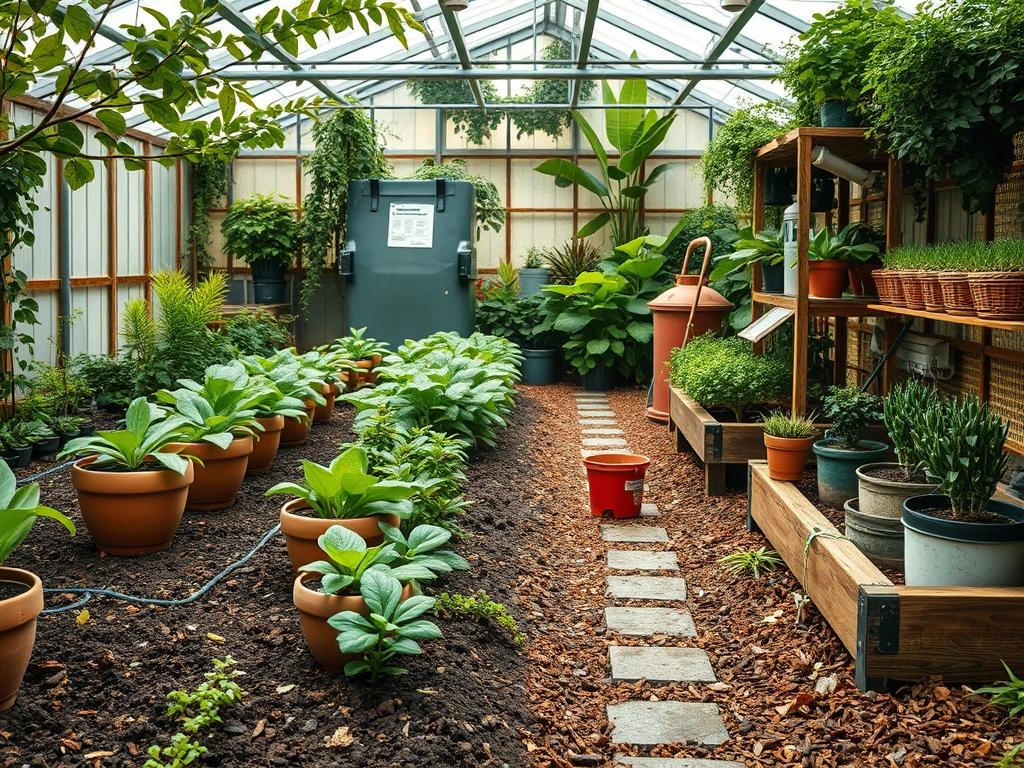
The transformation of a standard residential exterior into a sophisticated, climate-controlled sanctuary requires more than just high-end furniture and exotic flora. In regions where summer temperatures consistently exceed comfortable thresholds, the outdoor environment often becomes unusable during peak daylight hours. This functional deficit directly impacts the return on investment for high-end landscape projects, as beautiful hardscaping remains empty when the heat becomes oppressive. A professionally designed Backyard Misting System Setup serves as the vital bridge between aesthetic excellence and true habitability. By employing flash evaporation technology, these systems can reduce ambient temperatures by as much as 30 degrees Fahrenheit without saturating the surrounding area. This allows for the integration of social zones that remain refreshing, even in arid or humid climates, while simultaneously enhancing the curb appeal through the subtle, luxury-grade atmosphere of a controlled micro-climate.
Landscape Design Principles
Effective integration of a Backyard Misting System Setup begins with a comprehensive site analysis that prioritizes symmetry and focal points. When we design these spaces, we view the misting line as an architectural extension of the home or the primary pergola. Symmetry is achieved by aligning the 3/8 inch stainless steel misting lines with the structural beams of the overhead cover, ensuring that the visual weight of the hardware is balanced across the horizontal plane. If the lines are visible, they should appear as a deliberate design choice rather than an afterthought. We often use powder-coated copper or brushed steel to match existing lighting fixtures, maintaining a cohesive material palette throughout the site.
Elevation layers play a critical role in how the mist interacts with the landscape. Since cool air is denser than warm air, we place misting nozzles at heights of 8 to 10 feet to allow ample time for the water droplets to evaporate before reaching the ground. This prevents the formation of puddles on high-value stone surfaces like Travertine or Slate. Visual balance is further maintained by concealing the high-pressure pump units within decorative enclosures or behind retaining walls. By burying the polyurethane supply tubing under a layer of 3 inches of cedar mulch, we keep the mechanical components out of sight, preserving the clean lines of the walkways and garden beds.
Plant and Material Selection
The introduction of consistent moisture, even in the form of a fine mist, creates a specialized hydro-zone. We must select plants that thrive in supplemental humidity while ensuring they do not suffer from fungal issues due to foliage dampness.
| Plant Type | Sun Exposure | Soil Needs | Water Demand | Growth Speed | Maintenance Level |
| :— | :— | :— | :— | :— | :— |
| Ostrich Fern | Full Shade | Loamy/Moist | High | Medium | Low |
| Hosta (Giant) | Partial Shade | Rich/Well-Drained | Moderate | Fast | Low |
| Creeping Jenny | Full Sun/Part Shade | Moist | High | Aggressive | Medium |
| Japanese Maple | Morning Sun | Well-Drained | Moderate | Slow | High |
| Canna Lily | Full Sun | Rich/Humus | High | Fast | Medium |
| Elephant Ear | Partial Shade | Wet/Rich | Very High | Fast | Medium |
When selecting materials for the hardscape beneath the misting zone, porosity is key. We recommend permeable pavers or decomposed granite to prevent water accumulation. If you are using natural flagstone, ensure it is treated with a non-slip sealant, as even a fine mist can create a slick surface over time.
Implementation Strategy
The first step in a successful Backyard Misting System Setup is the grading of the site. Even with high-pressure nozzles, some moisture will inevitably settle. The ground must be sloped at a minimum of 2 percent away from the home foundation and toward a dedicated French drain or bioswale. Once the grading is finalized, we lay out the distribution network. A professional setup requires a 1000 PSI high-pressure pump to achieve the ultra-fine droplet size necessary for flash evaporation. Low-pressure systems often result in large drops that simply get people wet, which defeats the cooling purpose.
After installing the pump on a concrete pad, we run the high-pressure hose through a series of sediment filters and calcium inhibitors. This protects the 0.008-inch nozzles from clogging due to mineral deposits. For the edging of the misting zone, use aluminum landscape edging to create a sharp transition between the cooled patio and the surrounding lawn. When laying the lines across a pergola or roofline, use rubber-cushioned clamps every 12 inches to prevent vibration noise from the pump pulses. Finally, cover all sub-surface lines with at least 4 inches of topsoil before adding your finish layer of river rock or mulch to provide adequate thermal protection for the pipes.
Common Landscaping Failures
One of the most frequent mistakes in a Backyard Misting System Setup is improper spacing of the nozzles. Placing them too close together creates a localized zone of high humidity that prevents evaporation, leading to a “wall of dampness.” We recommend spacing nozzles every 24 to 36 inches depending on the average wind speed of the property. Another common failure is the neglect of drainage. Without a proper exit strategy for excess water, soil compaction occurs, leading to root rot in sensitive species like Azaleas or Boxwoods.
We also observe many DIY installations that fail to account for root overcrowding. When you introduce a consistent moisture source, nearby trees like Willow or Birch will aggressively send roots toward the lines. If the lines are not protected by a root barrier, the pipes can be crushed or shifted within two growing seasons. Furthermore, using the wrong irrigation timing for the surrounding plants can lead to “lazy roots,” where the plants stop growing deep into the soil because moisture is always available at the surface. This makes them highly susceptible to drought if the misting system is turned off for an extended period.
Seasonal Maintenance
Managing a Backyard Misting System Setup requires a disciplined seasonal approach. In the spring, the primary focus is on descaling. We remove each stainless steel nozzle and soak them in a citric acid solution to dissolve winter mineral buildup. We also check the pump oil and replace the filter cartridges to ensure maximum pressure. Summer is the period of daily operation, where we monitor the spray patterns for any drift that might be over-saturating specific plant beds. If a particular area looks too wet, we swap the nozzle for one with a lower flow rate.
Autumn management involves clearing debris from the drainage grates and pruning back any overhanging branches. Foliage that grows too close to the misting lines will collect water and drip onto the furniture below. Finally, winterization is the most critical phase for longevity. In colder climates, we must use an air compressor to blow all water out of the stainless steel lines. Even a small amount of trapped water can freeze and crack the fittings. The pump unit should be disconnected and stored in a climate-controlled environment like a thermal-insulated garage to prevent internal seal damage.
Professional Landscaping FAQ
How do I choose the right pump for my misting setup?
Select a 1000 PSI pump for residential sites. High pressure ensures the water droplets are small enough to evaporate instantly without wetting surfaces. Low-pressure pumps are generally ineffective for cooling and usually lead to unwanted moisture accumulation on patios.
Can I use tap water for my misting system?
Yes, but it requires a filtration system. Hard water contains minerals that will clog small nozzles within weeks. Use a sediment filter and a polyphosphate scale inhibitor to prevent calcium buildup and extend the life of your equipment.
Will the misting system damage my wooden deck?
Natural wood can warp or rot if exposed to constant moisture. To protect it, ensure the system operates at high pressure for flash evaporation. Use a high-quality wood sealer and maintain a 8-foot minimum height for the misting lines.
How much water does a typical misting system use?
Most professional nozzles flow at approximately 0.02 gallons per minute. A standard system with 20 nozzles will use roughly 24 gallons per hour. This is significantly less than the volume used by a standard lawn sprinkler system.
Is it possible to automate the misting schedule?
We recommend using an integrated smart controller with a solenoid valve. This allows you to synchronize the misting with your outdoor lighting or HVAC system. Advanced controllers also include humidity sensors that deactivate the system when evaporation is no longer efficient.