
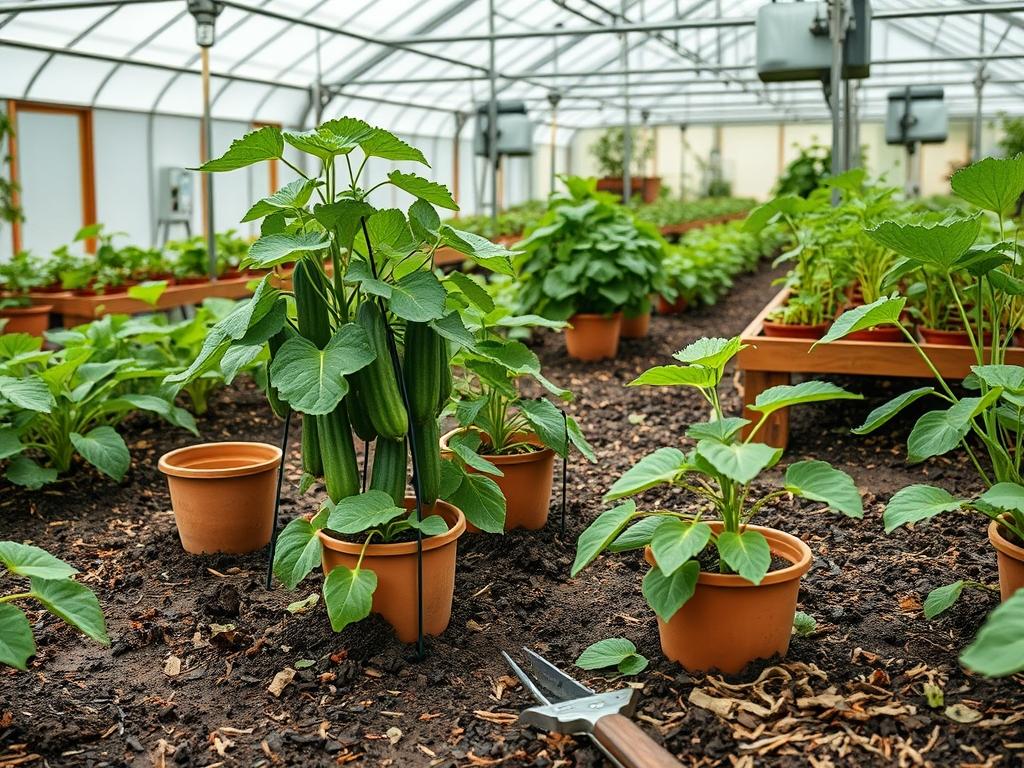
Integrating functional food high production into a residential landscape requires more than just fertile soil; it demands a sophisticated approach to vertical spatial management. Many homeowners struggle with the sprawling, chaotic nature of vine crops which can quickly overwhelm manicured lawns and impede walkway access. By implementing engineered Backyard Cucumber Supports, we transition the garden from a two dimensional utility space into a three dimensional architectural feature. This shift not only optimizes the footprint of the garden but also enhances the curb appeal of the property by replacing ground level clutter with clean, vertical lines. In many temperate and subtropical climates, the humidity at the soil level can lead to rapid fungal infections. Elevating the foliage through purposeful landscaping structures introduces critical airflow and sunlight penetration, which are the primary defenses against crop failure. From a design perspective, these supports act as living privacy screens and focal points that draw the eye upward, making even a small backyard feel more expansive and intentionally curated.
Landscape Design Principles
Successful vertical gardening relies on the same core principles as any high end hardscaping project. Symmetry and visual balance ensure that the structures do not look like afterthoughts but rather like integral components of the outdoor living environment. For instance, placing a pair of matching cedar A-frame trellises at the terminus of a stone walkway creates a sense of arrival and purpose. These structures serve as focal points that anchor the garden layout, providing a transition between lower lying shrubs and taller perimeter trees.
Elevation layers are equally important. In a well designed landscape, we look for ways to occupy different heights to create depth. By using arched cattle panels or high tensile wire systems, a designer can create “tunnels” or “green walls” that provide shade for shade loving underplantings like lettuce or spinach. This layered approach maximizes the utility of every square foot. Furthermore, irrigation planning must be integrated into the structural design. Subsurface drip irrigation lines should be routed along the base of the supports to provide consistent moisture to the root zones without wetting the leaves, which minimizes the risk of Downy Mildew. Finally, walkways surrounding these supports should be constructed from stable materials like crushed limestone or decomposed granite to provide easy access for maintenance while maintaining a clean, professional aesthetic.
Plant and Material Selection
| Plant or Material | Sun Exposure | Soil Needs | Water Demand | Growth Speed | Maintenance Level |
| :— | :— | :— | :— | :— | :— |
| Slicing Cucumbers | Full Sun | Rich, Loamy | High | Very Fast | Moderate |
| Pickling Cucumbers | Full Sun | Well-Drained | High | Fast | High |
| Galvanized Steel Panels | N/A | N/A | N/A | N/A | Low |
| Western Red Cedar | N/A | N/A | N/A | N/A | Low |
| Nylon Trellis Netting | N/A | N/A | N/A | N/A | Seasonal Replacement |
| Bush Varieties | Full Sun | Compost-Rich | Moderate | Moderate | Low |
Implementation Strategy
The implementation of sturdy Backyard Cucumber Supports begins with site grading and soil preparation. Before any structure is erected, the ground should be leveled to ensure the vertical supports do not lean, which could lead to structural failure under the weight of a heavy harvest. A single healthy cucumber vine can produce dozens of fruits; when multiplied across a large trellis, the weight can exceed one hundred pounds. For permanent installations, start by marking the footprint with landscape stakes and string lines. Use a post-hole digger to set 4×4 pressure treated posts or cedar posts at least eighteen inches into the ground. If the soil is sandy or prone to shifting, backfill the holes with fast-setting concrete or compacted gravel to ensure lateral stability.
Once the primary posts are set, the choice of infill material dictates the aesthetic. For a modern, industrial look, galvanized cattle panels are superior. These panels are typically sixteen feet long and can be arched between two raised beds or stapled flat against a wooden frame. If a more traditional, rustic feel is desired, custom built cedar lattices provide a warm, organic texture. After the structure is secure, apply a three inch layer of hardwood mulch or pine bark nuggets around the base. This mulch layer serves two purposes; it regulates soil temperature and prevents soil from splashing onto the leaves during rain events. Finally, ensure that the edging between the garden bed and the walkway is crisp and well defined, using materials like steel edging or paver stones to prevent the encroachment of turf grass into the cucumber root zone.
Common Landscaping Failures
The most frequent mistake in backyard agriculture is underestimating the weight and wind load of vertical structures. Flimsy bamboo stakes or thin plastic netting often collapse during mid summer storms when the vines are at their heaviest. This failure not only ruins the crop but can also damage surrounding ornamental plants. Another common issue is root overcrowding. While vertical supports save surface space, the root systems still require significant volume to thrive. Planting too many seedlings at the base of a single support leads to competition for nutrients and water, resulting in stunted growth and bitter fruit.
Drainage is another area where many landscape plans fall short. If a support structure is placed in a low lying area of the yard without proper grading, water will pool at the base. This causes subterranean rot in wooden posts and oxygen deprivation for the plants. Soil compaction is a hidden enemy in garden planning; frequent foot traffic around a trellis can compress the earth, making it difficult for water to reach the feeder roots. To combat this, always designate specific paths and avoid stepping directly into the planting beds. Lastly, vertical gardening requires a refined approach to irrigation. Overhead sprinklers are generally inefficient for trellised plants as the dense canopy acts as an umbrella, preventing water from reaching the soil while simultaneously creating the humid environment that pathogens crave.
Seasonal Maintenance
Landscape management is a year round commitment that changes with the seasons. In the Spring, focus on structural audits. Check for loose screws, rot in wooden components, or rust on metal panels. This is also the time to amend the soil with high quality organic compost and to test the irrigation emitters for clogs. Once the danger of frost has passed, transplant seedlings at the base of your Backyard Cucumber Supports, spacing them at least twelve inches apart to allow for mature expansion.
During the Summer, the primary task is training the vines. While cucumbers have natural tendrils, they often need encouragement to climb the lower sections of the support. Use soft garden twine or velcro plant ties to secure the main stems to the structure. Regularly prune the “suckers” or lower yellowing leaves to maintain high levels of air circulation. As the Autumn arrives and the harvest concludes, it is vital to remove all spent plant material. Do not leave dead vines on the trellis over winter, as they can host pests and diseases like Cucumber Beetles or Bacterial Wilt. Sanitize the supports with a diluted oxygen bleach solution to prepare for the following year. In Winter, if you are using movable structures like A-frames, store them in a dry shed. For permanent installations, apply a fresh coat of UV resistant sealer to wooden elements to protect them from snow and ice damage.
Professional Landscaping FAQ
What is the best material for long term cucumber supports?
Galvanized steel cattle panels and Western Red Cedar are the premier choices. Steel offers unmatched tensile strength and durability, while cedar provides natural rot resistance and a high end aesthetic that complements most residential architectural styles.
How high should a cucumber trellis be designed?
For most backyard applications, a height of five to seven feet is optimal. This allows the vines enough vertical room to expand while keeping the fruit within easy reaching distance for the average adult without the need for a ladder.
Can I grow cucumbers vertically in large containers?
Yes, cucumbers thrive in large containers if provided with a stable obelisk or cylindrical cage. Ensure the container has a minimum capacity of five gallons and is weighted at the bottom to prevent the structure from tipping in high winds.
How do I prevent my wooden supports from rotting in the ground?
Always use pressure treated lumber rated for ground contact or naturally resistant species like cedar or redwood. Additionally, setting the posts in a sleeve of crushed gravel helps water drain away from the wood more effectively than soil.
Do vertical supports affect the flavor of the cucumbers?
Indirectly, yes. By elevating the fruit, you prevent the “ground spot” yellowing and reduce contact with soil pests. Better sunlight exposure and consistent air circulation lead to healthier plants, which typically produce sweeter, more uniform, and crisper fruit.