
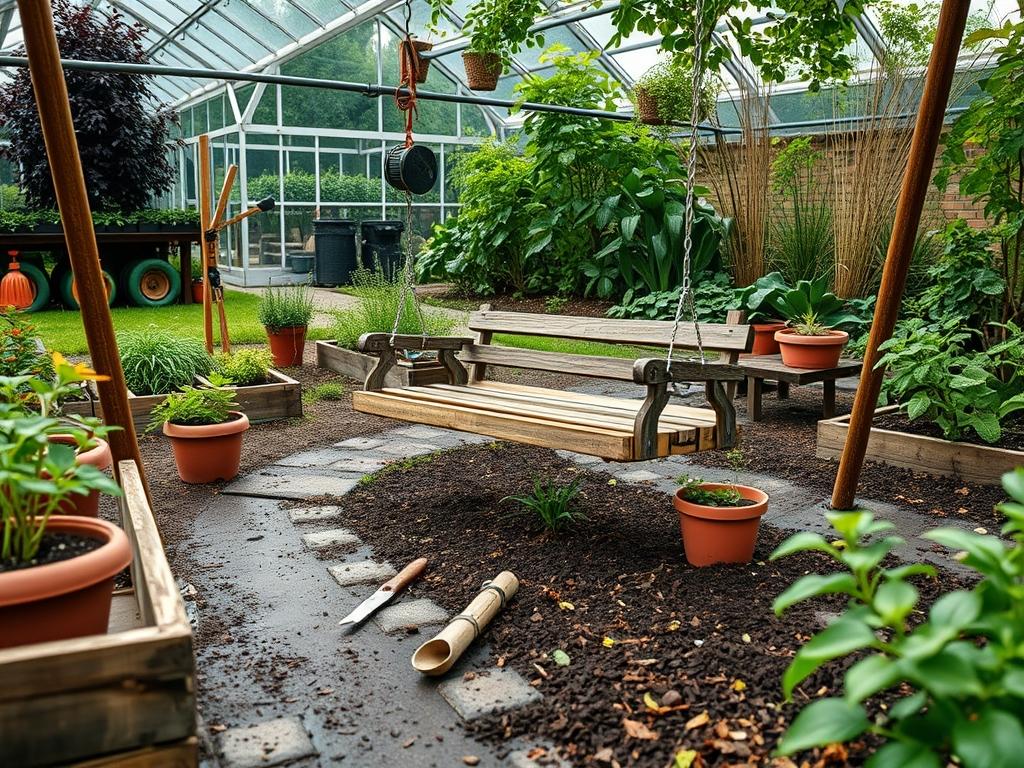
Establishing a safe and permanent play environment begins with a fundamental understanding of site engineering and structural stability. Landscape architects view a playground installation not merely as a temporary fixture, but as a significant outdoor utility that must withstand dynamic loads and environmental stressors. Backyard Swing Set Anchoring is the critical intersection between child safety and landscape preservation. Without a robust anchoring strategy, the repetitive motion of swinging can cause the structure to “walk” across the lawn, creating unsightly dirt patches and compromising the integrity of the frame. Furthermore, in regions prone to high winds or saturated soils, an unanchored set poses a liability risk. A professional approach integrates the anchoring system into the broader garden design, ensuring that the utility of the play space does not detract from the visual flow of the residential environment. By considering soil composition, drainage patterns, and the aesthetic transition between play zones and ornamental beds, a homeowner can create a functional space that enhances overall property value.
Landscape Design Principles
Integrating a swing set into a high-end landscape requires a commitment to symmetry and spatial organization. The play structure should serve as a secondary focal point, positioned to allow for clear sightlines from the primary residence while remaining harmoniously tucked into the natural contours of the yard. We often utilize the principle of elevation layering to define the play zone. By slightly depressing the area intended for the swing set, we can contain the protective surfacing within a natural or timber-walled basin. This prevents mulch or engineered wood fiber from migrating into the manicured lawn.
Symmetry is achieved through the use of peripheral plantings that frame the equipment. A well-placed retaining wall can solve slope issues while providing a tiered seating area for parents. Irrigation planning is another vital component. Spray heads must be positioned to avoid direct contact with the swing set’s galvanized steel or cedar frame, as constant moisture leads to premature rotting or corrosion. We recommend a sub-surface drip irrigation system for the perimeter plants to keep the play zone dry and stable. Finally, the inclusion of formal walkways, perhaps using flagstone or decomposed granite, provides a clear transition from the patio to the play area, reducing the amount of mud tracked into the house.
Plant and Material Selection
Selecting the right materials for the anchoring zone and the surrounding landscape is essential for durability and low maintenance. The following table highlights selections that complement a play environment without creating safety hazards or requiring excessive care.
| Plant or Material Type | Sun Exposure | Soil Needs | Water Demand | Growth Speed | Maintenance Level |
| :— | :— | :— | :— | :— | :— |
| Creeping Thyme | Full Sun | Well-drained | Low | Medium | Low |
| Blue Fescue | Full/Partial | Sandy/Dry | Low | Medium | Low |
| Boxwood Shrub | Partial Sun | Loamy/Rich | Moderate | Slow | Moderate |
| Engineered Wood Fiber | N/A | N/A | N/A | N/A | Low |
| Pea Gravel | N/A | N/A | N/A | N/A | Moderate |
| Rubber Mulch | N/A | N/A | N/A | N/A | Low |
For the anchoring hardware itself, we prioritize hot-dipped galvanized steel to resist soil-borne moisture. The choice of surfacing material also impacts the anchoring depth. For instance, if you are using a 12-inch layer of wood chips for fall protection, your anchors must be long enough to penetrate through the loose fill and deep into the underlying compacted subsoil to gain a secure purchase.
Implementation Strategy
The process of Backyard Swing Set Anchoring begins with comprehensive site grading. A flat, level surface is non-negotiable for safety. If the yard has a slope greater than 1 percent, you must excavate the high side rather than filling the low side to ensure the anchors are biting into undisturbed earth. Once leveled, mark the footprint of the swing set, including a 6-foot safety clearance on all sides.
There are three primary methods for professional anchoring. The first involves concrete footings. You will dig holes approximately 18 to 24 inches deep at each leg location, fill them with 80-pound bags of pre-mixed concrete, and set a heavy-duty anchor bolt into the wet mix. This is the most permanent solution and is ideal for heavy premium timber sets. The second method uses auger-style anchors. These are large, corkscrew-like steel rods that are twisted into the ground. They work exceptionally well in clay-heavy soils where the earth provides significant resistance. The third method involves drive-in anchors, which are steel plates driven at an angle into the ground.
After the anchors are set and the frame is attached, install the landscape fabric and edging. A 4-inch by 4-inch pressure-treated timber edge, secured with 18-inch rebar spikes, creates a clean border. Fill the interior with at least 9 inches of impact-absorbing mulch. Ensure the drainage is directed away from the concrete footings to prevent the “teacup effect,” where water pools around the base and weakens the soil-to-anchor bond.
Common Landscaping Failures
The most frequent mistake in swing set installation is ignoring the local frost line. In northern climates, the ground expands and contracts as it freezes and thaws. If the concrete anchors are shallow, the frost can actually “heave” the swing set out of the ground, causing the frame to twist and pop its fasteners. Always ensure your concrete piers extend below the maximum frost depth for your specific zone.
Another common failure is poor drainage. If the play area sits in a low spot without a French drain or a directed swale, the soil becomes liquefied during heavy rain. In this state, the friction holding the auger anchors in place disappears, and the set can tip. Furthermore, we often see root overcrowding. Homeowners may plant fast-growing shade trees too close to the play zone. Within five years, the roots can push against the concrete footings, cracking them or shifting the entire play system. Finally, avoid over-compacting the soil in the plant beds directly adjacent to the anchors, as this can lead to poor water infiltration and lateral pressure against the anchoring points.
Seasonal Maintenance
Landscape management is a year-round commitment. In the spring, inspect the Backyard Swing Set Anchoring points for any signs of movement. Check that the hardware is tight and that the wood has not shrunk away from the bolts. This is also the time to refresh the mulch to maintain the required depth for fall protection. During the summer, monitor the irrigation system to ensure that no spray is hitting the metal or wooden components of the set, which can lead to accelerated wear.
When autumn arrives, clear all leaf litter from the play basin. Decomposing organic matter can trap moisture against the base of the anchors, promoting rot. If you have used concrete footings, check for hairline cracks that could expand during winter. In the winter months, if your region experiences heavy snowfall, clear the accumulation from the swing set canopy to prevent the weight from putting unnecessary stress on the anchors. If the ground freezes, avoid any heavy landscaping work near the anchors that could disturb the frozen soil structure.
Professional Landscaping FAQ
What is the best depth for concrete swing set anchors?
Most professional installations require a depth of at least 18 to 24 inches. In colder climates, you must dig below the local frost line to prevent the anchors from shifting during freeze-thaw cycles in the winter and spring.
Can I anchor a swing set directly into the grass?
While possible with auger anchors, it is not recommended for long-term stability. Grass traps moisture against the frame and makes it difficult to maintain the required 9 to 12 inches of impact-absorbing surfacing required for safety.
How do I prevent my anchors from rusting?
Utilize hot-dipped galvanized steel or stainless steel components for all ground-contact hardware. Regular inspections for chips in the coating and applying a rust-inhibiting spray can significantly extend the life of your Backyard Swing Set Anchoring system.
Which surfacing material works best with ground anchors?
Engineered wood fiber is the industry standard. It knits together to create a stable surface while allowing water to drain through to the soil. This prevents the “muddying” effect that can loosen anchors during heavy rain seasons.
Should I use a professional or do it myself?
For large, premium play systems, a professional landscape contractor ensures proper grading and drainage. Professionals have the tools to ensure anchors are perfectly level, which prevents structural fatigue on the swing set joints over several years of use.