
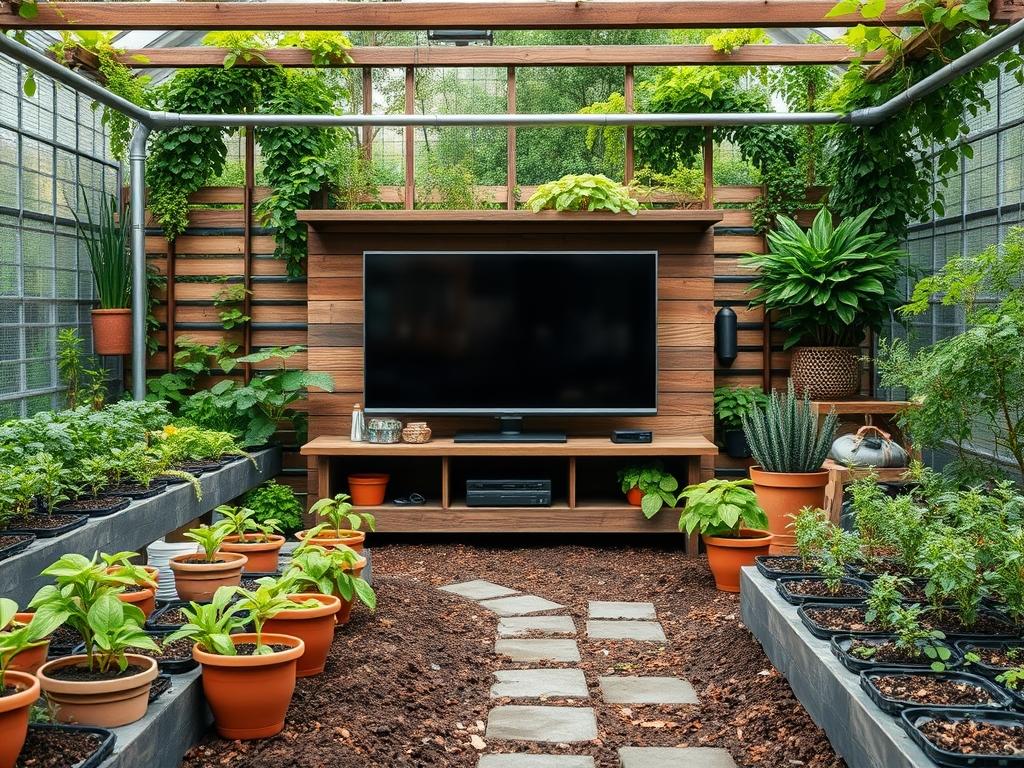
The integration of digital media into the natural landscape represents a significant evolution in residential design, moving the concept of the living room into the open air. Designing a space that accommodates high-end electronics requires a meticulous approach to environmental control and spatial hierarchy. When exploring outdoor TV enclosure ideas, the landscape architect must consider the harsh realities of the local climate, including humidity, salt air, and extreme temperature fluctuations. A television is a black mirror that can disrupt the visual flow of a garden if not thoughtfully anchored within a structural framework. Successfully blending technology with nature depends on creating a weather-resistant focal point that provides visibility during the day while remaining protected from the elements at night. This process begins with a site analysis to determine the best orientation for glare reduction and ends with the selection of materials that harmonize with the existing hardscape and softscape elements of the property.
Landscape Design Principles
Effective landscape design for entertainment areas relies on the principle of symmetry to create a sense of order and calm. By framing an outdoor TV enclosure with balanced plantings or architectural columns, the designer can make the screen feel like a deliberate part of the environment rather than an afterthought. Symmetry provides a formal structure that draws the eye toward the viewing area, especially when supported by a clear central axis such as a stone walkway or a manicured lawn. The use of focal points is equally critical; the enclosure serves as the primary visual draw, but it must be supported by secondary elements like fire features or water installations to maintain interest when the screen is powered off.
Elevation layers play a vital role in defining the “outdoor room” around the media center. Utilizing Retaining Walls or multi-level decking can create a vertical hierarchy that improves viewing angles and separates the lounge area from more active parts of the garden. Sunken seating pits, for instance, provide a cozy, intimate atmosphere that also shields the television from wind and dust. Visual balance is achieved by counteracting the hard, geometric lines of the enclosure with soft, organic textures. Large-leafed tropical plants or airy ornamental grasses can soften the edges of a wall-mounted unit, ensuring the technology does not overwhelm the natural beauty of the site.
Irrigation planning is perhaps the most technical aspect of designing for outdoor electronics. Any landscape architect must ensure that Rotary Sprinklers and drip lines are positioned to prevent overspray from reaching the media zone. This requires a dedicated irrigation zone for the entertainment area that prioritizes low-volume emitters buried beneath a thick layer of Hardwood Mulch. Furthermore, the placement of walkways must facilitate easy movement between the house and the viewing porch without tracking mud or debris into the seating area. Using Permeable Pavers or Flagstone with gravel joints can assist with drainage while providing a stable, level surface for outdoor furniture.
Plant and Material Selection
| Plant Type | Sun Exposure | Soil Needs | Water Demand | Growth Speed | Maintenance Level |
| :— | :— | :— | :— | :— | :— |
| Blue Fescue | Full Sun | Well-drained | Low | Moderate | Low |
| Japanese Maple | Partial Shade | Slightly Acidic | Medium | Slow | Moderate |
| Boxwood | Full to Part Sun | Loamy/Neutral | Medium | Slow | High (Pruning) |
| Star Jasmine | Full to Part Sun | Rich/Organic | Medium | Fast | Moderate |
| Creeping Thyme | Full Sun | Sandy/Rocky | Low | Moderate | Very Low |
| Dwarf Palmetto | Part Shade | Moist/Clay | High | Slow | Low |
| Silver Falls Dichondra | Full Sun | Well-drained | Low | Fast | Low |
Implementation Strategy
The process for a garden layout that includes an outdoor TV enclosure starts with professional grading. Ensuring that the ground slopes at a minimum of two percent away from the structure holding the television is essential for preventing moisture buildup. Once the grading is established, builders should install Schedule 40 PVC Conduit underground to house the electrical and data cables. This protects the wiring from rodents and moisture while allowing for future technology upgrades without excavating the entire garden.
The footprint of the viewing area should be defined using Steel Edging or Belgium Block to keep the hardscape materials separate from the planting beds. For the base, a six-inch layer of Crushed Limestone should be compacted to provide a solid foundation for the pavers or stone. When installing the enclosure mount, ensure it is anchored into a structural wall or a heavy-duty Pressure-Treated 6×6 Post that has been set in concrete below the frost line. This prevents the screen from shifting or vibrating during high winds.
For the surrounding flora, designers should focus on plants that do not produce heavy pollen or sticky sap, as these substances can clog the ventilation systems of an enclosure. Mulch Depth should be maintained at exactly three inches to suppress weeds and retain moisture without suffocating the roots of the nearby specimen plants. If the screen is located near a pool or water feature, salt-tolerant species and waterproof hardscape sealants are mandatory to prevent corrosion and stone degradation.
Common Landscaping Failures
The most frequent mistake in outdoor media design is a failure to account for drainage. If water pools at the base of a mounting pillar, it can lead to soil saturation and eventual leaning of the structure. Improper spacing is another common issue; plants that look perfectly sized at the nursery can quickly grow to obstruct the viewing angle within two seasons. This often leads to aggressive pruning that ruins the natural form of the shrubbery.
Root overcrowding occurs when large trees are planted too close to the foundations of an outdoor kitchen or media wall. Over time, the expanding root systems can lift pavers and crack the structural elements supporting the enclosure. Soil compaction, often caused by heavy foot traffic during the construction phase, prevents water from penetrating the ground and leads to runoff that may flood the electronics area. Finally, irrigation inefficiencies, such as misdirected spray heads, are a primary cause of technical failure in outdoor televisions. Even the most robust weatherproof enclosure can eventually fail if it is subjected to daily high-pressure blasts from a lawn sprinkler system.
Seasonal Maintenance
Spring is the time for comprehensive structural checks. Inspect the outdoor TV enclosure for any signs of seal degradation or insect intrusion. Clean the surrounding Pavers with a mild detergent and check the Polymeric Sand in the joints for any washouts. As the growing season begins, apply a slow-release fertilizer to the lawn and garden beds, ensuring no dust or granules enter the enclosure vents.
Summer maintenance focuses on heat management and irrigation. Ensure the ventilation fans inside the enclosure are functioning correctly during peak temperatures. Prune any fast-growing vines like Star Jasmine that may be creeping toward the screen or its mounting hardware. Monitor the soil moisture levels near the Viewing Area, as reflective heat from the screen or stone walls can dry out plants faster than in other parts of the yard.
Autumn requires the removal of leaf litter and debris. Use a Leaf Blower to clear the tops of enclosures and the surrounding hardscape to prevent moisture-trapping organic mats from forming. This is also the ideal time to check the integrity of the weather stripping on the enclosure doors. Prepare the garden for dormancy by applying a fresh layer of Bark Mulch and cutting back any perennials that might harbor pests over the winter.
Winter management involves protecting the hardware from extreme cold and snow accumulation. In regions with heavy snowfall, a breathable fabric cover can provide an extra layer of protection over the hard enclosure. Avoid using salt or chemical de-icers near the base of the electronics mount, as these can accelerate the corrosion of metal components. Instead, use sand for traction on nearby walkways.
Professional Landscaping FAQ
How do I prevent glare on my outdoor screen?
Position the enclosure facing north to minimize direct sunlight. You can also utilize Retaining Walls or tall Emerald Green Arborvitae to create a natural shadow. Adjustable mounts allow for small vertical tilts that effectively deflect the most intense afternoon reflections.
What is the best material for a TV wall?
Natural stone or porcelain tiles are ideal for their durability and low maintenance. These materials resist UV fading and withstand temperature shifts better than wood. Ensure the wall includes internal Drainage Channels to prevent moisture from trapping behind the enclosure.
Can I put a TV near a fire pit?
Yes, but you must maintain a minimum distance of six to ten feet to prevent heat damage. Use a non-combustible material for the mounting surface and ensure the enclosure is rated for higher ambient temperatures to protect the internal circuitry.
How do I hide the cables in a garden?
Use buried PVC Conduit to route cables beneath the lawn or patio. For vertical sections on a wall, decorative stone veneers or custom wood cabinetry can mask the wiring. Always use outdoor-rated, shielded cables to prevent signal interference from other electrical devices.
What plants are best for privacy around a media area?
Columnar Juniper or Clumping Bamboo provide excellent vertical coverage without taking up too much horizontal space. These species create a dense green screen that mutes neighborhood noise and provides a secluded, private theater atmosphere within your existing landscape design.