Maintaining a lush, vibrant lawn while accommodating the high-energy demands of domestic pets is one of the most frequent challenges encountered in residential landscape architecture. The ideal backyard grass for dogs must satisfy a difficult triad of requirements; it must resist the chemical stress of nitrogen-rich urine, withstand the mechanical shearing of paws during high-speed activity, and maintain enough aesthetic appeal to satisfy the homeowner’s desire for curb appeal. Most traditional turf varieties are bred for uniform color and soft texture rather than rugged durability. When designing a functional outdoor environment for pet owners, the focus shifts from purely ornamental horticulture to a more rigorous engineering approach. We must consider the biological impact of the animal on the soil structure, the regional climate’s effect on recovery rates, and the integration of hardscaping elements that can mitigate the wear and tear on the primary green space.
Landscape Design Principles
A professional landscape design for dog owners begins with spatial organization and the intelligent use of movement corridors. Symmetry and focal points are not merely visual tools; they serve to direct traffic away from vulnerable planting beds. By establishing a clear hierarchy of space, we can concentrate high-traffic play in fortified zones while preserving delicate ornamental features in protected areas. For example, a flagstone walkway or a path of crushed granite provides a designated route for patrol behaviors, which many dogs exhibit along fence lines. This reduces the “race track” effect where grass is worn down to bare earth.
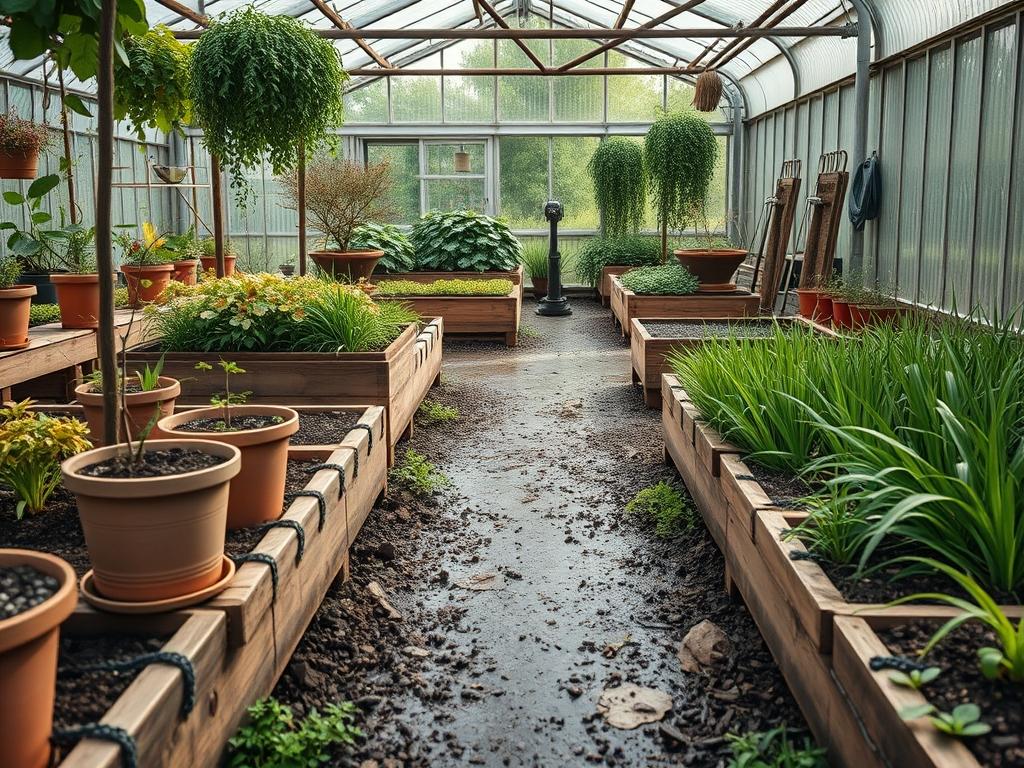
Elevation layers and the use of retaining walls also play an important role in managing a dog-friendly landscape. Raised planters built from pressure-treated timber or natural stone can elevate sensitive shrubs and perennials above the “splash zone” of pet urine, which is notoriously high in urea and can cause salt burn on foliage. Furthermore, a well-planned irrigation system must account for the accelerated evaporation and soil compaction common in pet-heavy yards. Subsurface irrigation is often preferred in these scenarios to prevent dogs from damaging sprinkler heads or digging up surface-level drip lines. Visual balance is achieved by counteracting the wide, flat expanse of durable turf with vertical elements like native shade trees or sculptural boulders, creating an environment that feels like a curated garden rather than a sterile dog run.
Plant and Material Selection
| Plant Type | Sun Exposure | Soil Needs | Water Demand | Growth Speed | Maintenance Level |
| :— | :— | :— | :— | :— | :— |
| Bermuda Grass | Full Sun | Well-drained | Moderate | Fast | High |
| Kentucky Bluegrass | Full to Part Sun | Fertile, Loamy | High | Moderate | High |
| Tall Fescue | Sun to Shade | Adaptable | Low to Moderate | Moderate | Medium |
| Zoysia Grass | Full Sun | Sandy/Loamy | Low | Slow | Low |
| Perennial Ryegrass | Full Sun | Moist, Rich | High | Very Fast | Moderate |
| Micro-clover | Sun to Part Shade | Poor to Average | Very Low | Fast | Very Low |
Implementation Strategy
The successful installation of backyard grass for dogs begins well before the first seed or sod roll is laid. Proper grading is the most critical step; a slope of at least 2 percent away from the home ensures that water does not pool in play areas, which would lead to mud and root rot. Once the grade is established, the soil must be amended to combat future compaction. Incorporating organic compost and expanded shale to a depth of 6 inches improves oxygen pore space, allowing roots to penetrate deeper and withstand physical stress.
When laying the lawn, edging provides a necessary barrier between the turf and mulch beds. Steel edging or heavy masonry blocks prevent dogs from kicking shredded cedar mulch into the grass or digging at the transition points. For the turf itself, sod is generally recommended over seed for dog owners because it provides an instant root mat that can handle light traffic much sooner. If using seed, a temporary mesh barrier should be installed for at least 6 to 8 weeks to allow the root system to colonize the topsoil. Hardscaping elements, such as a pea gravel relief area, can also be strategically placed near the back door. By training the pet to use a specific, high-drainage substrate for waste, the primary lawn is spared the bulk of the chemical stress. Finally, ensuring a 3-inch depth of high-quality topsoil under the sod will provide a nutrient reservoir that helps the grass recover quickly from the inevitable “burn spots.”
Common Landscaping Failures
The most frequent failure in pet-centric landscaping is the neglect of drainage and soil aeration. When a dog runs across a lawn, their weight is concentrated on the small surface area of their paws, which exerts significant pressure on the soil. Over time, this collapses the air pockets necessary for root respiration, leading to a condition known as soil compaction. Many homeowners attempt to fix the resulting yellow patches with more fertilizer, but without oxygen, the roots cannot uptake nutrients, leading to a cycle of wasted resources and further environmental runoff.
Another common mistake is improper plant spacing and the lack of a “buffer zone.” Planting delicate species directly against a lawn edge where a dog might skid or slide will result in broken stems and stunted growth. Furthermore, irrigation inefficiencies often exacerbate the problem. If a system is set to a standard timer without regard for the extra moisture required to flush nitrogen from pet waste, the salts will build up in the root zone and kill the grass. Poor selection of mulch is also a recurring issue; lightweight pine nuggets are easily displaced by active dogs, whereas a heavier double-ground hardwood mulch stays in place and provides a more stable surface.
Seasonal Maintenance
Seasonal care for a high-traffic lawn requires a proactive rather than reactive approach. In the spring, the primary goal is recovery and fortification. Utilizing a core aerator is essential during this time to pull 3-inch plugs from the soil and break up winter compaction. This is also the ideal window for overseeding with a durable variety like Tall Fescue to fill in any thin spots before the heat of summer arrives. Applying a gypsum-based soil conditioner can help neutralize the salts accumulated from pet urine over the colder months.
Summer maintenance focuses on stress management. The mower height should be raised to at least 3.5 inches to shade the soil and encourage deeper root growth. Frequent, deep watering sessions are better than short daily bursts, as they encourage the lawn to be more resilient during droughts. In autumn, the focus shifts to nutrient storage. A high-potassium fertilizer should be applied to strengthen the cell walls of the grass blades. This is also the time to replenish mulch depths and check the integrity of retaining walls and edging before the ground freezes. During winter, the landscape is most vulnerable to “traffic burn” on dormant grass. If possible, limit access to the lawn when frozen or saturated, as the brittle blades can be easily crushed, leading to delayed green-up in the spring.
Professional Landscaping FAQ
What is the most urine-resistant grass for dogs?
Tall Fescue is widely considered the most resilient due to its deep root system and high tolerance for nitrogen. While no grass is immune to chemical burns, the physical structure of Fescue allows it to recover and dilute salts more effectively.
How can I stop my dog from creating mud paths?
Integrating hardscaping like stepping stones or decomposed granite along fence lines is the most effective solution. These materials provide a stable surface for the dog’s repetitive patrol patterns, preventing the soil from being pulverized into dust or mud.
Is clover a good alternative for dog-friendly lawns?
Yes, Micro-clover is an excellent addition. It does not yellow from nitrogen in pet urine, requires less water than traditional turf, and stays green longer into the season. It is often mixed with Perennial Ryegrass for maximum durability and color.
How often should I aerate a lawn with large dogs?
For homes with large or multiple dogs, core aeration should be performed twice a year, once in the spring and once in the fall. This frequency is necessary to counteract the constant mechanical pressure on the soil and maintain proper drainage.
What mulch is safest and most durable for backyard play?
Shredded cedar mulch is preferred because it is heavy enough to resist being kicked around and has natural pest-repellent properties. Avoid cocoa bean mulch, as it contains theobromine, which is toxic to dogs if ingested in significant quantities.