
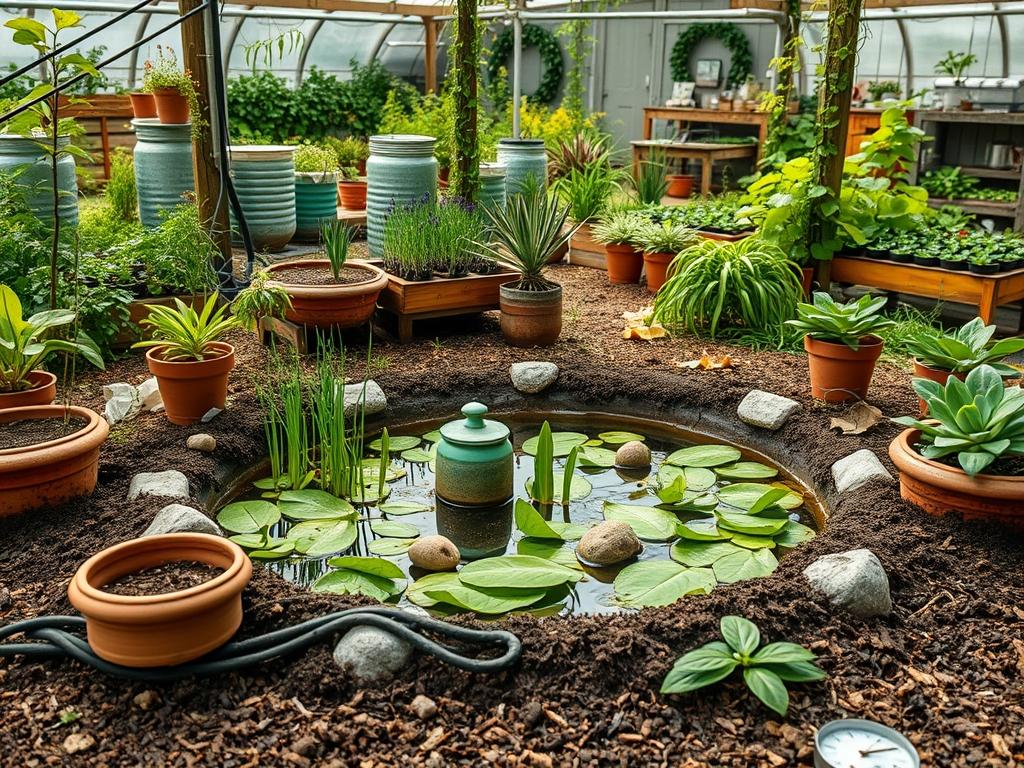
Transforming a standard suburban lot into a functional ecosystem requires more than just aesthetic intuition; it demands an understanding of hydrology, microclimates, and local biodiversity. Implementing Backyard Frog Pond Basics serves as a sophisticated landscaping challenge that balances curb appeal with environmental stewardship. From a landscape architecture perspective, a water feature is not merely an ornament but a primary focal point that anchors the surrounding softscape. Integrating a frog pond into your outdoor living space requires careful planning regarding the site topography to ensure proper drainage while providing a sanctuary for beneficial amphibians. The goal is to move beyond the traditional “blue bowl” aesthetic toward a naturalized installation that feels as though it has always existed within the terrain.
Outdoor functionality goals often conflict with the desire for low-maintenance yards, yet a well-designed pond can actually reduce long-term irrigation needs by capturing and recycling rainwater. When considering climate, the architect must account for evaporation rates in summer and freeze-thaw cycles in winter. Curb appeal is significantly enhanced when the pond is positioned as a transitional element between a structured patio and a wilder, forested perimeter. By prioritizing the structural integrity of the pond and its surrounding landscape, you create a resilient environment that manages moisture levels systematically rather than relying on constant manual intervention.
Landscape Design Principles
Effective pond design relies on the core principle of visual balance and the strategic use of elevation layers. A frog pond should never be a perfectly symmetrical circle; such shapes rarely occur in nature and often look jarring in a professional landscape. Instead, utilize asymmetrical curves that follow the natural contours of your garden. Focal points should be established through the use of Large Boulders or specimen plants like Standard Weeping Willows to draw the eye toward the water’s surface. Elevation is critical for frog habitats. You must design internal shelves at varying depths, typically 8 inches, 18 inches, and 36 inches, to accommodate different plant species and provide thermal refuge for frogs during extreme temperature spikes.
Irrigation planning around the pond is equally vital. While the pond itself holds water, the surrounding “splash zone” requires moisture-loving plants that can handle occasional saturation without developing root rot. Walkways should be designed to provide access for maintenance without compacting the soil near the pond edge. Use Stepping Stones or Permeable Pavers to create a path that allows the observer to view the pond without disturbing the fragile marginal environment. This balance of hardscaping and softscaping ensures the pond is an integrated part of the garden hierarchy rather than an isolated puddle. Visual weight can be managed by placing heavier rocks at the base of slopes and lighter, airier grasses like Pennisetum at the higher elevations to create a sense of movement.
Plant and Material Selection
The following table outlines the essential flora required to establish a balanced ecosystem within the scope of Backyard Frog Pond Basics.
| Plant Type | Sun Exposure | Soil Needs | Water Demand | Growth Speed | Maintenance Level |
| :— | :— | :— | :— | :— | :— |
| Nymphaea (Water Lily) | Full Sun | Heavy Clay | Submerged | Moderate | Medium |
| Typha Latifolia (Cattail) | Full Sun | Saturated Mud | High | Fast | High |
| Iris Pseudacorus | Full/Partial | Loamy/Wet | High | Moderate | Low |
| Equisetum (Horsetail) | Partial Shade | Sandy/Wet | High | Fast | Medium |
| Ceratophyllum (Hornwort) | Any | None (Floating) | High | Fast | Low |
| Carex (Sedge) | Partial Shade | Moist Soil | Moderate | Slow | Low |
For hardware and materials, professional installations require a high-quality EPDM Rubber Liner with a thickness of at least 45 mil. This material is UV resistant and flexible enough to conform to complex shelf designs. Underneath the liner, a Non-Woven Geotextile Underlayment must be installed to protect the rubber from punctures caused by sharp stones or encroaching tree roots. For the finishing touches, use Smooth River Rocks ranging from 2 to 6 inches in diameter to cover the liner and provide a natural appearance while securing the edges.
Implementation Strategy
The implementation of Backyard Frog Pond Basics begins with a thorough site survey. Use a Leveling String and Wooden Stakes to mark the perimeter. Excavation should be performed with a sharp Spade, starting from the center and working outward to create the tiered shelves mentioned previously. Once the hole is dug, verify that the entire rim is perfectly level; even a one-inch discrepancy will result in the liner showing on one side, ruining the aesthetic.
After leveling, clear the area of all debris and lay the Underlayment followed by the EPDM Liner. Avoid pulling the liner too tight; it needs enough slack to settle as the weight of the water pushes it into the corners. Grading the surrounding area is the next step. Ensure the ground slopes away from the pond to prevent lawn fertilizers and pesticide-laden runoff from entering the water and harming the frogs. For the edging, a “shelf-and-anchor” method is best. Place Flagstone or Large Fieldstones over the liner at the water’s edge, extending them slightly over the water to provide shade and hiding spots for amphibians.
Mulch depth in the surrounding garden beds should be maintained at 3 inches to retain soil moisture, but avoid using cedar or treated mulches near the water, as the oils can be toxic to frogs. Finally, introduce a small Submersible Pump or a Solar Aerator if the pond lacks sufficient natural oxygenation. While frogs prefer still water for breeding, a slight current prevents stagnant conditions and mosquito larvae growth.
Common Landscaping Failures
One of the most frequent mistakes in Backyard Frog Pond Basics is improper drainage management. If the pond is located at the lowest point of a property without a dedicated overflow pipe, heavy rains will cause the pond to flood, washing away expensive fish, plants, and the frogs themselves. Conversely, if the pond is positioned under certain deciduous trees like Black Walnuts, the leaves can release toxins into the water. Soil compaction is another silent killer; using heavy machinery too close to the pond edge can collapse the internal shelves and tear the liner.
Root overcrowding occurs when fast-growing species like Cattails are planted directly into the pond bottom rather than in Aquatic Planting Baskets. Unrestricted growth can lead to the plants occupying the entire water column, leaving no room for frogs to swim. Irrigation inefficiencies also plague many DIY projects. If the auto-fill valve is not calibrated correctly, the pond may perpetually overflow or significantly drop in level, causing “liner flash,” which is the unsightly exposure of the black rubber. Lastly, many homeowners fail to provide a “beach entry,” which is a shallow, sloped edge. Without this, frogs can actually drown if they find themselves in deep water with no way to climb out of the slippery liner.
Seasonal Maintenance
Landscape management for a frog pond changes with the solar cycle. In Spring, the primary goal is cleaning. Remove accumulated organic debris from the bottom using a Pond Net or Vacuum. This prevents the buildup of hydrogen sulfide gas. Fertilize aquatic plants with Slow-Release Tabs pushed deep into the soil baskets to prevent nutrients from leaching into the water and causing an algae bloom.
Summer maintenance focuses on water levels and oxygen. As evaporation increases, use a Dechlorinator when adding tap water to protect the frogs’ sensitive skin. Prune back aggressive floating plants to ensure at least 50 percent of the water surface remains open to the sun. In Autumn, install a Fine Mesh Netting over the surface to catch falling leaves. If leaves are allowed to rot in the water, they will deplete oxygen levels over the winter.
Winter management is vital in colder climates. Never allow the pond to freeze over completely. Use a Floating De-icer or a small Airstone to keep a hole open in the ice. This allows for gas exchange, ensuring that hibernating frogs or fish do not suffocate. Avoid hacking at the ice with a shovel, as the shockwaves can be lethal to aquatic life in a dormant state.
Professional Landscaping FAQ
How deep should a frog pond be for winter survival?
In temperate climates, a minimum depth of 36 inches is required. This ensures a portion of the water column remains liquid below the frost line, providing a safe zone for frogs to overwinter in the bottom silt without freezing.
Do I need a filtration system for a frog pond?
While not strictly necessary if you have high plant density, a Biological Filter is recommended. Plants act as natural filters, but a mechanical system helps manage excess Nitrogen and keeps the water clear for better visual enjoyment of the habitat.
Can I add goldfish to my frog pond?
It is generally discouraged. Fish, especially Koi or Goldfish, are predators that will consume frog eggs and tadpoles. To maximize amphibian populations, keep the pond fish-free or choose very small, non-aggressive native minnow species that do not hunt larvae.
How do I stop my pond from leaking?
Leaks usually occur at the edges where the liner has settled. Check for low spots in the perimeter first. If the water level drops to a specific point and stops, the puncture is likely at that exact waterline. Patch with an EPDM Tape Kit.
What is the best way to handle pond algae?
Avoid chemical algaecides which harm frogs. Instead, use Barley Straw or increase the number of Oxygenating Submerged Plants. Providing shade through Water Lilies also limits the sunlight available for algae growth, naturally balancing the pond chemistry over time.