
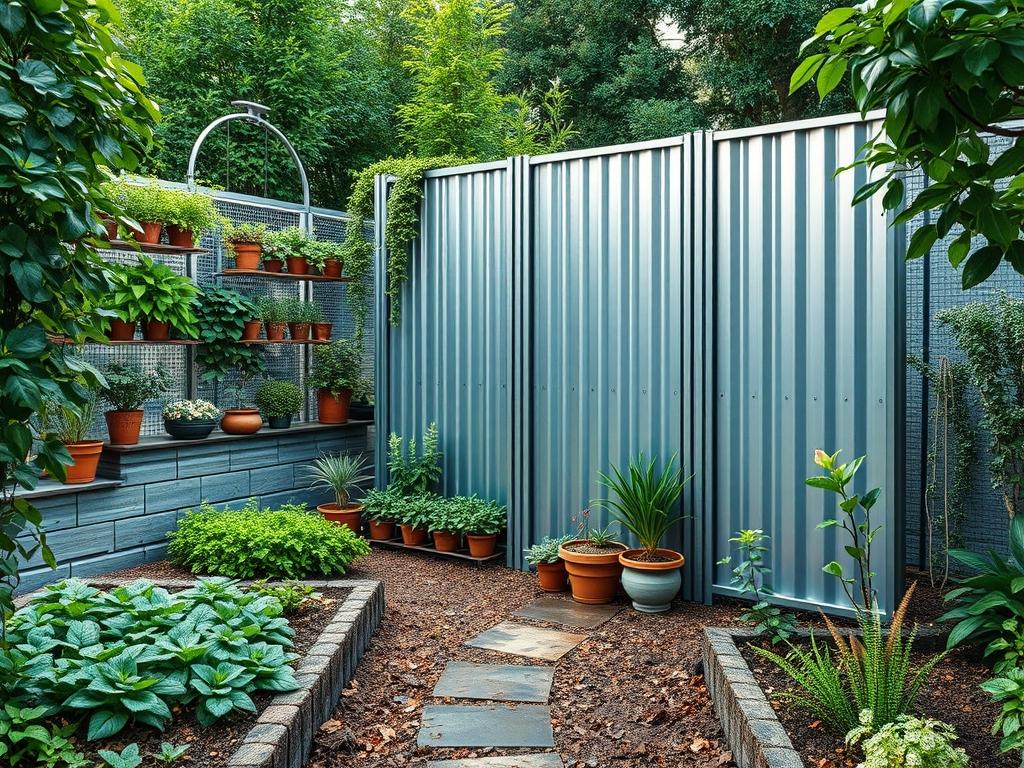
Creating a private sanctuary within a modern residential landscape requires more than just a tall fence or a row of dense shrubs. As lots become smaller and neighbors sit closer together, the demand for sophisticated screening solutions has grown exponentially. Modern Metal Privacy Panels have emerged as the premier choice for architects and homeowners who prioritize durability, low maintenance, and high design. Unlike traditional wood lattices that rot or vinyl panels that can look sterile, laser-cut metal provides a structural elegance that works in harmony with both softscape elements and hardscape structures. The integration of these panels into a garden plan must consider the specific microclimate of the site; the way metal absorbs and radiates heat can influence the health of nearby native plants. Properly situated, these structures do not merely block a neighbor’s view. They curate the movement of air, the play of shadows, and the flow of the entire outdoor environment. Effective planning ensures that every panel contributes to the overall curb appeal while solving functional challenges such as wind buffering or the masking of unsightly utility equipment.
Landscape Design Principles
When incorporating Modern Metal Privacy Panels into a professional landscape, the designer must first establish a sense of visual balance. Symmetry does not always mean an identical mirror image on both sides of a walkway; rather, it refers to the equilibrium of visual weight. If you install a heavy, dark-toned Powder-coated steel panel on one side of a patio, you might balance it with a multi-stemmed tree like a Cercis occidentalis or a cluster of large Boulders on the opposite side. Focal points are another critical consideration. Lasercut patterns in metal panels can serve as the primary artwork for an outdoor room, especially when back-lit at night with low-voltage LED landscape lighting.
Elevation layers are essential for preventing a garden from feeling flat or boxed in. By varying the height of the screening, perhaps using a 6-foot panel behind a 3-foot Retaining wall, you create depth that standard fencing cannot achieve. This layering approach allows for “semantic gardening,” where the hardscape dictates the function of the space. Designers should also use panels to define specific transition zones, such as the threshold between a dining area and a wilder, naturalistic zone. Integrating Walkways made of Decomposed granite or Flagstone that curve around a perpendicular panel installation can create a sense of mystery and discovery. Finally, irrigation planning must account for these structures. Ensure that Drip lines are tucked neatly behind the base of the panels and that the metal surfaces do not obstruct the throw patterns of any existing Pop-up spray heads.
Plant and Material Selection
The following selection of plants and materials is designed to complement the structural nature of metal panels, providing a contrast in texture and form while thriving in typical residential soil conditions.
| Plant Type | Sun Exposure | Soil Needs | Water Demand | Growth Speed | Maintenance Level |
| :— | :— | :— | :— | :— | :— |
| Miscanthus sinensis | Full Sun | Well-drained | Moderate | Fast | Low (Annual Cutback) |
| Boxwood (Buxus) | Sun to Part Shade | Loamy | Moderate | Slow | Medium (Pruning) |
| Carex oshimensis | Part Shade to Shade | Moist/Rich | High | Moderate | Low |
| Star Jasmine | Full Sun to Shade | Adaptable | Moderate | Fast | Medium (Training) |
| Festuca glauca | Full Sun | Poor to Average | Low | Fast | Very Low |
| Hydrangea quercifolia | Part Shade | Rich/Acidic | Medium | Moderate | Medium |
Implementation Strategy
The successful installation of Modern Metal Privacy Panels begins with a comprehensive site survey and a detailed layout plan. Before any soil is moved, you must locate underground utilities and mark the boundaries of the installation with Orange marking paint or a String line.
1. Grading and Drainage: Ensure the ground slopes away from the residence at a minimum of 2 percent. If panels are being installed in a low-lying area, install a French drain or a Perforated pipe wrapped in Filter fabric to prevent water from pooling at the base of the metal.
2. Foundation and Posts: Use a Post hole digger or an Auger to create holes that are at least 24 inches to 36 inches deep, depending on your local frost line. Secure the Galvanized steel posts in 4000 PSI concrete. It is vital to use a Spirit level to ensure every post is perfectly vertical, as even a slight lean will be magnified by the geometric patterns of the panels.
3. Panel Attachment: Allow the concrete to cure for at least 24 to 48 hours before attaching the panels. Use Stainless steel hardware and Washers to prevent galvanic corrosion, which occurs when two dissimilar metals touch in a moist environment.
4. Edging and Mulching: Once the panels are secure, install Steel edging or Aluminum edging to define the garden beds. Apply a 4-inch layer of Organic cedar mulch or Inorganic river rock to suppress weeds and maintain soil moisture.
5. Finishing Touches: Integrate the panels with the rest of the hardscape by connecting them to Dry stack stone walls or Timber sleepers. This anchors the panels into the landscape, making them look like a permanent architectural feature rather than an afterthought.
Common Landscaping Failures
One of the most frequent errors in installing Modern Metal Privacy Panels is the failure to account for wind load. Solid metal sheets act like sails; in a high-wind event, they can exert immense pressure on the footings. Choosing perforated or laser-cut designs reduces this resistance while still providing visual privacy. Another common mistake is root overcrowding. Homeowners often plant fast-growing vines or shrubs too close to the metal framework. As the Root ball expands, it can heave the concrete footings or cause the metal to warp.
Improper spacing between the bottom of the panel and the soil is also a significant issue. There should be a gap of at least 2 inches to allow for airflow and to prevent debris from trapping moisture against the metal, which can lead to premature coating failure. Soil compaction during the construction phase is another silent killer. Heavy machinery used to move panels can crush the soil structure, leading to poor Drainage and the death of nearby Native plants. To prevent this, use Plywood sheets to distribute the weight of equipment during the installation process. Finally, ignoring irrigation inefficiencies can lead to mineral staining on the metal. If hard water from an Irrigation system constantly hits the panels, it will leave white calcium deposits that are difficult to remove without damaging the finish.
Seasonal Maintenance
Seasonal care ensures the longevity of both the metal structures and the surrounding vegetation. During the Spring, inspect the hardware and tighten any bolts that may have loosened due to thermal expansion and contraction over the winter. This is also the time to apply a slow-release fertilizer to the surrounding Shrubs and Ornamental grasses.
In the Summer, metal panels can become quite hot. Monitor your plants for signs of heat stress, such as leaf scorch, and adjust your Irrigation timer to provide deeper, less frequent watering. Clean the panels with a soft cloth and a mild detergent to remove pollen and dust. Autumn is the season for refreshing the Mulch and pruning any deciduous plants that may be rubbing against the metal surface in the wind.
During the Winter, ensure that heavy snow is not piled directly against the panels. The weight of a snowbank can bend the metal or put undue stress on the brackets. If you live in a coastal area, a mid-winter rinse with fresh water is advisable to remove any salt spray that could corrode the Aluminum or Weathering steel. Consistent maintenance ensures that the landscape remains as functional and beautiful as the day it was installed.
Professional Landscaping FAQ
What is the best material for high-humidity environments?
Powder-coated aluminum is the superior choice for humid or coastal climates. It is naturally resistant to rust and corrosion. Unlike steel, aluminum does not require constant painting to maintain its structural integrity when exposed to salty air or frequent rain.
Can I install these panels on an existing deck?
Yes, but you must ensure the deck framing can support the weight. Use Structural lag bolts to attach the posts directly to the joists; do not rely on the decking boards alone. Consulting a structural engineer is recommended for elevated installations.
How do I clean laser-cut metal without scratching it?
Use a soft-bristled brush to remove dry debris from the intricate cuts. For deeper cleaning, use a mixture of warm water and a pH-neutral soap with a microfiber cloth. Avoid abrasive pads or harsh chemical cleaners that can strip the Powder-coating.
Do these panels provide enough wind protection for plants?
Perforated Modern Metal Privacy Panels act as excellent windbreaks. They break up the force of the wind rather than stopping it abruptly, which creates a calmer microclimate. This protection allows you to grow more delicate Native plants that might otherwise fail.
Is it necessary to use concrete for the post footings?
In almost all permanent installations, Concrete is necessary for stability. It prevents the panels from shifting or leaning over time. For temporary setups, weighted bases or mechanical anchors can be used, but they provide significantly less security against wind and impact.