
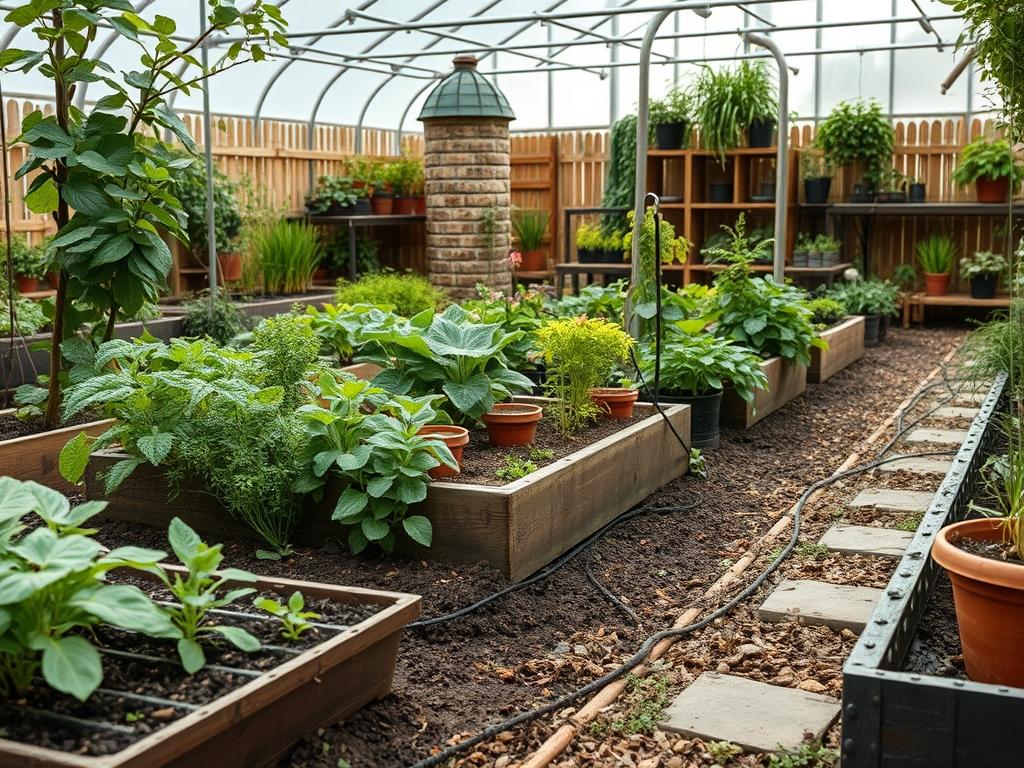
Designing a residential landscape that doubles as an educational environment requires a delicate balance between aesthetic refinement and tactile engagement. While traditional gardens often prioritize visual appeal, Backyard Sensory Play Areas necessitate a multisensory approach that integrates sound, texture, scent, and even taste. This process begins with a site analysis that considers local topography, microclimates, and existing sun patterns. A well executed sensory garden does more than provide a space for childhood development; it enhances the architectural integrity of the home and increases overall curb appeal by introducing diverse textures and structured layers. The challenge for many homeowners lies in creating a space that feels intentional rather than cluttered. By applying professional landscaping principles, one can transform a simple lawn into a sophisticated classroom that adheres to the highest standards of outdoor design.
Climate considerations play a pivotal role in the longevity of these installations. In arid regions, the design must prioritize drought tolerant species that offer tactile variety without exhausting water resources. Conversely, in humid or high rainfall zones, the focus shifts toward advanced drainage systems and mold resistant materials. The goal is to create a resilient outdoor living space that serves as a functional extension of the home, providing year round interest through seasonal transitions. When these elements align, the Resulting landscape provides significant psychological benefits for residents while serving as a high value asset for the property.
Landscape Design Principles
Symmetry and visual balance form the foundation of any professional landscape, yet Backyard Sensory Play Areas allow for a more organic interpretation of these rules. By using focal points, such as a stone fountain or a large willow tree, you can anchor the space and direct the flow of movement. These anchors serve as visual landmarks that help organize the various sensory zones. Elevation is another critical tool. Utilizing raised cedar beds or small earthen berms creates a hierarchy of sightlines, allowing children to interact with plants at eye level while giving the designer opportunities to implement varying soil depths for different root systems.
Circulation and walkways must be designed with both safety and exploration in mind. Instead of a single, straight path, a professional design incorporates curved walkways that slow the pace of travel and encourage observation. Using a mix of materials like decomposed granite, smooth river stones, and hardwood chips provides auditory feedback as feet move across different surfaces. Furthermore, irrigation planning should be integrated into the initial layout to ensure that high traffic play areas remain dry while moisture loving plants receive targeted hydration through a drip irrigation system. This zoning, often called hydrozoning, prevents water waste and maintains the structural integrity of the surrounding hardscaping.
Plant and Material Selection
The following table outlines plants that provide specific sensory benefits while maintaining professional durability standards.
| Plant Type | Sun Exposure | Soil Needs | Water Demand | Growth Speed | Maintenance Level |
| :— | :— | :— | :— | :— | :— |
| Lambs Ear (Stachys byzantina) | Full Sun | Well-drained | Low | Moderate | Low |
| Lavender (Lavandula) | Full Sun | Sandy/Rocky | Low | Moderate | Annual Pruning |
| Blue Oat Grass (Helictotrichon) | Full Sun | Loamy | Moderate | Fast | Low |
| Spearmint (Mentha spicata) | Part Shade | Rich/Moist | High | Very Fast | High (Invasive) |
| Snapdragon (Antirrhinum) | Full Sun | Neutral pH | Moderate | Fast | Moderate |
| Mexican Feather Grass | Full Sun | Poor/Dry | Low | Moderate | Low |
Implementation Strategy
The transition from a design concept to a finished landscape requires a disciplined execution of site preparation. Begin with a thorough site grading to redirect surface water away from the home and the primary play zones. A slope of at least 2 percent is generally recommended for adequate drainage. Once the grade is established, use a marking paint to outline the sensory zones and walkways. Excavate the paths to a depth of 4 inches to allow for a base layer of crushed limestone followed by a top layer of your chosen tactile material.
When installing plant beds, edging is essential for a professional finish and long term maintenance. Use heavy-duty steel edging or poured concrete borders to prevent aggressive grasses from infiltrating the sensory zones. For mulch, apply a layer of 3 inches of triple-ground hardwood mulch or pine bark nuggets. This depth is sufficient to suppress weeds and retain soil moisture without suffocating the root flares of the plants. If the play area includes a water element, such as a bubbling basalt column, ensure the surrounding area is treated with geotextile fabric and 3-inch river cobble to prevent soil erosion and mud splashes.
Hardscaping should focus on non-toxic, sustainable materials. Avoid chemically treated lumbers; instead, opt for black locust, cedar, or composite decking for any tactile walls or seating areas. Using a bubble level and a plate compactor during the installation of any flatwork ensures that the surfaces remain safe for children and resistant to shifting during freeze-thaw cycles. Finally, integrate low voltage LED path lights to extend the usability of the space into the evening hours, highlighting the architectural textures of the plants.
Common Landscaping Failures
One of the most frequent errors in garden planning is the failure to account for the mature size of plant species. What begins as a small ornamental grass can quickly overwhelm a walkway, forcing frequent and aggressive pruning that ruins the plant’s natural form. Proper spacing, based on the specific cultivar’s spread, is vital for maintaining air circulation and preventing fungal diseases. Soil compaction is another silent killer of backyard landscapes. High foot traffic in play areas compresses the soil, stripping it of oxygen and preventing water penetration. This can be mitigated by installing permeable pavers or designated stepping stones in high traffic corridors.
Irrigation inefficiencies often lead to the death of expensive specimens. Mixing plants with high water needs and those that prefer dry conditions on the same irrigation valve will inevitably lead to one group failing. Furthermore, stagnant water caused by poor drainage creates breeding grounds for pests and can lead to root rot. Installing a French drain or a dry creek bed can solve these issues while adding a beautiful, jagged stone texture to the environment. Lastly, ignoring the soil’s pH and nutrient levels will lead to lackluster growth; always conduct a soil test before selecting your final plant palette.
Seasonal Maintenance
Spring is the season for revitalization. Inspect your irrigation lines for leaks and clear any debris from drainage grates. It is the ideal time to apply a slow-release fertilizer and replenish mulch layers to prepare for the summer heat. Prune any winter damage from woody shrubs using bypass pruners to ensure clean cuts that heal quickly.
During the Summer, the focus shifts to water management. Monitor the soil moisture at a depth of 2 inches to ensure your sensory plants are not under heat stress. Deadhead flowering species like Marigolds or Snapdragons to encourage continuous blooming through the late season. If using a water feature, check the submersible pump for clogs and maintain water levels to prevent the motor from burning out.
Autumn requires a logistical shift toward protection. Rake fallen leaves to prevent them from smothering the lawn or clogging the sensory paths. This is the best time to plant new perennials or trees, as the cooler temperatures allow root systems to establish without the stress of intense sun. Cut back ornamental grasses to about 6 inches above the ground once they have turned brown to prepare for new growth.
Winter maintenance is largely about preservation. Wrap any sensitive younger trees in burlap if extreme freezes are expected. Avoid using harsh de-icing salts on walkways near the sensory beds, as the salt runoff can significantly alter the soil chemistry and kill sensitive plants. Instead, use sand or calcined clay for traction. Inspect your hardscaping for any cracks or shifts caused by the cold and plan your structural repairs for the following spring.
Professional Landscaping FAQ
How do I choose safe plants for a sensory garden?
Prioritize non-toxic species such as Lambs Ear, Lavender, and Snapdragons. Always consult a regional toxicity database to ensure selected flora are safe for tactile interaction. Avoid plants with thorns, serrated leaf edges, or those known to cause skin irritation.
What is the best mulch for high-traffic play areas?
Utilize engineered wood fiber or triple-ground hardwood mulch. These materials offer excellent impact absorption and stay in place better than lightweight alternatives like straw. Ensure the mulch is certified as pesticide-free and non-toxic for children and pets.
How can I prevent drainage issues in a small backyard?
Incorporate a dry creek bed using river rock and boulders to channel runoff. For heavy soil, install a French drain system or a rain garden featuring deep-rooted native plants that thrive in intermittent wet conditions and help filter groundwater.
What are the best materials for sensory walkways?
Use a combination of decomposed granite, smooth flagstone, and outdoor timber. These materials provide varied auditory and tactile feedback. Ensure all pathways are compacted with a vibratory plate to provide a stable, level surface for safe movement.
How often should a sensory play area be inspected?
Conduct a safety and health audit every three months. Check for loose hardscaping, exposed irrigation emitters, and plant overgrowth. Seasonal checks ensure that the structural elements like retaining walls and edging remain secure and functional for educational use.