
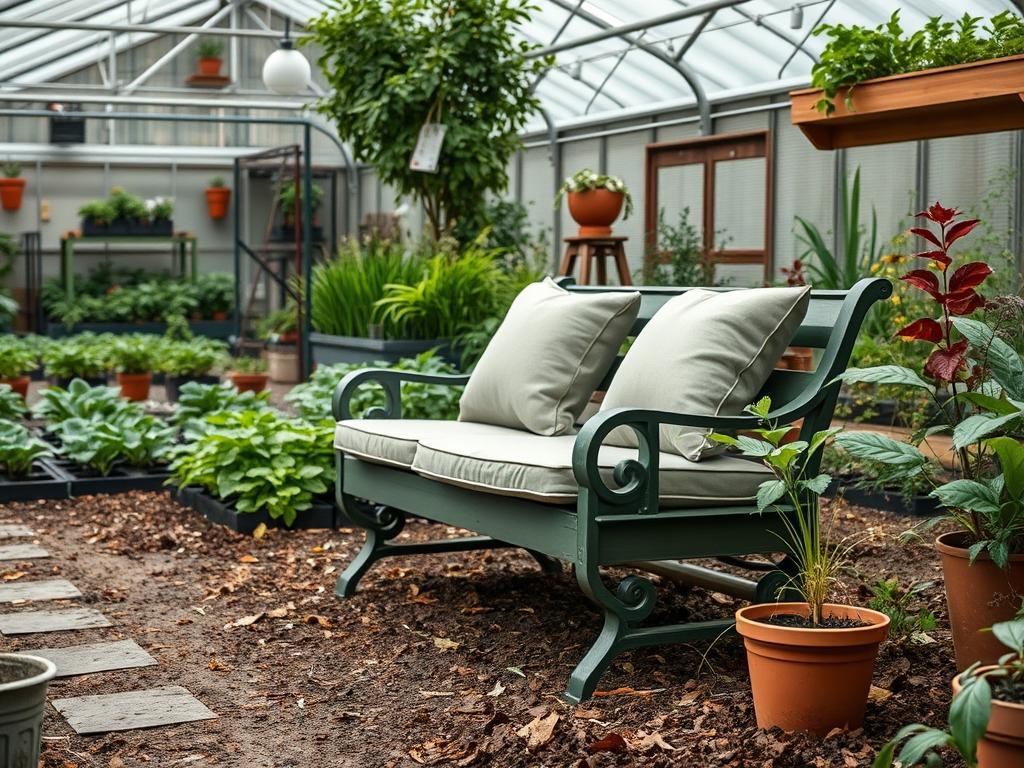
Designing a cohesive outdoor space requires more than just a green thumb; it demands a deep understanding of spatial geometry, environmental stressors, and human ergonomics. When we approach a residential site, we view the backyard as an extension of the interior architecture, where every element must withstand the local climate while providing aesthetic continuity. One often overlooked component of this architectural balance is the selection of softscapes and furniture accents. Specifically, the process of durable backyard bench cushion selection becomes a critical touchpoint between the hard structure of the garden and the comfort of the user. If the cushions fail due to UV degradation or moisture retention, the functional value of a high-end stone patio or custom hardwood bench is immediately diminished. We must treat fabric and foam selection with the same technical rigor we apply to soil pH testing or structural retaining wall engineering to ensure long-term viability.
A successful landscape provides a sanctuary that bridges the gap between the wild nature of the surrounding environment and the controlled safety of the home. This involves managing curb appeal and backyard functionality through a lens of sustainability. When selecting materials for high-traffic seating areas, professionals must account for humidity levels, annual rainfall, and the specific angle of sun exposure. High-quality textiles serve as the finishing layer of a landscape plan, acting as a visual anchor that draws the eye toward a focal point. Without a strategic approach to durability, these elements quickly become liabilities, requiring frequent replacement and contributing to environmental waste. By integrating material science with traditional horticultural practices, we create environments that remain vibrant and usable through every season.
Landscape Design Principles
In the realm of landscape architecture, symmetry and focal points act as the skeletal structure of a garden. A well-placed bench often serves as a terminus for a primary walkway, providing a destination that encourages interaction with the environment. To achieve visual balance, we utilize elevation layers, which involve staggering plant heights to create depth and privacy. For instance, a Stone Masonry Retaining Wall might provide the backdrop for a seating area, while a mid-layer of ornamental grasses provides movement and texture. The choice of seating materials must complement these layers; a rustic garden benefits from earth-toned, textured fabrics, whereas a modern, minimalist space might require sleek, high-contrast solids.
Irrigation planning is another pillar of professional design that directly impacts your backyard bench cushion selection. If a bench is positioned near an active Rotary Sprinkler Head, the cushions will be subjected to constant moisture, increasing the risk of mildew and rot. Designing with a clear separation between high-moisture zones and seating areas is essential. Walkways should be wide enough to allow for easy circulation, typically measuring at least 36 inches for single-file transit, or 60 inches for two people. These paths should lead the eye and the feet toward comfortable zones where the chosen upholstery provides a soft counterpoint to the hard surfaces of Flagstone or Paver Bricks. By grounding the furniture in a structurally sound layout, the entire landscape feels intentional and permanent.
Plant and Material Selection
The following table outlines high-performance plant species and specialized outdoor materials that form the basis of a resilient backyard environment.
| Plant or Material Type | Sun Exposure | Soil Needs | Water Demand | Growth Speed | Maintenance Level |
| :— | :— | :— | :— | :— | :— |
| Buxus Microphylla (Boxwood) | Full Sun to Shade | Well-Drained | Moderate | Slow | Medium |
| Lavandula Angustifolia (Lavender) | Full Sun | Sandy/Gravel | Low | Moderate | Low |
| Ilex Glabra (Inkberry) | Full Sun to Part | Acidic/Moist | Moderate | Slow | Low |
| Solution-Dyed Acrylic (Fabric) | High UV Resistance | N/A | Repellent | N/A | Low |
| Closed-Cell Polyethylene (Foam) | N/A | N/A | None (Waterproof) | N/A | Low |
| Miscanthus Sinensis (Maiden Grass) | Full Sun | Adaptable | Low | Fast | Annual Cutback |
| Thymus Serpyllum (Creeping Thyme) | Full Sun | Poor/Dry | Low | Moderate | Low |
When focusing on backyard bench cushion selection, the Solution-Dyed Acrylic fabric listed above is the industry standard for durability. Unlike piece-dyed fabrics where color is applied only to the surface, solution-dyeing infuses the color into the fiber while it is still in a liquid state. This prevents fading from harsh sunlight. Additionally, using Open-Cell Reticulated Foam allows water to flow through the cushion quickly, which prevents the inner core from becoming a sponge for bacteria and mold.
Implementation Strategy
The transition from a design on paper to a physical landscape requires a methodical implementation strategy. The first step is grading the site. Correct grading ensures that water flows away from structures and seating areas, preventing the pooling that can ruin both furniture and plant root systems. A slope of at least 2 percent is generally recommended for adequate drainage. Once the grade is established, we lay out the hardscaping using Contractor Marking Paint to visualize the placement of benches, paths, and walls.
After the hard structures are in place, edging becomes the next priority. We utilize 14-Gauge Steel Edging or Heavy-Duty Plastic Benders to create crisp lines between lawn areas and planting beds. This prevents invasive turfgrass from encroaching on the seating zones. Deep mulching follows, with a target depth of 3 inches of Organic Cedar Bark or Triple-Shredded Hardwood. Mulch is critical for moisture retention and weed suppression, but it must be kept away from the direct contact of wooden bench legs to prevent rot. Finally, the installation of the cushions completes the space. Secure the cushions using Marine-Grade Snap Fasteners or High-Tension Ties to ensure they do not shift during high winds, providing a polished and professional finish to the outdoor room.
Common Landscaping Failures
Many backyard projects suffer from a few common mistakes that are easily avoidable with proper planning. The most frequent failure we encounter is poor drainage. When water collects around the base of a garden bench, it creates a humid microclimate that accelerates the degradation of even the most durable fabrics. If your backyard bench cushion selection includes high-end materials, but your drainage is failing, you are effectively throwing money away. Soil compaction is another silent killer of landscapes. In areas with high foot traffic around seating, the soil becomes packed tight, preventing oxygen and water from reaching plant roots. We recommend aerating these zones annually or installing Permeable Pavers to mitigate this issue.
Improper spacing is a third major hurdle. Homeowners often buy plants based on their size at the nursery rather than their mature dimensions. A Quercus virginiana (Live Oak) planted too close to a bench will eventually destroy the foundation or drop excessive debris onto the cushions. Similarly, root overcrowding occurs when too many competitive species are placed in a single planter box or near a built-in seat. Lastly, irrigation inefficiencies, such as overwatering or misdirected spray, can lead to iron staining on light-colored fabrics and fungal growth in the lawn. A well-designed system uses Pressure-Compensating Drip Tubing to deliver water directly to the soil, keeping the seating area and its cushions dry and pristine.
Seasonal Maintenance
A landscape is a living entity that requires different care strategies as the seasons shift. In the spring, the focus is on rejuvenation. This is when we perform soil tests using a Digital pH Meter and apply balanced fertilizers to encourage early growth. It is also the time to inspect the bench frames and apply a fresh coat of UV-Rated Teak Oil or Exterior Sealant. Summer maintenance revolves around water management. We monitor the ET (Evapotranspiration) Rate to adjust irrigation schedules, ensuring that plants stay hydrated without creating the swampy conditions that attract mosquitoes around seating areas.
As autumn arrives, the priority shifts to cleanup. Removing fallen leaves from the tops of cushions and under the benches is vital. If organic matter is left to decompose on the fabric, it can leave permanent tannins and stains, complicating your backyard bench cushion selection goals. Winter is the season for protection. In harsh climates, we recommend removing cushions and storing them in a Weatherproof Deck Box or a dry garage. Even the most durable fabrics benefit from a break from heavy snow loads and freezing temperatures. For the plants, applying a layer of Pine Straw or Winter Mulch provides an extra layer of insulation for the root zones, ensuring they emerge healthy and vibrant in the following spring.
Professional Landscaping FAQ
What is the best fabric for outdoor bench cushions?
Solution-Dyed Acrylic is the premier choice. It offers superior UV resistance and colorfastness. Unlike polyester, it does not fade quickly and features a chemical finish that repels water and prevents the growth of mold or mildew in humid environments.
How do I prevent my outdoor cushions from sliding?
Utilize Non-Slip Grip Pads specifically designed for outdoor furniture. Alternatively, sewing Heavy-Duty Cushion Ties or using Velcro Industrial Strength Strips can secure the pads to the bench frame, ensuring they stay in place during heavy use or wind.
What is the ideal mulch depth for garden beds?
A depth of 3 inches is the professional standard. This thickness provides enough coverage to suppress weed seeds and retain moisture without suffocating the soil. Ensure the mulch is kept a few inches away from the base of plants and furniture.
How can I improve drainage around a seating area?
Installing a French Drain or a Dry Well can redirect excess surface water. Additionally, incorporating a Gravel Underlayment beneath your bench prevents water from pooling around the feet, which protects both the furniture and the cushion materials from moisture damage.
Why are my landscape plants dying despite regular watering?
The most likely cause is Soil Compaction or Poor Drainage. If the roots are sitting in waterlogged soil, they will rot. Use a Garden Auger to check for subsurface moisture and consider amending the soil with Organic Compost to improve aeration.