
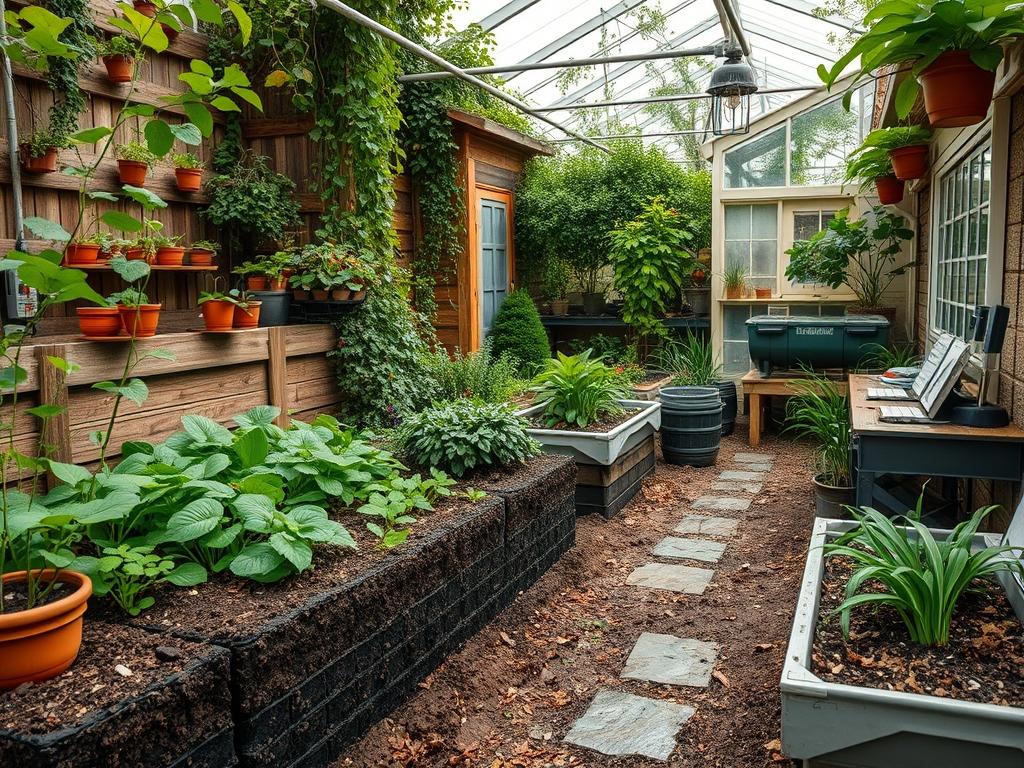
Designing a transition zone between the untamed outdoors and a curated interior requires more than just a doormat and a bench. A Backyard Mud Room Design serves as a critical functional threshold, acting as a buffer that captures debris, manages moisture, and organizes the chaotic gear associated with modern outdoor living. From a landscape architecture perspective, this area must balance high-traffic durability with aesthetic continuity. Whether you are dealing with a muddy garden path or a sandy poolside entry, the primary challenge lies in creating a space that feels like an intentional extension of the home rather than a cluttered utility area. Climate considerations play a decisive role here; in regions with heavy rainfall, the design must prioritize rapid drainage and moisture-resistant surfaces, while arid environments require shade structures to protect equipment from UV degradation. By integrating the mud room into the broader landscape plan, homeowners can significantly enhance their property value and curb appeal, turning a purely utilitarian necessity into a sophisticated architectural feature.
Landscape Design Principles
A successful Backyard Mud Room Design relies on the principle of symmetry and the careful management of sightlines. The transition from the open lawn to a designated mud zone should feel natural. Achieving this often involves using focal points, such as a large ceramic planter or a high-quality teak bench, to draw the eye toward the entry point. Symmetry can be established by flanking the entrance with matching shrubs or architectural lighting, which provides a sense of order in an area that is prone to clutter.
Elevation layers are equally important for defining the space. By raising the mud room area slightly above the surrounding grade, perhaps using a low-profile stone plinth or a timber deck, you create a physical barrier that discourages the migration of mulch and soil onto the clean porch surface. This change in elevation also assists in irrigation planning. Any water used at an outdoor wash station must be directed away from the home foundation through a sub-surface French drain or a deceptive dry creek bed.
Walkways leading to the mud room should be wide enough for two people to pass, typically measuring at least 48 inches. Using permeable pavers or flagstone with mortar joints ensures a stable, non-slip surface that can withstand heavy scrubbing or pressure washing. Visual balance is achieved by mirroring the materials used in the main house architecture, such as matching the brick veneer or siding color to the mud room cabinetry or storage units.
Plant and Material Selection
The following table provides a selection of durable plants and essential hardscaping materials that thrive in high-traffic transition zones.
| Plant or Material Type | Sun Exposure | Soil Needs | Water Demand | Growth Speed | Maintenance Level |
| :— | :— | :— | :— | :— | :— |
| Boxwood (Buxus) | Full Sun to Shade | Well-Drained | Moderate | Slow | Medium (Requires Pruning) |
| Creeping Thyme | Full Sun | Gritty, Lean | Low | Fast | Low (Tolerates Foot Traffic) |
| Switchgrass | Full Sun | Adaptable | Low | Medium | Low (Native Resilience) |
| Hostas | Part to Full Shade | Rich, Organic | High | Medium | Low (Easy to Divide) |
| Crushed Granite | N/A | Compacted Base | N/A | N/A | Medium (Occasional Raking) |
| Blue Star Creeper | Part Sun | Moist, Loamy | Moderate | Fast | Low (Soft Underfoot) |
Implementation Strategy
The implementation of a Backyard Mud Room Design begins with professional grading. The ground must slope away from the structure at a minimum of two percent to prevent water pooling. Once the grade is established, the layout should be marked using landscape stakes and string lines. This is the stage where you determine the exact footprint for hardscaping elements like retaining walls or paver landings.
For the base, excavate to a depth of 6 to 8 inches. Lay down a layer of non-woven geotextile fabric to prevent soil mixing, then fill with 4 inches of compacted 21A or 3/4-inch crushed stone. This provides the structural integrity needed for heavy furniture or storage lockers. Edging is crucial for a clean look; use pro-grade aluminum edging or Belgian block to keep the transition between the walkway and the garden beds crisp.
Mulching should be intentional. Avoid lightweight wood chips that can float away during heavy rain; instead, use triple-shredded hardwood mulch or river rock applied at a depth of 3 inches. If your design includes an outdoor shower or a dog wash station, ensure the plumbing is integrated early in the process, with pipes buried below the local frost line to prevent winter damage. Finally, install weather-resistant cabinetry made of marine-grade polymer or powder-coated aluminum to house boots, tools, and sports equipment.
Common Landscaping Failures
The most frequent failure in Backyard Mud Room Design is inadequate drainage. Homeowners often install beautiful stone patios that inadvertently trap water against the siding, leading to wood rot and foundation issues. Without a proper trench drain or a sloped sub-base, water will inevitably follow the path of least resistance into the house.
Another common mistake is root overcrowding. In an attempt to hide the utility of a mud room, designers sometimes plant vigorous species too close to the structure. Over time, the root systems of trees can heave pavers and damage underground PVC irrigation lines. Improper spacing also limits airflow, which encourages the growth of mold and mildew on outdoor storage units.
Soil compaction is a hidden culprit of poor plant health in these areas. Because mud rooms are high-traffic zones, the soil adjacent to the walkways often becomes as hard as concrete, preventing oxygen and water from reaching plant roots. Use stepping stones or designated paths to funnel traffic and protect the surrounding landscape. Finally, many fail to calibrate their irrigation emitters for the specific needs of the mud room zone, leading to either parched plants or muddy bogs that defeat the purpose of the room.
Seasonal Maintenance
Spring maintenance involves a deep cleaning of all hard surfaces. Use a stiff-bristle broom and a mild detergent to remove algae from pavers or decking. Inspect the edging for frost heave and hammer any loose stakes back into the ground. This is also the time to apply a fresh layer of mulch and check if the irrigation system has any leaks from winter freezes.
In the summer, the focus shifts to moisture management. If your mud room includes a wash station, ensure the drains are clear of hair and sediment. Prune any shrubbery that has grown over the walkways to maintain the required 48-inch clearance. During autumn, leaf removal is paramount. Wet leaves on a mud room floor become a slippery hazard and can stain natural stone. Clear the gutters above the entry to ensure water does not splash back onto the transition zone.
Winter requirements vary by climate, but generally involve protecting the infrastructure. Shut off the water supply to outdoor faucets and drain the lines to prevent bursting. If you use salt for ice, be aware that many concrete pavers and certain perennials are sensitive to sodium; consider using calcium chloride as a safer alternative for the surrounding landscape.
Professional Landscaping FAQ
How can I stop mud from tracking into the house?
A multi-stage approach is best. Use heavy-duty coir mats followed by a permeable stone landing. The stone’s texture knocks debris off boots, while the mats absorb moisture. Integrating a low-pressure hose station nearby allows for immediate rinsing of heavy mud.
What is the best material for a mud room floor?
Textured porcelain tiles or natural slate are excellent choices. They are non-porous, slip-resistant, and easy to sanitize. Avoid polished stones, as they become dangerously slick when wet. Ensure the material is rated for outdoor use to withstand freeze-thaw cycles.
How do I hide trash cans in a mud room area?
Incorporate a lattice screen or a low cedar fence that matches the home architectural style. Planting a row of Green Giant Arborvitae provides a year-round evergreen screen. Ensure the enclosure has a flat, level concrete pad for stability.
Can I build a mud room on a slope?
Yes, but it requires a tiered retaining wall system. Use timber ties or stone blocks to create level terraces. This prevents erosion and allows for the installation of flat walking surfaces. Always consult a Professional Engineer for walls over 3 feet tall.
What lighting is best for a backyard entry?
Use a combination of low-voltage path lights and motion-activated sconces. Path lights should be spaced every 6 to 8 feet to illuminate the walkway safely. Ensure all fixtures are UL-rated for wet locations and use LED bulbs for longevity.