
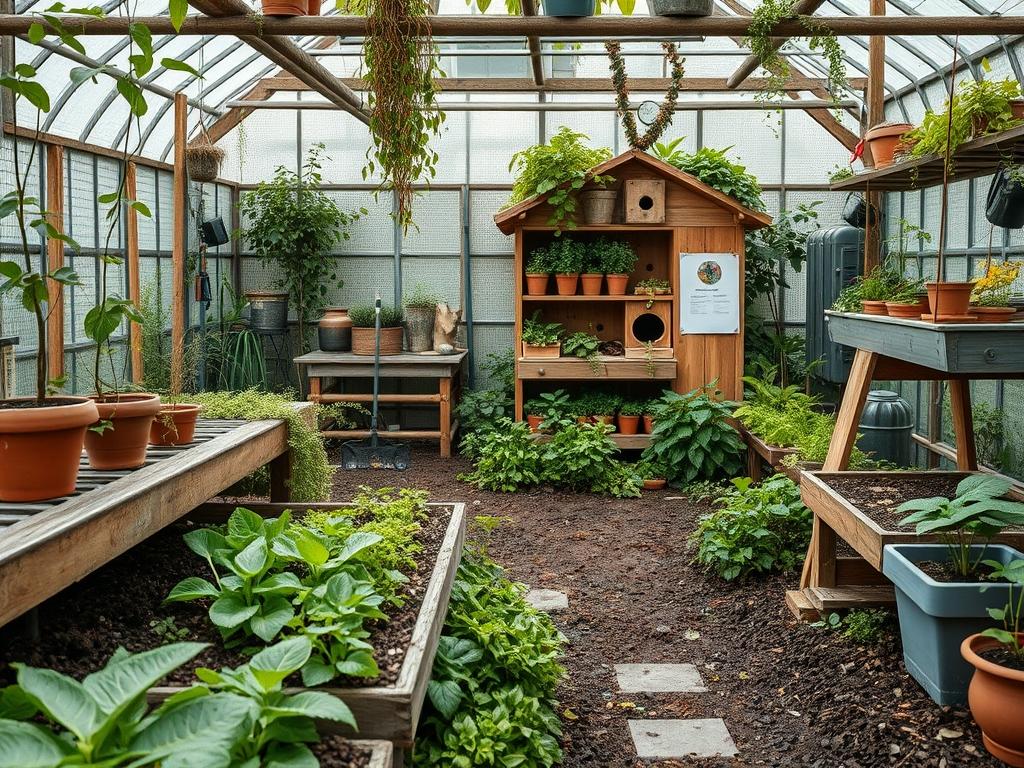
Integrating a sophisticated ecological habitat into a modern landscape requires a balance between architectural precision and raw biological necessity. For the contemporary homeowner, the challenge lies in moving beyond the traditional sterile lawn toward a functional ecosystem that supports local biodiversity without sacrificing curb appeal. A well executed Backyard Insect Hotel Design serves as more than just a sanctuary for solitary bees and lacewings; it acts as a structured focal point that anchors a garden bed and demonstrates environmental stewardship. When planning these structures, landscape architects must consider microclimates, wind patterns, and the surrounding flora to ensure the installation is both inhabited by beneficial insects and visually harmonious with the existing outdoor living space. The ultimate goal is to create a multi seasonal asset that manages pest populations naturally while providing a refined aesthetic that complements high end hardscaping and softscaping elements.
Landscape Design Principles
Successful integration of an insect habitat starts with the principle of visual balance and focal points. A structure designed for biodiversity should not look like an afterthought leaning against a fence. Instead, consider placing the hotel at the end of a sightline, perhaps framed by boxwood hedges or positioned near a transition point between a manicured patio and a wilder meadow area. Symmetry can be achieved by flanking the installation with identical oversized planters or by placing it in the center of a formal parterre garden. Elevation layers are equally critical. The hotel itself should be elevated at least 3 feet above the grade to prevent ground moisture from rotting the base materials and to keep the inhabitants safe from ground dwelling predators.
Irrigation planning is another vital design pillar. While the hotel structure needs to remain dry, the surrounding vegetation must be sufficiently hydrated to produce the nectar and pollen required by the guests. Subsurface drip irrigation is preferred here, as it delivers water directly to the root zones of pollinator plants without creating excess humidity around the hotel structure, which could lead to fungal growth. Furthermore, the walkway leading to or around the habitat should use permeable materials like decomposed granite or flagstone set in sand. This allows for proper drainage and prevents puddling near the structural foundation of the insect hotel. Visual balance is maintained by matching the wood species of the hotel, such as untreated cedar or redwood, to the existing deck or pergola materials.
Plant and Material Selection
| Plant Type | Sun Exposure | Soil Needs | Water Demand | Growth Speed | Maintenance Level |
| :— | :— | :— | :— | :— | :— |
| Lavandula angustifolia | Full Sun | Well-drained, sandy | Low | Medium | Moderate |
| Echinacea purpurea | Full Sun/Part Shade | Loamy, moist | Moderate | Fast | Low |
| Salvia nemorosa | Full Sun | Average to dry | Low | Fast | Low |
| Asclepias tuberosa | Full Sun | Sandy, acidic | Very Low | Slow | Low |
| Rudbeckia hirta | Full Sun/Part Shade | Well-drained | Moderate | Very Fast | Moderate |
| Nepeta x faassenii | Full Sun | Average | Low | Fast | Low |
The choice of structural materials is just as important as the botanical selection. For the frame of the Backyard Insect Hotel Design, use 4×4 pressure-treated posts for the ground contact portions, but ensure the nesting cavities themselves are made from natural, untreated hardwoods. Filling materials should include bamboo stalks, hollow reeds, drilled logs, and terracotta shards. Avoid using plastic or chemically preserved wood inside the nesting area, as the off-gassing can be toxic to delicate larvae.
Implementation Strategy
The construction of a high quality landscape habitat begins with proper site grading. The area around the hotel must be graded at a 2 percent slope away from the structure to ensure that heavy rain does not saturate the foundation. Start by excavating a small area for a compacted gravel base approximately 6 inches deep. This provides a stable, well draining platform for the hotel’s support legs. If the design includes a heavy timber frame, consider using concrete pier blocks to elevate the wood entirely off the soil.
Once the foundation is set, focus on the edging. Use steel landscape edging or cobblestone borders to create a clean line between the habitat’s mulch bed and the surrounding lawn. Apply a 3 inch layer of hardwood mulch or pine bark nuggets around the base to suppress weeds and retain soil moisture for nearby plants. For the internal layout of the hotel, organize materials in a grid pattern. Place heavier materials like bricks and stone at the bottom to lower the center of gravity, and lighter materials like straw or rolled bark in the upper sections. Use a bituminous flashing or a small piece of standing seam metal roofing on top of the hotel to provide a permanent waterproof cap, extending the life of the structure by several years.
Common Landscaping Failures
One of the most frequent mistakes in Backyard Insect Hotel Design is poor drainage management. If the structure is placed in a low lying area of the yard, it will become a moisture trap, leading to mold and the death of overwintering insects. Another common failure is root overcrowding. Often, gardeners plant vigorous climbers too close to the hotel, and within two seasons, the vines have completely choked the nesting entrance, rendering it inaccessible. Ensure at least a 24 inch clearance between the structure and any woody shrubs.
Improper spacing of plants can also lead to air stagnation. When plants are packed too tightly to achieve an “instant” look, they compete for nutrients and restrict airflow, which increases the risk of powdery mildew. Soil compaction is another silent killer. During the installation phase, heavy foot traffic near the hotel can compress the soil, preventing air and water from reaching the roots of the crucial pollinator plants listed in your design. Finally, irrigation inefficiencies, such as overhead sprinklers hitting the face of the insect hotel, will saturate the nesting tubes and cause the wood to swell and rot prematurely.
Seasonal Maintenance
Landscape management for an insect hotel changes with the calendar. In the spring, inspect the structure for any structural damage caused by winter storms. This is the time to prune back any dormant perennials and clear away old debris to make room for new growth. Check the bamboo tubes to see which ones have been capped with mud or leaf material, indicating they are occupied. Do not disturb these until the insects have emerged later in the season.
During the summer, focus on deadheading flowers like Salvia and Echinacea to encourage continuous blooming, providing a steady food source for the hotel’s occupants. Monitor the moisture levels in the surrounding soil, especially during heatwaves. In autumn, leave some fallen leaves and dried stalks in the garden beds nearby; these provide additional insulation and secondary nesting sites. Winter maintenance is primarily about protection. Ensure the metal roof is clear of heavy snow loads and check that the surrounding retaining walls or fences aren’t diverting freezing runoff toward the base of the hotel. If the structure features removable nesting trays, they can be cleaned and sanitized every two or three years during the late winter to prevent the buildup of mites and parasites.
Professional Landscaping FAQ
What is the best orientation for an insect hotel?
Install your Backyard Insect Hotel Design facing south or southeast. This ensures the structure receives the morning sun, which helps insects warm up their wing muscles for flight while providing protection from prevailing wind and rain coming from the north.
Do insect hotels attract unwanted pests like wasps?
Most hotel residents are solitary bees and beneficial predators like hoverflies. While social wasps may investigate, they rarely nest in these structures if the cavities are correctly sized between 2mm and 10mm in diameter. Solitary wasps are actually beneficial garden hunters.
How do I prevent the wood from rotting?
Use naturally rot-resistant lumber like western red cedar or black locust. Ensure the structure is elevated off the ground using galvanized post bases or stone plinths, and always include a weatherproof sloped roof with a significant overhang to shed water.
How often should I replace the nesting materials?
To maintain hygiene, replace about a third of the hollow stems and cardboard tubes every two years. This prevents the accumulation of naturally occurring pathogens. Always wait until the late spring after insects have emerged before swapping out old materials.
Does an insect hotel require a building permit?
Generally, no. Most insect hotels are considered garden ornaments or small landscape structures. However, if your design is exceptionally large or integrated into a permanent retaining wall exceeding 3 feet in height, check your local municipal codes regarding small structures.