
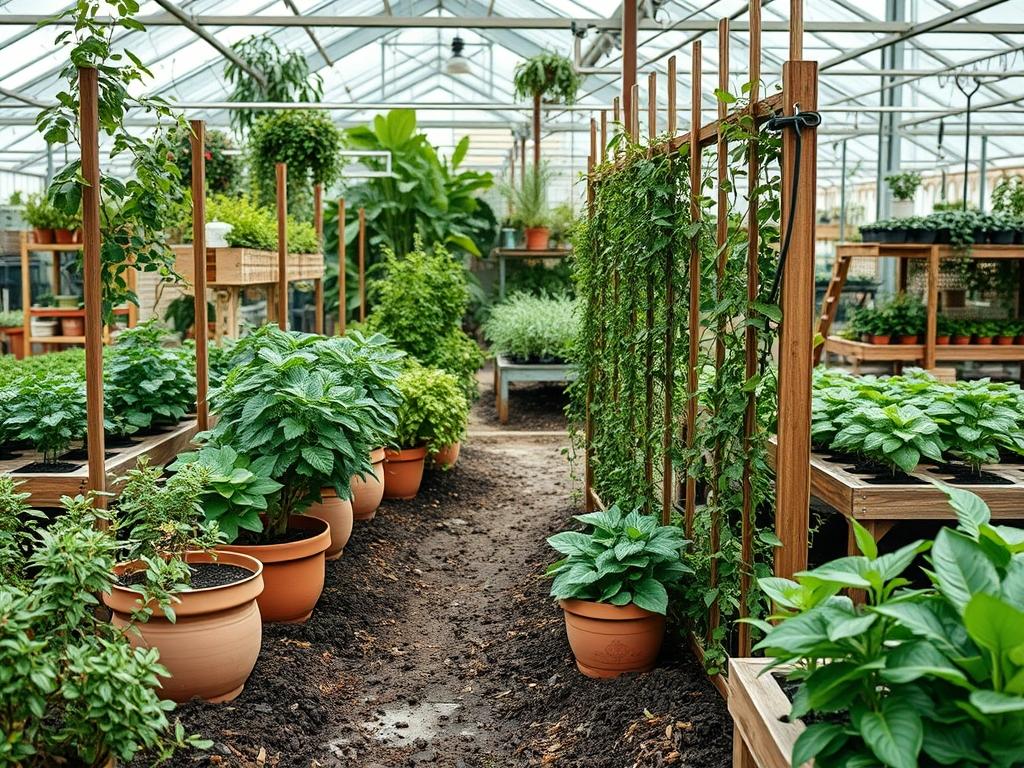
Privacy remains one of the most sought-after commodities in contemporary residential landscape design. As property lines tighten and multi-story developments overlook once-secluded backyards, the need for effective vertical screening has become a primary objective for homeowners. While traditional timber fences provide immediate results, they often feel sterile or imposing. Integrating Trellis Privacy Screen Plants into an outdoor environment solves the dual challenge of establishing a secure perimeter and enhancing the ecological health of the site. A living wall softens the hard edges of a property, reduces ambient noise through leaf vibration, and provides a cooling effect during peak summer months. Achieving a professional-grade result requires a deep understanding of site orientation, soil mechanics, and the specific growth habits of climbing species.
Landscape Design Principles
Successful vertical gardening begins with the concept of elevational layers. In landscape architecture, we view the trellis not just as a support structure, but as a transitional element that bridges the gap between the horizontal plane of the lawn and the vertical plane of the home architecture. Symmetry plays a vital role in formal designs; flanking a central patio with twin cedar trellises clad in Star Jasmine creates a balanced, classical aesthetic. Conversely, asymmetrical groupings of screens can be used to direct sightlines away from unsightly utilities or toward distant focal points like a water feature or a specimen tree.
Visual balance must also account for the massing of the foliage. A heavy, woody climber like Wisteria requires a robust, anchored structure to prevent collapse under the weight of mature vines. Professionals often utilize a transit level to ensure that all vertical supports are perfectly plumb before installation begins. This attention to detail prevents the subtle “leaning” effect that can ruin the architectural integrity of a long gallery of screens. Furthermore, irrigation planning must be integrated at the schematic stage. Running polyethylene drip tubing along the base of the trellis ensures that water reaches the root zones without promoting fungal growth on the leaves, which is a common hazard in dense living screens.
Plant and Material Selection
Selecting the right biological components for your screen involves analyzing the microclimate of each specific section of the yard. A north-facing wall creates a vastly different environment than a south-facing fence line. The following table highlights high-performance species suited for various environmental constraints.
| Plant Type | Sun Exposure | Soil Needs | Water Demand | Growth Speed | Maintenance Level |
| :— | :— | :— | :— | :— | :— |
| Clematis | Full Sun/Part Shade | Cool, moist, alkaline | Moderate | Medium | Moderate |
| Star Jasmine | Full Sun to Shade | Well-drained loam | Moderate | Fast | Low |
| Climbing Hydrangea | Part to Full Shade | Rich, organic matter | High | Slow initially | Low |
| Boston Ivy | Full Sun to Shade | Adaptable/Clay tolerant | Low | Rapid | High (Pruning) |
| Honeysuckle | Full Sun | Average, well-drained | Moderate | Fast | Medium |
| Trumpet Vine | Full Sun | Any soil type | Low | Aggressive | High |
| American Wisteria | Full Sun | Fertile, slightly acidic | Moderate | Fast | High (Structural) |
When choosing materials for the support system, durability is paramount. While redwood and western red cedar offer natural rot resistance and a high-end finish, powder-coated steel or heavy-duty vinyl may be appropriate for more contemporary or industrial aesthetics. Always ensure the mesh size of the trellis is compatible with the plant’s climbing mechanism, whether it uses twining stems, tendrils, or adhesive aerial roots.
Implementation Strategy
The installation of a living privacy screen begins with site preparation and grading. It is a common mistake to ignore the slope of the land. Ensure the ground at the base of the trellis is graded away from the house foundation at a rate of at least 2 percent. If the area is prone to standing water, consider installing a French drain or a layer of angular gravel to facilitate drainage.
Once the grade is set, mark the post locations using builder’s string and marking paint. For a standard 6-foot trellis, posts should be set at least 24 inches deep, or below the local frost line, to prevent heaving. Use 80-pound bags of concrete mix to secure each post, ensuring the top of the concrete is sloped away from the wood to shed water. After the structure is assembled, prepare the planting trench. Dig a hole for each plant that is twice as wide as the root ball but no deeper. Incorporating organic compost into the backfill soil will provide a nutrient-rich start.
Apply a 3-inch layer of hardwood mulch around the base to retain moisture and suppress weeds. Be careful not to let the mulch touch the main stem of the plant, as this can encourage rot. If the species is a twinier, use jute twine to gently train the first season’s growth onto the trellis. This initial guidance is critical for ensuring full coverage from the bottom up.
Common Landscaping Failures
One of the most frequent errors in trellis gardening is improper spacing. Homeowners often plant too many individuals in an attempt to get “instant” privacy. This leads to intense root competition and poor air circulation, which invites powdery mildew and spider mites. A professional approach involves calculating the mature spread of each Trellis Privacy Screen Plant and spacing them so they barely touch at full maturity.
Soil compaction is another silent killer. During the construction of the trellis, foot traffic and heavy equipment can compress the soil, eliminating the pore spaces required for oxygen to reach the roots. If the soil is heavy clay, use a garden fork to aerate the area before planting. Additionally, many people suffer from the “bathtub effect” by digging a hole in heavy clay and filling it with light potting soil. This creates a basin that traps water, eventually drowning the root system. Always mix local soil with amendments rather than replacing it entirely to ensure a smooth moisture transition.
Seasonal Maintenance
A living screen is a dynamic asset that requires quarterly attention. In the Spring, focus on fertilization and structural inspections. Apply a balanced, slow-release fertilizer before the first flush of growth appears. Inspect the stainless steel hardware and zip ties on your trellis to ensure they haven’t become brittle over the winter or begun to girdle the expanding vines.
During the Summer, irrigation management is the priority. As temperatures rise, the transpiration rate of a dense wall of foliage is significant. If leaves appear wilted in the morning, increase the duration of your drip irrigation cycles. This is also the time for “softwood” pruning to keep wandering tendrils away from gutters or window frames.
Autumn is the season for sanitation. Remove fallen debris from the base of the plants to prevent overwintering pests. For deciduous varieties like Boston Ivy, watch for the dramatic color shift and prepare for leaf pickup. This is also an excellent time to refresh the mulch depth to protect the roots from upcoming freezes.
In Winter, maintenance shifts to structural pruning for woody vines. Without leaves, the “skeleton” of the plant is visible, making it easier to identify and remove dead, damaged, or diseased wood. If you live in a region with heavy snow, use a soft broom to gently knock accumulation off the trellis to prevent structural failure.
Professional Landscaping FAQ
How long does it take for a trellis screen to provide full privacy?
Growth rates vary by species, but most fast-growing vines like Honeysuckle or Star Jasmine will provide respectable coverage within two growing seasons. Maintaining consistent irrigation and proper fertilization significantly accelerates this timeline during the establishment phase.
Can I grow trellis plants in large containers?
Yes, but you must select containers with a minimum volume of 15 gallons to prevent root binding. Ensure the pots have adequate drainage holes and use a high-quality potting mix containing perlite or vermiculite to maintain aeration.
Do I need a permit to install a tall trellis screen?
Most municipalities allow garden structures up to 6 or 8 feet without a permit, but rules vary. Always check local zoning laws and HOA guidelines regarding height restrictions and “sight triangle” rules for properties located on corner lots.
What is the best way to attach vines to a masonry wall?
Use a masonry drill bit to install eye bolts and run a grid of galvanized wire or marine-grade cable. This creates a gap between the foliage and the brick, preventing moisture trap and protecting the mortar from damage.
How do I prevent my privacy screen from becoming invasive?
Select native species or non-invasive cultivars whenever possible. Avoid aggressive spreaders like English Ivy in favor of controlled options like Clematis. Annual “hard pruning” in late winter also keeps vigorous species from escaping their intended boundaries.