
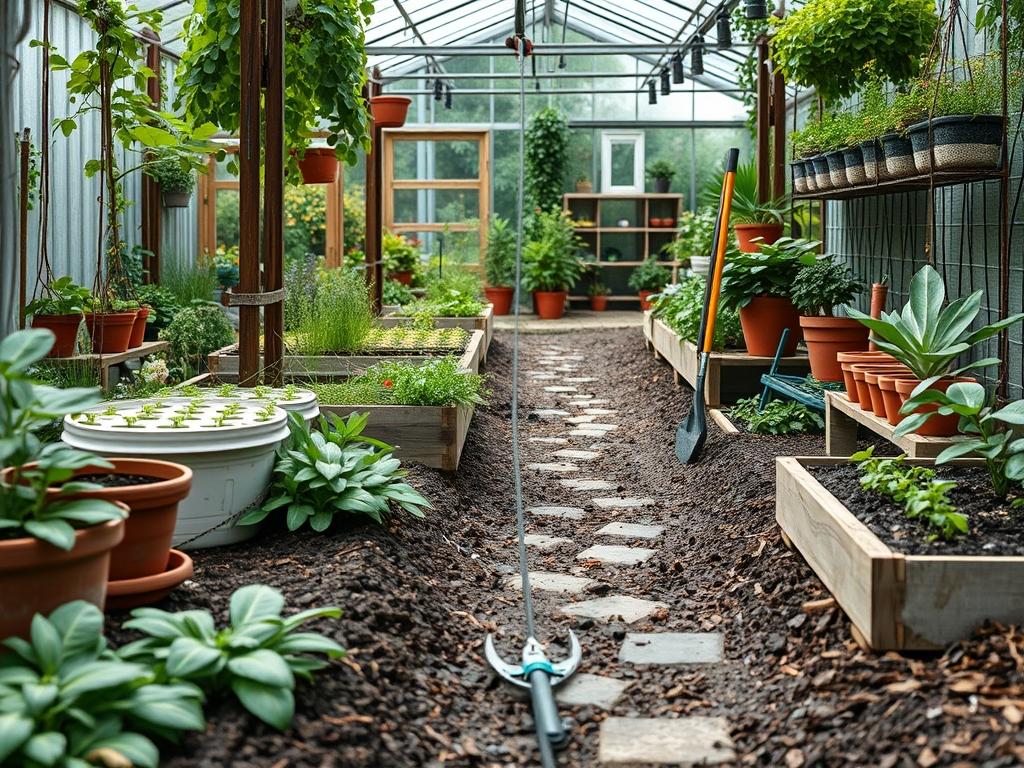
Integrating a recreational element like a zipline into a residential landscape requires a sophisticated balance between structural engineering and aesthetic harmony. As a landscape architect, I view the installation of a zipline as more than just adding a piece of play equipment; it is a permanent site feature that alters the topography, impacts soil health, and dictates the flow of pedestrian traffic. The primary challenge lies in ensuring that the zipline corridor remains safe and functional while maintaining the curb appeal and value of the property. Climate considerations play a major role here, as humidity can affect metal hardware while heavy rains may lead to erosion at high-impact landing zones. By planning the landscape around the zipline, we can create a destination that feels like a natural part of the outdoor environment rather than a utilitarian afterthought. This involves careful consideration of sightlines, the use of native plantings to soften structural anchors, and the implementation of drainage solutions that prevent the area from becoming a muddy hazard.
Landscape Design Principles
When designing a backyard that includes a zipline, symmetry and visual balance are essential. The zipline itself creates a strong linear axis that can easily overwhelm the rest of the garden if not properly managed. To soften this effect, I recommend using asymmetrical plant groupings and undulating garden beds that counteract the rigid straightness of the cable. Focal points should be established at both the launch and landing platforms. These can be highlighted with architectural lighting or unique stonework to ensure they look like intentional design elements rather than mere utility towers.
Elevation layers are perhaps the most critical component of zipline planning. A safe zipline requires a specific grade change, typically a drop of six to eight percent over the total length of the run. If your yard is naturally flat, you may need to engineer elevation using retaining walls or elevated decks. These structures must be integrated into the broader landscape using materials that match the home’s architecture, such as natural stone veneer or high-quality hardwood. Irrigation planning is another vital factor; you must ensure that sprinkler heads are positioned so they do not spray directly onto the steel cable or tensioning hardware, as constant moisture can lead to premature corrosion and structural failure. Walkways should be designed to guide users from the landing zone back to the start in a logical loop, using permeable materials like flagstone or crushed granite to prevent the ground from being compacted by repeated foot traffic.
Plant and Material Selection
The following table provides a selection of plants and materials that are particularly suitable for use near zipline corridors. These selections prioritize durability and low maintenance while providing the necessary cushioning and visual screening.
| Plant or Material Type | Sun Exposure | Soil Needs | Water Demand | Growth Speed | Maintenance Level |
| :— | :— | :— | :— | :— | :— |
| Engineered Wood Fiber | Full Sun / Shade | Well-drained | N/A | N/A | Moderate (Top-off yearly) |
| White Oak (Anchor Tree) | Full Sun | Deep, Loamy | Moderate | Slow | Low |
| Creeping Thyme | Full Sun | Sandy, Gritty | Low | Medium | Very Low |
| Switchgrass | Full Sun | Any | Low | Fast | Low (Cut back in Spring) |
| American Holly | Part Shade | Acidic | Moderate | Medium | Low |
| Decomposed Granite | Full Sun / Shade | N/A | N/A | N/A | Low |
Implementation Strategy
The process begins with a comprehensive site analysis and a property survey to identify underground utilities and property boundaries. Once the path is clear, our first task is grading. The landing area must be perfectly level and extend at least 15 feet beyond the final stopping point to provide a safe deceleration zone. This area should be excavated to a depth of 12 inches and filled with a safety-rated material. Engineered wood fiber is the gold standard here because its knitted fibers provide superior impact absorption compared to standard mulch.
Next, we address the anchor points. If you are using trees, they should be inspected by a certified arborist to ensure they have a diameter of at least 12 inches and a healthy root system. If trees are unavailable, we install steel reinforced concrete footings for vertical posts. These posts should be treated for ground contact and buried deep enough to resist the significant lateral tension generated when a rider is on the line. Once the anchors are set, we install the edging. I prefer using heavy-duty steel edging or pressure-treated timbers to contain the safety mulch and prevent it from migrating into the lawn or nearby garden beds. Finally, we install a drainage system, such as a French drain, beneath the landing zone to prevent water from pooling, which would otherwise degrade the impact-absorbing properties of the wood fiber.
Common Landscaping Failures
One of the most frequent mistakes in zipline landscaping is neglecting the health of the anchor trees. Wrapping a cable directly around a trunk can cause girdling, which eventually kills the tree and creates a massive safety risk. Using tree bark protectors or dead-ending the cable into a heavy-duty eyebolt is a much safer practice. Another common failure is improper drainage. Without a clear path for water to exit the landing area, the soil becomes saturated and the ground softens, leading to post-lean or cable slackening.
Soil compaction is a hidden danger that often goes ignored. Constant trampling in the transit corridor between the end and the start of the line can kill grass and compress the soil, making it hard and unforgiving during a fall. To mitigate this, we install perforated pavers or thick layers of organic mulch. Furthermore, many homeowners fail to account for the vertical clearance of vegetation. Over time, a small sapling can grow into the path of the zipline, creating a collision hazard. It is vital to maintain a 10-foot radius of clear space around the entire length of the cable to accommodate the rider’s body and the natural sway of the line.
Seasonal Maintenance
Landscape management for a zipline changes with the seasons. In the spring, your primary focus should be on internal inspections and structural integrity. Check the tensioning turnbuckles and look for signs of rust or wear on the trolley. This is also the time to replenish your safety mulch. Over the winter, mulch often decomposes or becomes compacted, reducing its ability to absorb shock; verify that you still have a consistent depth of at least 9 inches.
During the summer months, keep a close eye on the health of your anchor trees. High heat and drought can stress these trees, making them more susceptible to the mechanical loads of the zipline. Ensure they receive adequate deep-root watering. In the autumn, clear all fallen leaves from the landing area and the walkways. Wet leaves on a stone path can be as slippery as ice, creating a hazard for riders returning to the launch platform. Finally, in winter, if you live in a climate with heavy snow or ice, it is often best to de-tension the line. The weight of ice accumulation on a long cable can exceed its breaking strength or cause permanent stretching, compromising the safety of the system for the following season.
Professional Landscaping FAQ
How deep should the safety mulch be under the zipline?
You should maintain a depth of at least nine to twelve inches of engineered wood fiber or specialized safety mulch. This depth ensures proper impact attenuation for falls from heights up to ten feet, protecting riders from serious injury.
Can I use any tree as a zipline anchor?
No, you must select healthy hardwoods like Oak, Maple, or Hickory. Avoid softwoods like Pine or trees with shallow root systems like Willow. Ensure the trunk is at least 12 inches in diameter at the point of attachment.
What is the best way to prevent mud under the line?
Install a layer of geotextile fabric beneath a thick bed of wood fiber. For heavy clay soils, integrate a French drain system consisting of a perforated pipe and gravel to redirect water away from the landing and transit zones.
How do I hide the zipline for better curb appeal?
Use layered plantings of tall ornamental grasses or evergreen shrubs like Emerald Green Arborvitae to create a visual screen. This obscures the platforms and hardware from the street while maintaining a clear, safe path for the riders.
Does a zipline affect my property value?
If professionally installed and integrated into a high-quality landscape design, a zipline can be an attractive amenity. However, it must be maintained perfectly. A rusted or overgrown zipline is a liability that can decrease a home’s aesthetic appeal.