
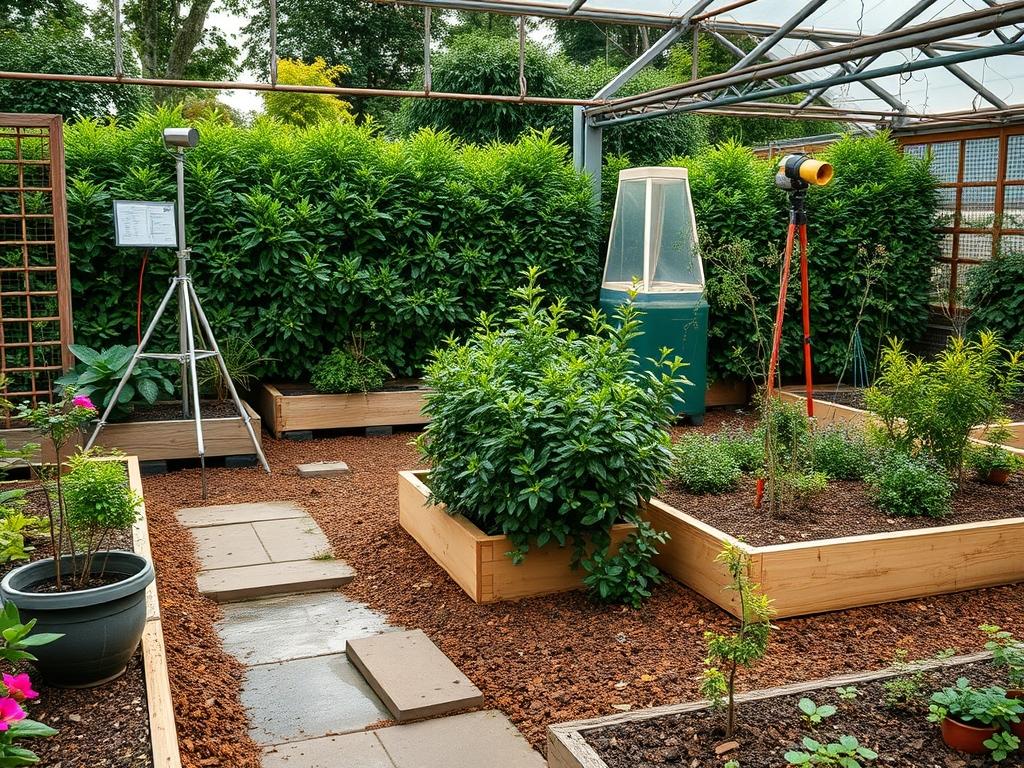
Creating a living boundary requires more than simply digging a hole and placing a shrub. It demands a strategic approach to green architecture. In the realm of professional landscaping, the boxwood stands as a premier choice for establishing structure, privacy, and year round interest. Property owners often seek out the boxwood for its dense foliage and manageable growth habits, yet they frequently underestimate the environmental variables that dictate long term success. A well executed privacy hedge serves as a functional barrier against noise and wind while simultaneously elevating the aesthetic value of the estate. Achieving this level of outdoor functionality requires a deep understanding of local microclimates and soil chemistry. When we plan these installations, we look beyond the immediate visual impact and consider how the specimens will integrate into the wider ecosystem over several decades.
Effective Boxwood Privacy Hedge Care begins at the drawing board. As an architect of the landscape, I view the hedge as a living wall. It provides the necessary backdrop for secondary and tertiary plantings, creating a sense of enclosure that defines private garden rooms. By carefully selecting cultivars that thrive in specific solar orientations, we ensure that the hedge maintains its density from the ground up to the crown. A common challenge in suburban environments is the presence of hardscaping that reflects heat, which can stress certain varieties. To mitigate this, we balance the physical structure of the hedge with proper irrigation and organic amendments that foster a resilient root system.
Landscape Design Principles
The successful integration of boxwoods into a project relies on the core concepts of symmetry and visual balance. In formal gardens, boxwoods are often used to create a parterre or to flank an axis, drawing the eye toward a specific focal point like a sculpture or a fountain. When designing for privacy, the continuity of the line is paramount. Any gap in the foliage breaks the illusion of a solid wall and diminishes the sense of seclusion. We often recommend planting in staggered rows rather than a single file line. This technique provides a deeper screen and allows for better air circulation between individual plants, which is a critical factor in preventing fungal pathogens.
Elevation layers play a significant role in creating a professional look. We rarely install a boxwood hedge in isolation. Instead, we layer the landscape by placing lower shrubs or perennials in front of the hedge. This creates a soft transition from the vertical wall to the horizontal plane of the turf or walkway. During the planning phase, we also incorporate irrigation systems that utilize drip lines. These systems deliver water directly to the root zone, reducing the risk of leaf wetness that often leads to blight. Furthermore, we consider the placement of walkways to ensure that foot traffic does not lead to soil compaction near the hedge line, as boxwoods are particularly sensitive to poor aeration in the root zone.
Plant and Material Selection
Selecting the correct cultivar is the most important decision in the planning process. Not all boxwoods are suited for high privacy screens. Some varieties are genetically predisposed to remain low and mounded, while others can reach heights of twelve feet if left unpruned.
| Plant Type | Sun Exposure | Soil Needs | Water Demand | Growth Speed | Maintenance Level |
| :— | :— | :— | :— | :— | :— |
| American Boxwood (Buxus sempervirens) | Full Sun to Part Shade | Well-drained, pH 6.5 to 7.2 | Moderate | Slow | Medium |
| Green Mountain Boxwood | Full Sun to Partial Shade | Rich, loamy, moist | Moderate | Moderate | High (requires shaping) |
| Winter Gem Boxwood | Full Sun to Full Shade | Average, well-drained | Moderate | Fast | Low |
| Dee Runk Boxwood | Full Sun to Part Shade | Fertile, well-draining | Moderate | Moderate | Low (upright habit) |
| Fastigiata Boxwood | Full Sun to Part Shade | Loose, well-drained | Moderate | Moderate | Medium |
Beyond the plants themselves, material selection for the installation site is vital. We utilize shredded hardwood mulch to regulate soil temperature and retain moisture. For areas with poor native soil, we specify a mix of loam, leaf compost, and coarse sand to ensure optimal drainage. If the site has a significant slope, the inclusion of stacked stone retaining walls or timber sleepers may be necessary to create a level planting bed and prevent erosion around the shallow root systems.
Implementation Strategy
The installation of a professional privacy hedge begins with site preparation. We start by flagging the perimeter and checking for underground utilities. Grading is the next priority. The site must be pitched slightly away from the center of the hedge to prevent standing water. We prefer a trench planting method over individual holes for privacy screens. This allows us to amend the entire run of soil and ensures that each root ball is positioned at exactly the same depth.
Once the trench is excavated to twice the width of the root balls, we mix in organic matter and a slow release fertilizer. The plants are positioned according to the desired density, typically spaced 24 to 36 inches on center depending on the cultivar. We then backfill with the amended soil, tamping lightly to remove large air pockets without over compressing the earth. A 2 to 3 inch layer of mulch is applied immediately, keeping it a few inches away from the main stems to avoid bark rot. Finally, we install a perforated drainage pipe if the site sits in a low lying area, ensuring excess water is moved away from the sensitive roots.
Common Landscaping Failures
The most frequent error in Boxwood Privacy Hedge Care is improper drainage. Boxwoods hate “wet feet.” If the soil remains saturated for extended periods, the roots will succumb to Phytophthora root rot, which leads to sudden yellowing and death of the plant. Another common mistake is root overcrowding. While property owners want an instant screen, planting too closely restricts air movement and creates a breeding ground for insects like the boxwood leafminer.
Soil compaction is another silent killer. During construction or heavy gardening, heavy machinery or repeated foot traffic can squeeze the air out of the soil. Boxwoods require oxygen at the root level to thrive. Irrigation inefficiencies also plague many landscapes. Overhead sprinklers that drench the foliage often incite boxwood blight, a devastating fungal disease. We always advocate for ground level irrigation. Finally, many gardeners fail to test the soil pH. Boxwoods prefer a site that is slightly acidic to neutral. If the soil is too acidic, the plants cannot properly uptake nutrients, resulting in stunted growth and off color leaves.
Seasonal Maintenance
Spring is the season of renewal and the most critical time for pruning. We wait until the threat of the last frost has passed before using sharperning shears to thin out the interior of the hedge. Thinning allows light and air to reach the center of the plant, preventing the “hollow” look that occurs when only the outer shell is green. This is also the time to apply a balanced 10-10-10 fertilizer and refresh the mulch layers.
In the summer, the focus shifts to moisture management. During periods of extreme heat, boxwoods may require deep watering twice a week. We monitor for signs of pest activity, specifically looking for the telltale orange spots of leafminers or the silken webs of spider mites. Applying an horticultural oil during the cooler morning hours can effectively manage these populations without harming beneficial insects.
Autumn is the period for preparation. We reduce fertilization to discourage new, tender growth that could be damaged by early frosts. This is an excellent time to plant new boxwoods, as the cooler temperatures and increased rainfall help them establish roots before winter dormancy. We also check the soil moisture one last time before the ground freezes.
Winter maintenance involves protection from the elements. In regions with heavy snowfall, boxwoods can be splayed open by the weight of the snow. We often use burlap wraps or twine to support the structure of larger hedges. Additionally, an anti-desiccant spray can be applied to the foliage to prevent winter burn, which occurs when cold winds strip moisture from the leaves while the roots are unable to replenish it from the frozen ground.
Professional Landscaping FAQ
How often should I trim my boxwood hedge?
For most varieties, a formal pruning in late spring followed by a light tidying in mid summer is sufficient. Avoid pruning in late autumn, as new growth triggered by the cuts will be too tender to survive the winter freezes.
Can boxwoods grow in full shade?
While varieties like Winter Gem tolerate shade, most boxwoods prefer dappled light or partial sun. In deep shade, most hedges will lose their density and become leggy, which compromises their effectiveness as a privacy screen or architectural boundary.
What is the best way to prevent boxwood blight?
Maintain excellent air circulation by thinning the interior branches annually. Ensure you only water at the base of the plant using drip irrigation. Always sanitize your pruning tools with a bleach solution between different plants to prevent cross contamination.
Why are my boxwood leaves turning orange or bronze?
Bronzing is often a sign of environmental stress such as winter burn or excessive sun exposure during cold months. It can also indicate a phosphorus deficiency or root stress. Most plants will recover their green color once spring growth begins.
How do I fix a gap in my privacy hedge?
If a plant dies, replace it with the same cultivar and size. To encourage the gap to close faster, lightly prune the surrounding plants to stimulate lateral growth. Ensure the new plant receives consistent water as it establishes in the existing hedge line.