
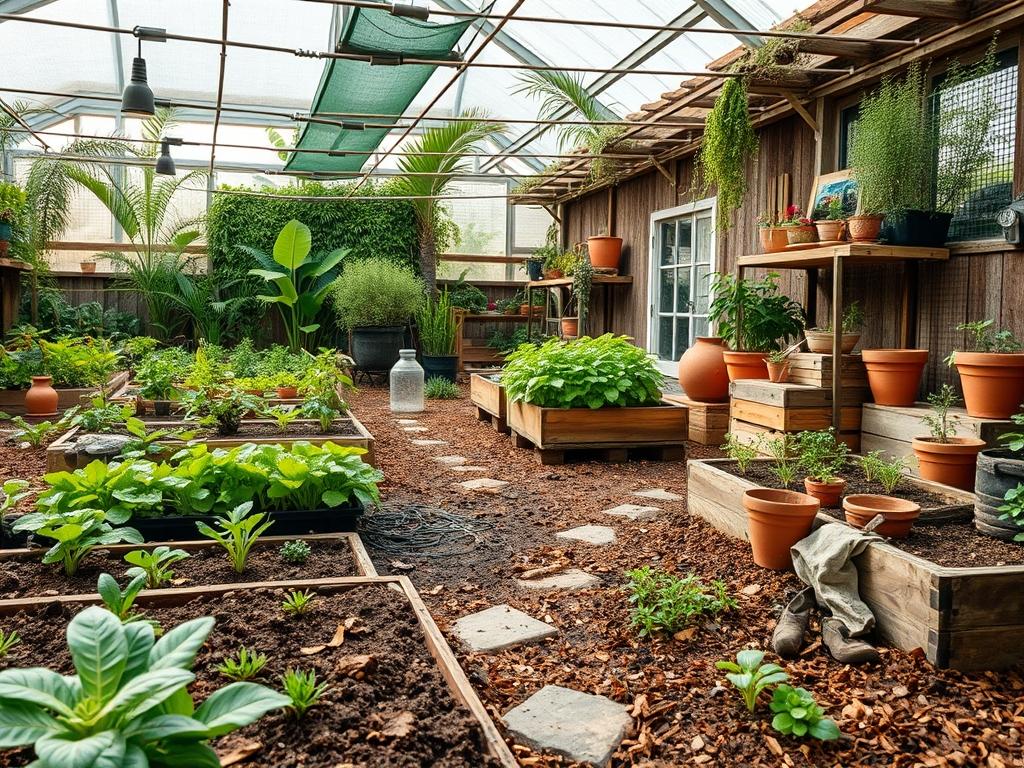
Creating a sophisticated outdoor environment that incorporates Backyard Adventure Play zones requires a delicate balance between high-end aesthetics and rugged durability. The primary challenge for any landscape architect is to design a space where children can engage in unstructured, imaginative play without compromising the property’s curb appeal or architectural integrity. In modern residential design, the backyard is no longer just a patch of grass; it is an extension of the home’s living space. Integrating a play zone involves careful site analysis, beginning with an assessment of the local microclimate and topography to ensure the area remains usable throughout the year. Factors such as prevailing wind patterns, solar orientation, and natural drainage must dictate the placement of structures. Effective planning ensures that the transition from a formal patio to a wild play thicket feels intentional rather than haphazard. By focusing on multi-functional landscaping, we can create environments that support both adult relaxation and active childhood discovery.
Landscape Design Principles
Successful Backyard Adventure Play zones rely on the same fundamental principles used in formal garden composition. Symmetry and visual balance provide the framework for the space. However, in an adventure-focused layout, we often employ asymmetrical balance to mimic natural landscapes. A large Boulder placed on one side of a trail might be balanced by a dense cluster of Evergreen Shrubs on the other. Focal points are essential for directing movement; a custom-built timber lookout or a sculptural climbing wall serves as a visual anchor that draws the eye and encourages exploration.
Elevation layers play a vital role in making a small yard feel expansive. By using Retaining walls and tiered planters, we create vertical interest and distinct “rooms” within the garden. These changes in grade allow for the installation of features like built-in slides that follow the natural slope of the land, reducing the need for high-profile plastic structures. Irrigation planning must be addressed during the conceptual phase to avoid placing sprinkler heads in high-traffic zones where they can be damaged or cause tripping hazards. Walkways should be designed with a hierarchy of materials; primary paths might use Flagstone or Permeable pavers, while secondary “secret” trails can be surfaced with Decomposed granite or Wood nuggets. This layering of textures reinforces the sense of adventure and discovery.
Plant and Material Selection
Choosing the right components for a play-centric landscape involves prioritizing safety and resilience. The following selections focus on non-toxic, hardy species and high-performance materials suitable for active zones.
| Plant Type | Sun Exposure | Soil Needs | Water Demand | Growth Speed | Maintenance Level |
| :— | :— | :— | :— | :— | :— |
| Blue Star Creeper | Full Sun / Part Shade | Well-drained | Moderate | Fast | Low |
| Japanese Forest Grass | Shade / Part Sun | Loamy, moist | Moderate | Slow | Low |
| Dwarf Boxwood | Full Sun / Part Shade | Neutral pH | Low | Slow | Moderate |
| Switchgrass | Full Sun | Adaptable | Low | Fast | Low |
| Creeping Thyme | Full Sun | Sandy/Rocky | Low | Moderate | Very Low |
| Serviceberry | Full Sun / Part Shade | Moist/Well-drained | Moderate | Medium | Moderate |
For surfacing, Engineered Wood Fiber is the professional standard for impact attenuation, whereas River Rocks can be used in dry creek beds to define boundaries. Pressure-treated timber or Cedar should be used for structural elements to ensure longevity against rot and insect damage.
Implementation Strategy
The transition from a design concept to a finished landscape begins with precise site preparation. Initial grading is the most critical step; you must ensure a 2 percent slope away from the home’s foundation to prevent water accumulation. Once the rough grade is established, use a Transit level to verify elevations for any hardscaping or play structures. Drainage must be subterranean; installing a French drain system wrapped in Geotextile fabric will help manage runoff in areas with heavy clay soil.
Next, define the play perimeters using heavy-duty Steel edging or Pressure-treated 4×4 timbers to contain organic mulch. If you are installing a swing set or climbing frame, excavate the area to a depth of 12 inches to allow for a thick layer of safety surfacing. Before the mulch is applied, a layer of high-quality Landscape fabric should be pinned down with Sod staples to suppress weeds. When planting, use a Power auger for larger shrubs to ensure adequate hole size and soil aeration. Finally, apply a 3 inch layer of Organic cedar mulch to all garden beds to retain moisture and provide a clean, finished look that ties the play zone to the rest of the estate.
Common Landscaping Failures
The most frequent error in designing Backyard Adventure Play zones is the underestimation of drainage requirements. When a play area is carved into a slope without a proper diversion system, it quickly becomes a muddy basin. This leads to soil compaction, which suffocates plant roots and prevents water from infiltrating the ground. Root overcrowding is another common issue; designers often plant young trees too close to hardscaping or play sets, failing to account for their mature canopy and root spread. Over time, these roots can heave Pavers or damage the structural integrity of a Retaining wall.
Improper spacing of plants often results in a “hedgerow” effect that obscures sightlines, which is a safety concern in a child’s play environment. Furthermore, irrigation inefficiencies, such as over-watering high-traffic turf areas, lead to anaerobic soil conditions and fungal diseases. It is essential to calibrate Smart irrigation controllers based on the specific needs of each zone rather than using a one-size-fits-all schedule. Lastly, failing to use a Compaction plate on sub-base materials for walkways will inevitably lead to uneven surfaces and tripping hazards within the first two seasons.
Seasonal Maintenance
A professional-grade landscape requires a disciplined maintenance calendar to preserve its functionality and beauty. In early spring, perform a safety audit of all play equipment, tightening Bolts and checking for splinters in Wooden beams. This is also the time for “weed and feed” applications and pruning any winter-damaged limbs using Bypass loppers. As summer approaches, the focus shifts to irrigation management. Monitor soil moisture using a Moisture meter to ensure plants are not stressed during heat waves. High-traffic turf zones may require aeration to combat the compaction caused by summer outdoor activities.
Autumn is the season for soil nourishment and leaf management. Clear fallen debris from Drainage grates and catch basins to prevent clogs during fall rains. This is the ideal window for “overseeding” worn patches of lawn and applying a Slow-release fertilizer to encourage root development before the ground freezes. During winter, protect sensitive plants with Burlap wraps if necessary. If your region experiences heavy snow, ensure that any decorative Perennials or Ornamental grasses are cut back to prevent them from collapsing and rotting at the crown. Winter is also the best time for “dormant pruning” of large deciduous trees.
Professional Landscaping FAQ
How do I choose the best location for a play zone?
Select a site with clear visibility from the primary living areas of the home. Ensure the ground is relatively level to minimize excavation costs and provide a safe, stable base for equipment and surfacing materials.
What is the safest mulch for high-active areas?
Engineered Wood Fiber is preferred by architects for its superior impact absorption and longevity. Unlike standard decorative mulch, it is processed to remove “fines” and “overs,” creating a knit surface that is both stable and soft.
How can I hide a play set without using a fence?
Utilize “layered planting” techniques. Place tall Ornamental grasses or a row of Columnar Evergreens slightly offset from the play area. This creates a soft, living screen that maintains an open feel while obscuring bright plastic components.
Are there plants I should strictly avoid near kids?
Avoid any species with thorns, such as certain Barberry or Roses, and plants with toxic berries like Yew. Also, steer clear of plants that attract high volumes of bees, such as Lavender, specifically within the immediate play perimeter.
How deep should my sub-base be for a stone walkway?
For a residential walkway, a minimum of 4 inches of compacted Crushed stone or Road base is required. This provides a stable foundation that resists shifting during freeze-thaw cycles and ensures proper water drainage away from the surface.