
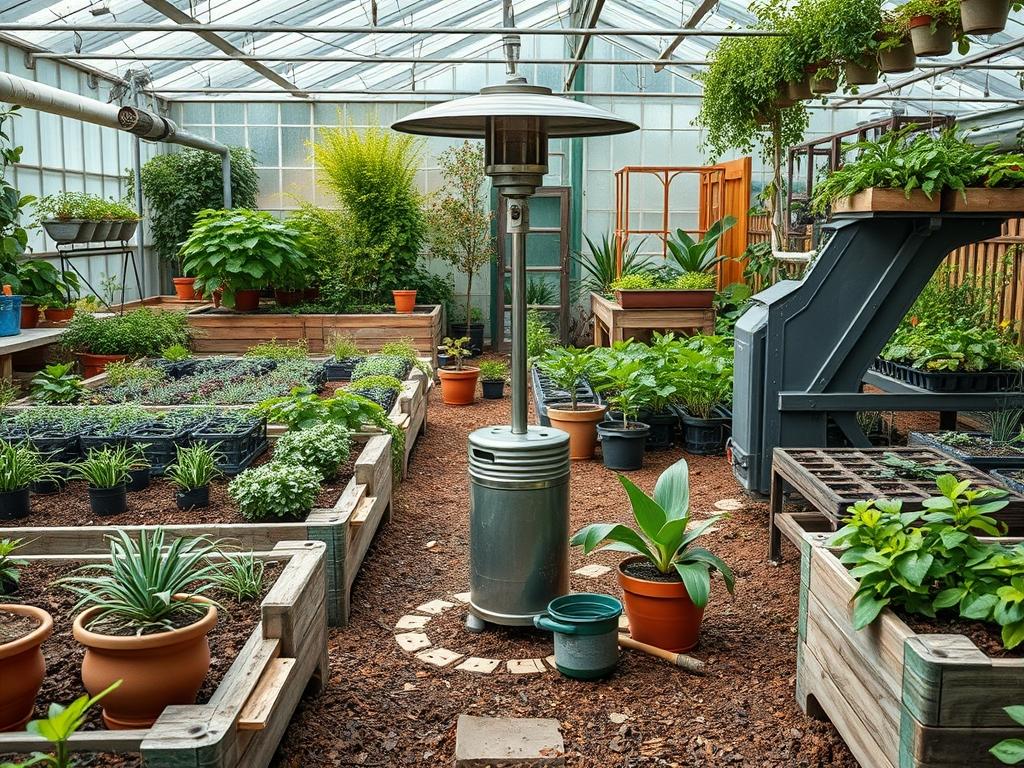
Expanding the functionality of a residential landscape requires a delicate balance between aesthetic appeal and structural logic. As a landscape architect, my primary objective is to transform a static backyard into a dynamic, all-season environment that reflects the homeowner’s lifestyle while ensuring rigorous safety standards. One of the most significant challenges in modern garden design is the integration of heating elements to combat seasonal temperature drops. Achieving optimal Backyard Patio Heater Safety is not merely a post-construction afterthought; it is a fundamental design requirement that influences material selection, spatial layout, and vegetation proximity. A well-designed outdoor space should feel like an extension of the interior, utilizing transition zones and sightlines to create a cohesive atmosphere. When we introduce heat sources into this mix, we must consider the wind patterns, the flammable nature of certain building materials, and the clearance required for both heavy foot traffic and structural integrity. By prioritizing a “safety-first” design philosophy, we can create a sophisticated retreat that remains functional long after the summer sun has set.
Landscape Design Principles
Successful landscape architecture relies on the foundational concepts of symmetry and focal points to guide the eye and define the space. When planning for a patio heater, the unit often becomes a secondary focal point or a functional anchor for a seating area. To maintain visual balance, designers often use the Rule of Thirds to place furniture and heating units in a way that feels organic rather than cluttered. Elevation layers play a critical role here as well. By using retaining walls or raised garden beds, we can create sunken fire pits or protected nooks that shield heaters from sudden gusts of wind. This layered approach not only adds depth to the yard but also provides a natural barrier between heat sources and delicate foliage.
Irrigation planning must be integrated into the initial design phase to prevent water from interfering with electrical or gas-powered heating components. We typically implement a drip irrigation system that delivers water directly to the root zone of plants, keeping the surface levels of the hardscape dry and safe for heavy equipment. Walkways should be designed with a minimum width of 36 inches to allow for comfortable movement around a standing heater. If the heater is a permanent fixture, we often incorporate a stone pedestal or a concrete pad to ensure a perfectly level surface. Visual balance is achieved by mirroring the height of a propane tower heater with vertical elements like columnar evergreens or architectural lighting, ensuring the heater does not look like an abandoned appliance in the center of the patio.
Plant and Material Selection
Selecting the right foliage and hardscaping materials is essential for maintaining a safe distance from heat sources while promoting a lush environment. We prefer using fire-resistant plants near active zones and durable stones for the base.
| Plant Type | Sun Exposure | Soil Needs | Water Demand | Growth Speed | Maintenance Level |
| :— | :— | :— | :— | :— | :— |
| Lavender (Lavandula) | Full Sun | Well-drained/Sandy | Low | Fast | Low |
| Boxwood (Buxus) | Full to Part Sun | Loamy/Well-drained | Moderate | Slow | Low |
| Switchgrass (Panicum) | Full Sun | Varied/Clay tolerant | Moderate | Fast | Low |
| Japanese Maple | Part Shade | Rich/Acidic | Moderate | Slow | Moderate |
| Stonecrop (Sedum) | Full Sun | Poor/Sandy | Very Low | Fast | Very Low |
| Red Yucca (Hesperaloe) | Full Sun | Dry/Gravelly | Low | Moderate | Low |
For hardscaping, we recommend non-combustible materials such as natural flagstone, slate, or interlocking concrete pavers. Avoid using wood mulch or pine straw directly under or within 3 feet of a portable heater. Instead, utilize river rock, lava rock, or pea gravel in these high-heat zones to minimize fire risks.
Implementation Strategy
The implementation of a safe backyard layout begins with professional grading. The land must be sloped at a 2 percent grade away from the home and the main patio area to ensure proper drainage. Once the ground is leveled, we lay down a heavy-duty landscape fabric to suppress weeds and stabilize the soil. For clients integrating permanent gas heaters, this is the stage where we perform trenching for gas lines, ensuring they are buried at least 18 inches deep according to local building codes.
After the utilities are set, we focus on edging. Using steel edging or poured concrete curbs helps define the boundaries between the lawn and the heater-safe hardscape. When laying mulch, we ensure a depth of no more than 3 inches, and we always leave a significant gap around the base of any heating unit. Hardscaping should be installed with a “stable base” philosophy, utilizing a compacted layer of crushed stone and bedding sand to prevent the shifting of heavy patio heaters. If you are using a portable unit, always test the stability of the surface by checking for wobbles before ignition. Ensure that any overhead structures, such as a canvas awning or a vinyl gazebo, have at least a 6-foot vertical clearance from the top of the heater.
Common Landscaping Failures
One of the most frequent errors in garden planning is failing to account for plant growth over time. A shrub that is safe today may grow into the “heat zone” of a patio heater within two seasons, creating a fire hazard. Root overcrowding is another issue; when trees are planted too close to a retaining wall or patio edge, their roots can heave the stones, creating an uneven surface that makes a heater prone to tipping.
Drainage mistakes can be equally catastrophic. If water pools around the base of a heater, it can corrode the metal or damage the ignition system. Furthermore, soil compaction from heavy foot traffic around a heat source can suffocate the roots of nearby native plants, leading to unsightly dead zones. Irrigation inefficiencies, such as misaligned sprinkler heads that spray water directly onto a hot glass tube or heating element, can cause the material to shatter or malfunction. Avoiding these failures requires a proactive approach to spatial planning and regular audits of the landscape’s physical condition.
Seasonal Maintenance
Landscape management changes with the calendar. In the spring, focus on inspecting your hardscape for any shifting that occurred during the winter freeze seeds. This is the time to clean the burners on your heaters and check for any debris, like bird nests or spider webs, that may have accumulated in the vents. During the summer, maintain a strict pruning schedule to ensure that no branches are encroaching on the heater’s safety radius. Ensure your irrigation timers are adjusted for the heat to keep the surrounding vegetation hydrated and less flammable.
As autumn arrives, clear away fallen leaves and dry brush immediately. These materials are highly combustible and should never be allowed to collect near the base of a heater. In the winter, if you are not using your heaters, store them in a dry location or use a heavy-duty uv-resistant cover. If you continue to use them during the cold months, ensure you are clearing snow and ice from the patio surface to maintain a slip-free environment. Always check the fuel lines or electrical cords for cracks caused by extreme temperature fluctuations.
Professional Landscaping FAQ
What is the safest surface for a patio heater?
The safest surface is a level, non-combustible material such as concrete, stone, or brick. Avoid placing heaters on composite decking or wood without a fire-resistant mat or a dedicated stone plinth for added protection.
How far should plants be from a heat source?
Maintain a minimum distance of 3 feet horizontally and 6 feet vertically from all vegetation. For fast-growing species like ornamental grasses, increase this distance to prevent dry blades from blowing into the burner or heating element.
Can I use a patio heater under a pergola?
Only if the pergola provides at least 6 feet of vertical clearance from the heater’s top. For wooden pergolas, ensure the area is well-ventilated and consider using an infrared heater instead of a direct-flame propane unit.
Does mulch pose a fire risk near heaters?
Yes, organic wood mulch can ignite from stray sparks or prolonged heat exposure. Use crushed gravel, river stones, or decorative pebbles within the immediate vicinity of the heater to create a fire-safe buffer zone in your garden.
How do I prevent my heater from tipping over?
Ensure the heater is placed on a professionally leveled surface. For added security, use sandbags in the base, or utilize anchor bolts to secure the unit directly into the concrete or stone if the heater is a permanent fixture.