
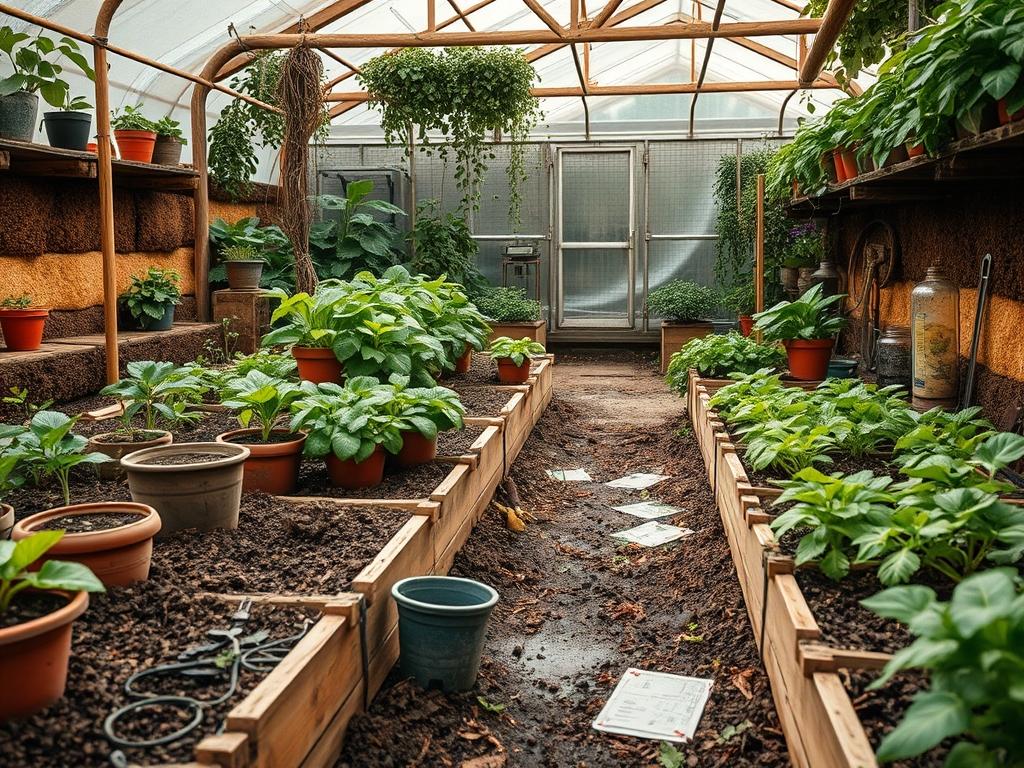
Integrating a subterranean structure like a root cellar into a residential landscape requires a balance of civil engineering and aesthetic sensitivity. While the primary goal of any root cellar is temperature regulation and humidity control, the visible portion of the structure often dictates the overall flow of the backyard. Many homeowners view these as purely utility zones; however, a well-designed cellar can serve as a naturalized elevation change that adds physical depth to a flat lot. Climate considerations are paramount in the early planning stages. You must account for the local frost line and water table heights before breaking ground. If designed poorly, a cellar becomes a soggy eyesore that ruins curb appeal and creates structural liabilities. If designed correctly, it integrates into the topography as a functional stone-faced or grass-mounded feature that enhances the outdoor living experience. Achieving the perfect Backyard Root Cellar Basics involves understanding soil mechanics as much as gardening, ensuring the structure stays cool in summer and frost-free in winter.
LANDSCAPE DESIGN PRINCIPLES
Successful landscape design for a root cellar relies on the principle of topographic transition. Because a cellar often requires at least 12 inches to 36 inches of soil coverage for insulation, it naturally creates a mound or a hillside effect. To make this look intentional, architects use symmetry and focal points. A central door made of reclaimed timber or heavy-duty steel can serve as a rustic focal point, framed by natural stone wing walls that hold back the earth. These walls should follow the natural contours of the land to avoid a jarring, boxy appearance.
Elevation layers provide an opportunity to introduce vertical interest into a normally flat backyard. By terracing the sides of the cellar mound with retaining walls, you create planting pockets that can house ornamental shrubs or herbs. This layering also assists with irrigation planning. Since the top of the cellar mound will naturally shed water faster than the base, your irrigation strategy must account for different moisture zones. Drip lines are usually preferred here to prevent soil erosion on the steep slopes of the cellar roof.
Walkways should lead logically to the cellar entrance, using materials that complement the rest of the garden’s hardscaping. Crushed granite, flagstone, or permeable pavers work well because they allow for water percolation while providing a stable surface for hauling heavy crates of produce. Visual balance is achieved by mirroring the height of the cellar mound with other tall elements in the garden, such as a pergola or a cluster of specimen trees, to ensure the new structure does not dominate the skyline of the yard.
PLANT AND MATERIAL SELECTION
Choosing the right materials is the difference between a cellar that lasts decades and one that fails after the first heavy rain. The plants used on the exterior must stabilize the soil without sending aggressive roots through the waterproofing membrane.
| Plant Type | Sun Exposure | Soil Needs | Water Demand | Growth Speed | Maintenance Level |
| :— | :— | :— | :— | :— | :— |
| Creeping Thyme | Full Sun | Well-Drained | Low | Moderate | Low |
| Blue Star Creeper | Partial Shade | Moist/Loamy | Moderate | Fast | Medium |
| Stonecrop Sedum | Full Sun | Sandy/Rocky | Very Low | Moderate | Very Low |
| Native Fescue | Full/Partial | Diverse | Low | Slow | Low |
| Wintercreeper | Full/Shade | Adaptive | Moderate | Aggressive | Moderate |
| Dwarf Boxwood | Full/Partial | Well-Drained | Low | Slow | High |
For structural materials, reinforced concrete is the gold standard for cellar walls due to its compressive strength and thermal mass. However, many designers utilize cinder blocks with rebar reinforcement for smaller residential projects. To prevent moisture ingress, apply a rubberized asphalt or polyethylene membrane to the exterior walls before backfilling.
IMPLEMENTATION STRATEGY
The first step in backyard layout planning is conducting a site analysis to identify utility lines and drainage patterns. Once the site is cleared, excavation begins. For a standard root cellar, an excavation depth of 8 feet is often necessary to reach the stable Earth temperatures found below the frost line. The floor should sit on a base of 6 inches of compacted pea gravel to facilitate drainage and provide a level surface for the footings.
As the walls are erected, you must integrate the ventilation system. A dual-pipe system is essential for Backyard Root Cellar Basics. This includes a low-level intake pipe to bring in cool air and a high-level exhaust pipe to let out warm air and gasses. Use 4-inch PVC or galvanized steel for these vents, ensuring they are capped with fine mesh to prevent rodents from entering.
Grading is the next critical phase. The soil above the cellar must be sloped at a minimum of 2 percent away from the entrance to prevent water from pooling at the door. If the cellar is built into a natural hill, a diversion swale should be dug upslope to redirect runoff around the structure. Finally, apply a layer of geotextile fabric over the waterproofing membrane before adding the final levels of soil and 3 inches of hardwood mulch to prevent erosion during the initial planting phase.
COMMON LANDSCAPING FAILURES
The most frequent failure in root cellar design is poor drainage management. When water is allowed to accumulate against the walls, hydrostatic pressure can cause cracks or even structural collapse. Many DIY builders forget to install a French drain or perforated drain tile at the base of the footings, leading to a flooded interior during spring thaws.
Root overcrowding is another significant issue. Planting large trees like Oaks or Maples near the cellar is a recipe for disaster; their powerful roots can penetrate even the strongest concrete over time. Improper spacing of smaller plants can also lead to air circulation problems around the vents. If the vegetation grows too thick, it blocks the intake and exhaust pipes, causing the cellar to become stagnant and moldy.
Soil compaction is often overlooked during the construction process. If the backfill is compacted too tightly with heavy machinery, it loses its insulating properties. Conversely, if it is not compacted enough, it will settle over time, creating low spots that trap water. Finally, irrigation inefficiencies, such as pointing sprinkler heads directly at the cellar door or vents, will cause localized rot and moisture spikes that ruin stored crops.
SEASONAL MAINTENANCE
Spring maintenance involves inspecting the exterior for signs of frost heave or soil shifting. Check the retaining walls for any movement and clear out any debris from the drainage swales. This is also the time to prune any ground covers that might be encroaching on the ventilation pipes.
During the summer, the focus shifts to moisture management. If the weather is particularly dry, the soil on the cellar mound may crack, allowing heat to penetrate deeper. Lightly water the sod or ground cover to maintain soil integrity, but do not oversaturate. Ensure that the mulch layers are still deep enough to protect the roots of your stabilizing plants.
Autumn is the most active season for a root cellar. Before stocking the harvest, clear all intake and exhaust vents of falling leaves or spider webs. Check the seals on the insulated door and replace any worn weatherstripping. This is also the best time to add a fresh layer of organic compost to the planting beds on the cellar mound to prepare them for the winter dormancy.
Winter maintenance is largely about accessibility. Keep the path to the cellar clear of snow and ice using a plastic shovel to avoid damaging stone steps. Monitor the interior temperature and adjust the vent covers if the outside air becomes dangerously cold. If you live in an area with heavy snowfall, ensure that the exhaust vent remains clear of drifts to allow the cellar to breathe.
PROFESSIONAL LANDSCAPING FAQ
How deep should a root cellar be buried?
To utilize the Earth’s constant temperature, the floor should be at least 10 feet deep, or the roof covered by 3 feet of soil. This ensures the interior remains between 32 and 40 degrees Fahrenheit throughout the year.
What is the best way to prevent water seepage?
Combine a bentonite clay or rubber membrane on the exterior walls with a perforated pipe drainage system at the base. Always grade the surface soil away from the cellar at a significant slope to minimize the water load.
Can I plant a vegetable garden on top of the cellar?
Yes, but use shallow-rooted crops like lettuce, radishes, or herbs. Avoid deep-rooted perennials or large shrubs that could interfere with the structural waterproofing or cause soil weight issues. Raised beds are a safer alternative for heavy producers.
Which direction should the cellar door face?
In the northern hemisphere, a north-facing door is ideal because it minimizes sun exposure and heat gain. If a north-facing entrance is impossible, use an entry vestibule or heavy shading from a pergola to keep the doorway cool.
What materials are best for the cellar shelves?
Use rot-resistant woods like Cedar or Redwood, or opt for stainless steel racking. Avoid pressurized lumber treated with toxic chemicals, as the high humidity in the cellar can cause these chemicals to off-gas into your stored food.